Skardu travel guide: Pakistan’s gateway to the Karakoram
Skardu is the capital of Baltistan and the single most important hub for adventure travel in Pakistan. Situated at 2,500 m above sea level in the upper Indus Valley, surrounded by some of the greatest mountains on Earth, Skardu is the starting point for expeditions to K2, Broad Peak, the Gasherbrums, and the Baltoro Glacier — and a destination of extraordinary beauty and cultural richness in its own right. The short version behind this Skardu travel guide: the town sits at an average of nearly 2,500 metres where the Shigar valley meets the Indus, and the Skardu entry carries the administrative detail.
Every trek and tour in Karakoram Venture’s portfolio that ventures into Gilgit-Baltistan passes through Skardu. This guide covers everything you need to know before you arrive.
How to Get to Skardu
By air: Pakistan International Airlines (PIA) and Serene Air operate regular flights from Islamabad to Skardu. The flight takes approximately 1 hour and 10 minutes and is one of the most spectacular commercial flights in the world — you fly alongside Nanga Parbat (8,126 m) with the Indus Valley stretching below. Flights are weather-dependent and frequently cancelled during poor visibility. Always book refundable tickets and build an extra day into your itinerary for potential cancellation. All our packages include domestic flights.
By road: The Karakoram Highway (KKH) connects Islamabad to Skardu in approximately 18 to 22 hours via Besham, Chilas, and Gilgit, or 15 to 18 hours via the Babusar Pass route (summer only). The road journey, while long, is spectacular and gives a gradual sense of entering the mountains.
What to See in Skardu
Kharpocho Fort: The “King of Forts” perches dramatically above the confluence of the Shigar and Indus Rivers. Built in the 16th century by Ali Sher Khan Anchan, this fort commands panoramic views of the entire Skardu Valley and the surrounding Karakoram peaks. The sunset view from the fort’s upper ramparts is one of the most memorable in Pakistan.
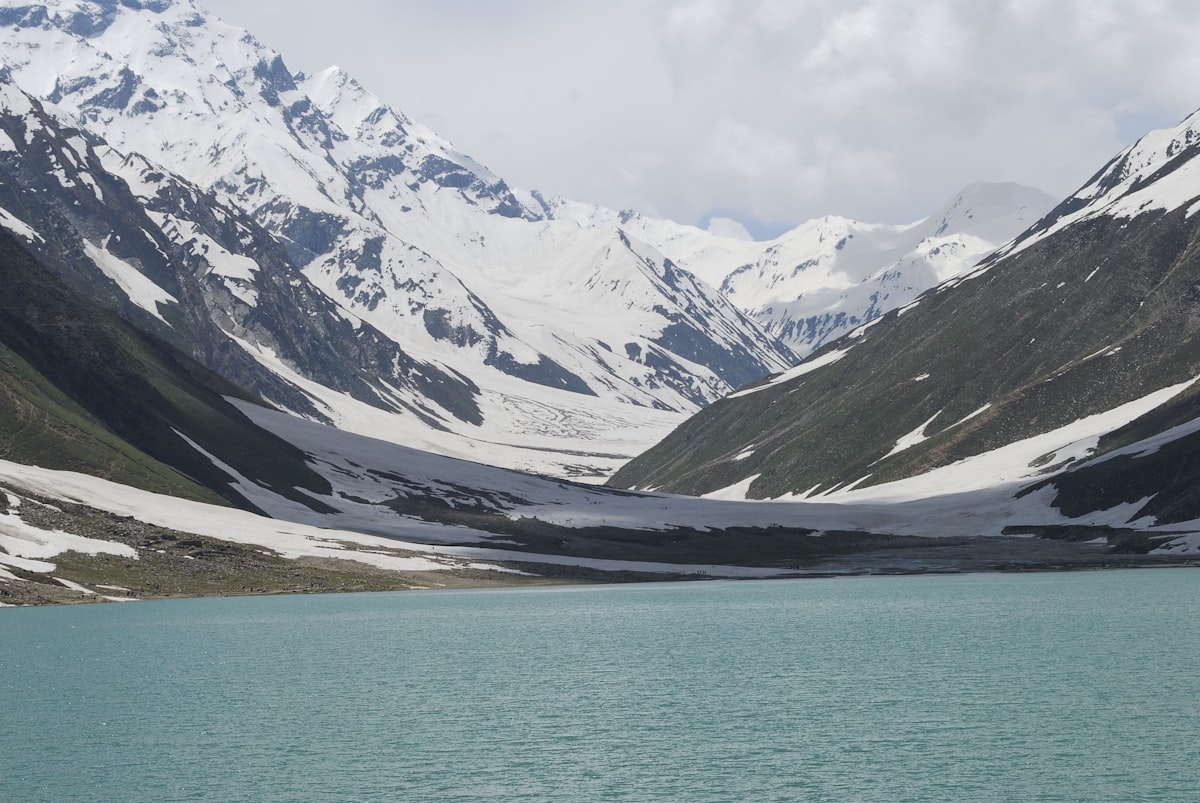
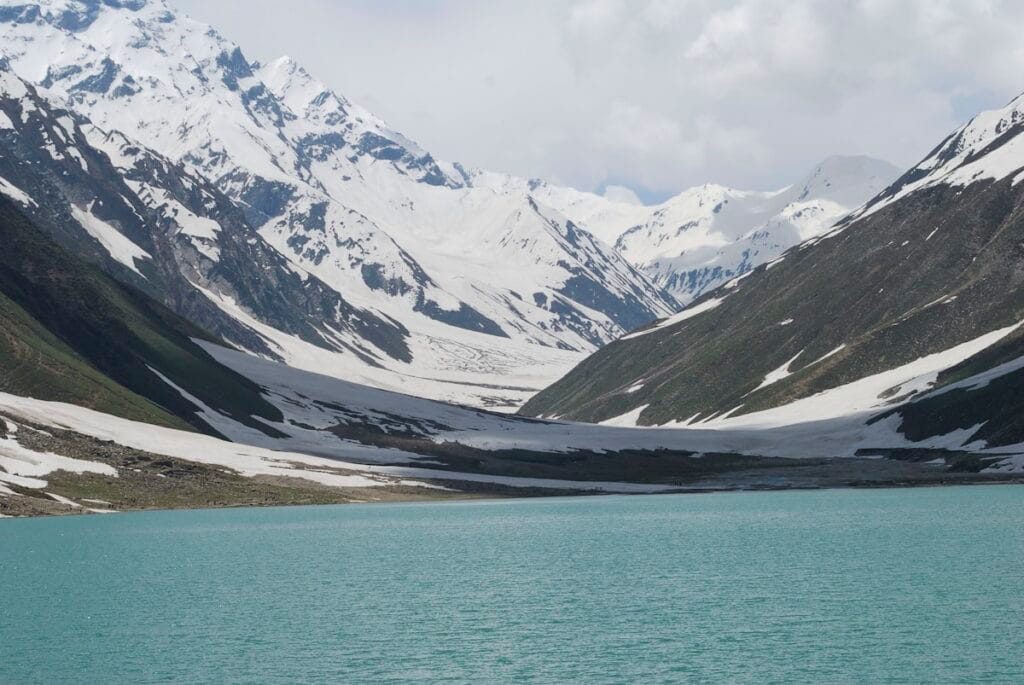
Satpara Lake: A brilliantly blue glacial lake just 10km south of Skardu. The lake reflects the surrounding mountains and serves as Skardu’s primary water supply. Boat rides are available and the lakeside area is a peaceful spot for photography and picnics.
Shigar Fort Heritage Hotel: A 400-year-old royal palace beautifully restored by the Aga Khan Cultural Service into a heritage hotel. Even if you are not staying here, the fort and its surrounding apricot orchards (spectacular during the blossom season) are worth a visit.
Deosai National Park: Just 30km from Skardu, Deosai is the world’s second-highest plateau at 4,114 m — a vast alpine wilderness of wildflowers, glacial streams, and Himalayan brown bears. Accessible June to September and included in our Baltistan Cultural Tour.
Upper Kachura Lake: Hidden above the main Skardu valley road, this vivid turquoise lake is one of the most beautiful and accessible spots near the city. The Shangrila Resort at the lake’s edge is a popular landmark.
Best Time to Visit
Spring (March–April): Cherry and apricot blossom season. See our Skardu Cherry Blossom Tour. Summer (June–September): Trekking season — Deosai is open, all mountain trails are accessible. Autumn (October–November): Golden foliage across the Shigar and Khaplu valleys. See our Skardu Autumn Tour. Winter: Very cold but dramatic — Kharpocho Fort against snow-covered mountains is extraordinary.
Browse all our Skardu-based packages or contact us to plan your visit.