



Four of the world’s fourteen 8,000-metre peaks stand within sight of one another at the head of the Baltoro Glacier: K2 (8,611 m), Broad Peak (8,051 m), and the Gasherbrums I and II (8,080 m and 8,035 m). The 2026 climbing season is open now — the weather window on these mountains runs roughly late June through August, and the teams are already walking in from Askole.
This is the heart of the Karakoram, the densest concentration of high peaks anywhere on Earth. If you are planning an expedition this year, here is the honest picture of what the season looks like, how you get in, and what these mountains actually demand — from a Skardu team that handles logistics on the Baltoro every summer.
Key Takeaways
- The peaks: K2 (8,611 m), Broad Peak (8,051 m), Gasherbrum I / Hidden Peak (8,080 m), Gasherbrum II (8,035 m) — all above the Baltoro.
- Season: Expeditions run roughly June to August; the stable summit window is usually mid-July, with acclimatisation rotations through late June and early July.
- The approach: Skardu → Askole by 4×4 jeep (~7–9 hours), then a multi-day trek up the Baltoro to Concordia (~4,600 m) and the base camps.
- Permits: These are restricted-zone peaks — you need a climbing royalty/permit, a liaison officer, and a Trekking & Mountaineering visa, not a standard tourist visa.
- Difficulty: Gasherbrum II is the most approachable 8000er here; K2 is among the hardest and most dangerous mountains on the planet. None of them are casual.
The 8000ers of the Baltoro
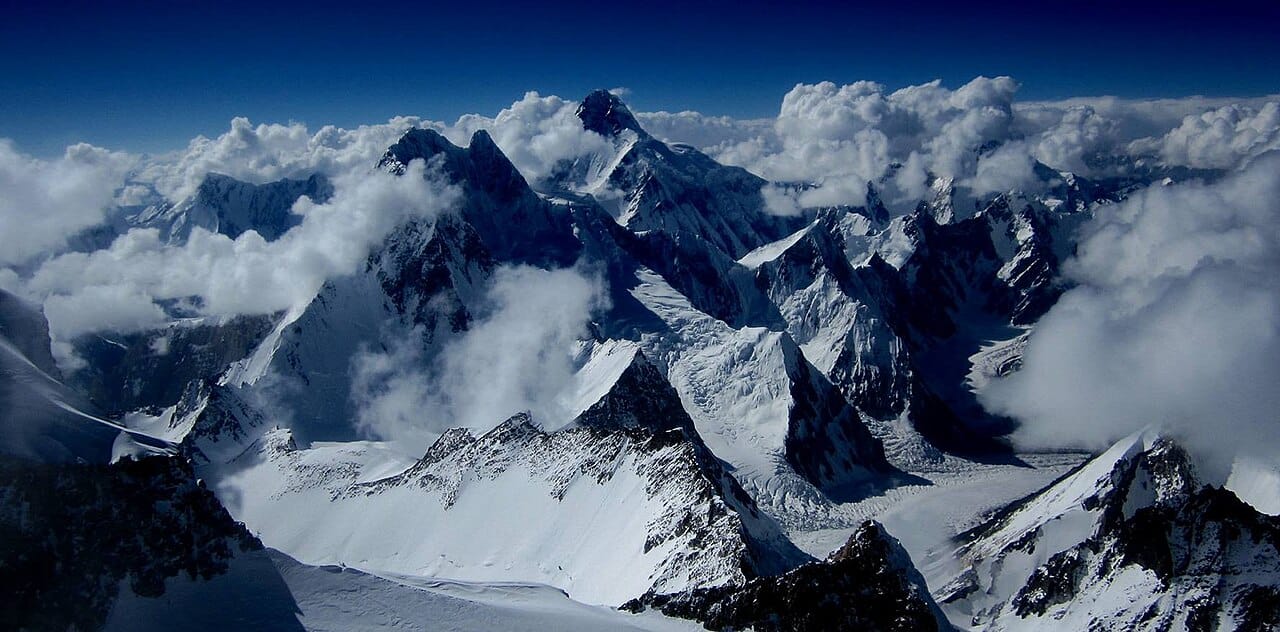
Walk to Concordia, the junction where the Baltoro and Godwin-Austen glaciers meet, and you stand in what early explorers called the Throne Room of the Mountain Gods. K2 fills the northern sky. Broad Peak sits a short distance east, and behind it the Gasherbrum group — including Gasherbrum I (Hidden Peak) and Gasherbrum II — rises along the Chinese border. No other place on Earth puts four eight-thousanders this close together.
Each peak draws a different climber. Gasherbrum II (8,035 m) is widely regarded as one of the more attainable 8000ers and is often a climber’s first. Broad Peak (8,051 m) is a serious objective with a long, deceptive summit ridge. Gasherbrum I (8,080 m), the Hidden Peak, is more technical and remote. And K2 (8,611 m) — the second-highest mountain on Earth — is in a league of its own, with a fatality history that demands genuine experience.
The 2026 season window
The Karakoram has a short, sharp climbing season. The jeep road to Askole opens properly once the spring snow gives, base camps are established through June, and most teams use late June and early July for acclimatisation rotations between camps. The summit window usually lands in mid-to-late July, when the weather is most settled, though strong teams summit into early August. By September the season is closing.
For 2026 specifically, expeditions on Gasherbrum II are already getting underway, and fixed K2 departures run through the second half of summer. If you want a place on a 2026 expedition, this is the moment to lock logistics — permits and liaison-officer arrangements take time. Message us for current dates and availability rather than relying on last year’s calendar.
Getting in: Skardu to base camp
Every Baltoro expedition starts in Skardu (~2,500 m), reached by a short flight from Islamabad or the long overland drive. From Skardu it’s a rough 4×4 jeep to Askole (roughly 7–9 hours on a genuinely rough track), the last village before the wilderness. From there you walk — days up the Baltoro Glacier, a 63-kilometre river of ice, past Paiju and Urdukas to Concordia, then on to the individual base camps. Our Baltoro Glacier guide covers the approach in detail, and the K2 Base Camp trek guide walks the same route up to K2 BC at around 5,150 m.
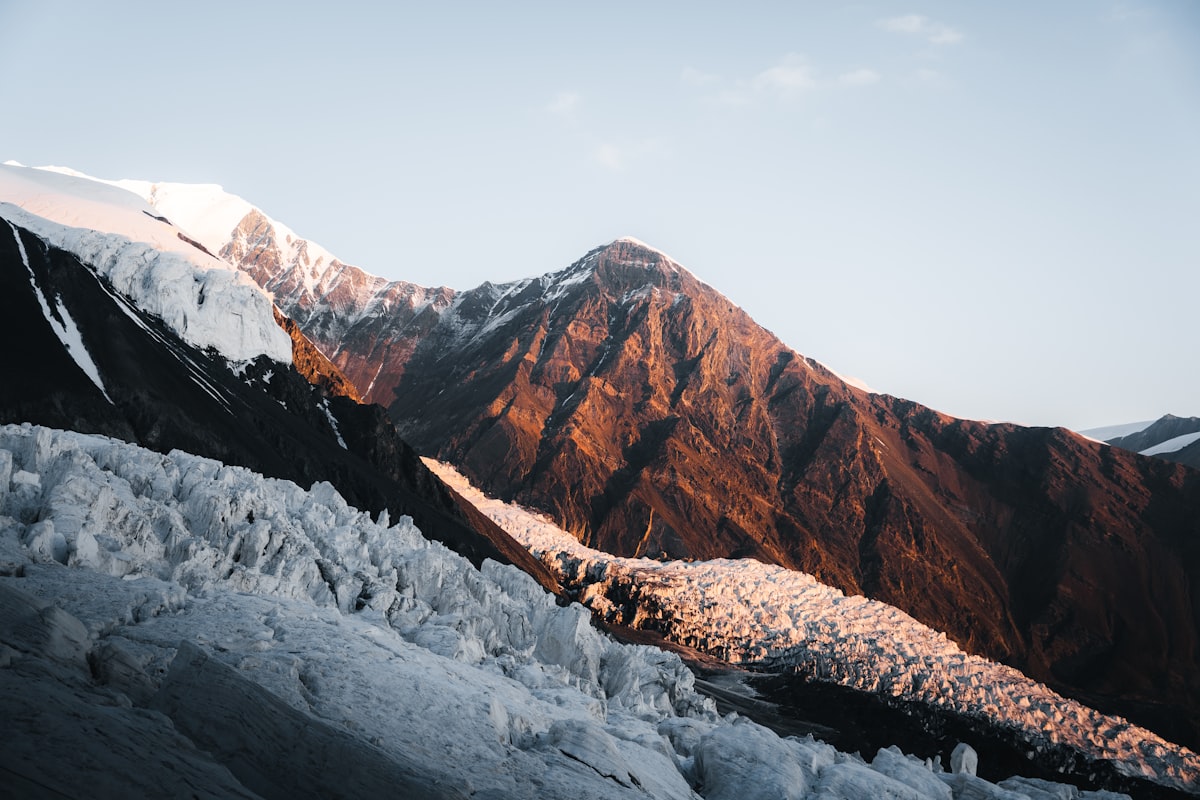
This walk-in is itself a major undertaking. Porters carry the loads, but the days are long, the glacier is broken and exposed, and you are already gaining altitude. Many climbers underestimate the approach and arrive at base camp tired. We don’t.
The four peaks, honestly
There is no easy 8,000-metre mountain. But there is a real spread of difficulty and risk across the Baltoro giants, and choosing the right one matters more than ego does.
| Peak | Height | World rank | Relative difficulty |
|---|---|---|---|
| Gasherbrum II | 8,035 m | 13th | Most approachable 8000er here |
| Broad Peak | 8,051 m | 12th | Serious; long summit ridge |
| Gasherbrum I (Hidden Peak) | 8,080 m | 11th | Technical and remote |
| K2 | 8,611 m | 2nd | Extreme; experts only |
If you are stepping up to your first 8000er, Gasherbrum II is the usual starting point, and a trek like Gondogoro La or K2 Base Camp is a sensible way to test yourself at altitude on the same glacier system first.
Acclimatisation and the real risk
Altitude is the variable that decides most expeditions, and it cannot be rushed. On these peaks you climb high and sleep low across repeated rotations over weeks — there is no shortcut. The thin air, the cold, and the objective hazards of the Baltoro (crevasses, séracs, sudden weather) are real, and pretending otherwise gets people hurt. Read our acclimatisation guide before you commit, and our Karakoram gear list for what the mountain demands.
An honest word on risk
These are among the most dangerous mountains in the world — K2 in particular. No operator can make an 8000er safe; we can only make it as well-supported as possible. That means a sat phone in camp, established helicopter-rescue contacts for the Baltoro region, proper oxygen and high-altitude support where required, and honest weather calls. If a window isn’t safe, we say so. A summit is never worth your life.
Permits, liaison officer and visa
K2, Broad Peak and the Gasherbrums sit in a restricted zone, so the paperwork is more involved than a standard trek. You’ll need a climbing permit and royalty paid to the Government of Pakistan, a liaison officer assigned to the expedition, and the correct Trekking & Mountaineering visa — distinct from the tourist e-Visa most travellers use. Rules, royalty figures and processing times change year to year, so confirm the current requirements with us early; our Pakistan visa guide is a starting point, not the last word.
Climbing the Baltoro 8000ers with Karakoram Venture
We are based in Skardu, and our guides and high-altitude staff come from the Balti communities that have lived under these mountains for generations — not a broker handing you to a stranger at the airport. Every expedition runs with a real safety system, our own logistics on the glacier, and a fair price that comes from local infrastructure rather than from cutting the things that keep you alive. Local hands, real safety, fair price. If you’re flying into Skardu to start, our Skardu travel guide covers the gateway.
Plan your 2026 Baltoro expedition with a local team
We run K2, Broad Peak and Gasherbrum expeditions and base-camp service through the 2026 season, with local Balti guides, full high-altitude support and a real rescue plan. Tell us your peak, dates and team size and we’ll send a tailored plan and a fair quote.
Planning your trip? WhatsApp us on +92 312 9921574 or email info@karakoramventure.com — you’ll be talking to a local Balti team, not a broker.
Concordia is where all four of these mountains line up. The walk in from Askole, what the junction looks like standing on the ice, and when to be there is covered in our Concordia trek guide.
Frequently asked questions
When is the climbing season for K2 and the Baltoro 8000ers?
Roughly June to August. Base camps are established through June, acclimatisation rotations run late June into early July, and the most stable summit window is usually mid-to-late July, occasionally into early August. The season closes by September.
Which Baltoro 8000er is the easiest to climb?
Gasherbrum II (8,035 m) is widely considered the most approachable eight-thousander in the group and is a common first 8000er. “Easiest” is relative — it is still a serious, high-risk mountain that demands experience and proper acclimatisation.
How do you get to the base camps?
Fly or drive to Skardu, take a 4×4 jeep to Askole (about 7–9 hours), then trek several days up the Baltoro Glacier to Concordia (~4,600 m) and on to the individual base camps. Porters carry expedition loads, but the walk-in is long and demanding.
What permits and visa do I need?
These restricted-zone peaks require a climbing permit and royalty paid to the Government of Pakistan, an assigned liaison officer, and a Trekking & Mountaineering visa rather than a tourist visa. Requirements and fees change, so confirm the current rules with your operator well before you travel.
How much does a Baltoro expedition cost?
It varies widely by peak, service level (full-board versus base-camp service), oxygen, and team size. Because pricing changes with permits and logistics each season, WhatsApp us for current dates and a quote tailored to your expedition.
Climb GII with us. Our 42-day Gasherbrum II Expedition runs the normal route from the Gasherbrum base camp — peak royalty and permits, liaison officer, one high-altitude porter per climber above BC, oxygen, high camps and fixed rope. Full-board $15,400pp, base-camp service $6,900, minimum team of four. Prior 6,500m experience and a climbing CV required; we do not sell summits.
Written by the Karakoram Venture guide team — local Balti guides based in Skardu. Mountain heights and details cross-checked against public references including Wikipedia’s Broad Peak, Gasherbrum II and K2 entries. Always confirm current visa and permit rules via the official Pakistan online visa portal and your operator before booking.

[…] a fair price. If you are weighing routes, our overview of the best treks in Pakistan and the Baltoro climbing season both put the Trangos in […]