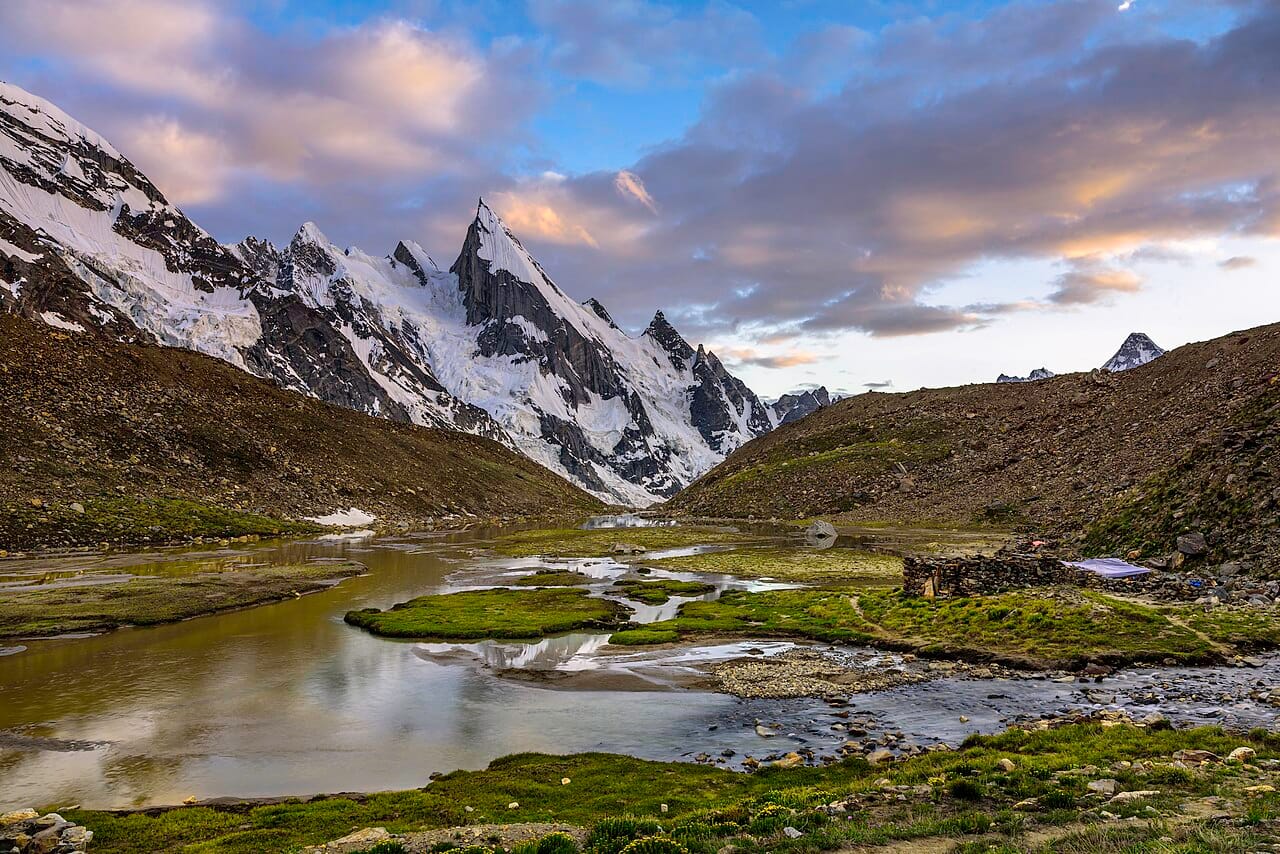
Laila Peak is a 6,096-metre spear of granite and ice above the Hushe Valley in Gilgit-Baltistan — one of the most photographed spires in the Karakoram. Two things matter before you plan a trip in this June–September window: the trek to Laila Peak Base Camp (around 4,535 m) is within reach of fit, well-acclimatised walkers, while the climb itself is a serious, restricted-zone mountaineering objective — not a trekking peak. This guide sorts out which one is for you, honestly.
Key Takeaways
- The peak: Laila Peak, ~6,096 m (a 2003 Japanese survey figure; older maps quote more), Hushe Valley, beside the Gondogoro Glacier.
- Base camp trek: to roughly 4,535 m — achievable for fit, acclimatised trekkers. No ropework.
- The climb: a sustained 45° face over 1,500+ vertical metres. Technical, committing, for experienced mountaineers only.
- Best season: mid-June to September. Earlier holds heavy snow up high; later the weather closes in.
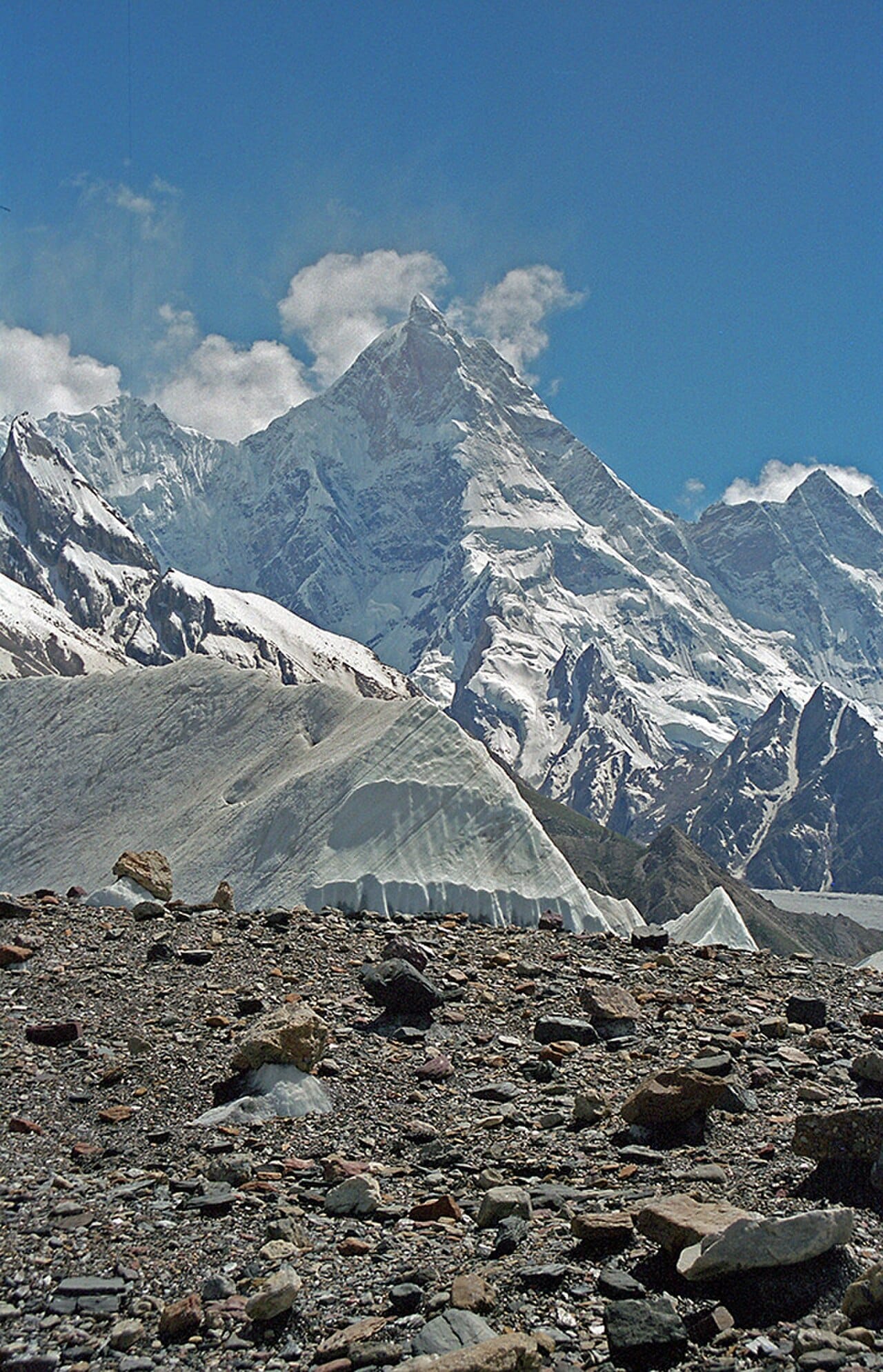
- The view: Masherbrum (7,821 m) dominates the skyline; the Gondogoro La (5,585 m) links Hushe to the K2 side.
- Permits: Laila Peak sits in a restricted zone — foreign climbers need a permit, a licensed guide, and accident insurance for the whole party.
Where Laila Peak sits — and why Hushe matters
Hushe is the last village at the head of the Hushe Valley, the Balti settlement at the doorway to the Gondogoro Glacier, Masherbrum, K6 and K7. If you have read anything about Karakoram expeditions, you have read about Hushe whether you knew it or not — this small valley has produced generations of the high-altitude porters and climbers who carry loads to K2 and Broad Peak base camps every summer. The people guiding you up the moraine grew up looking at these peaks from their own fields.
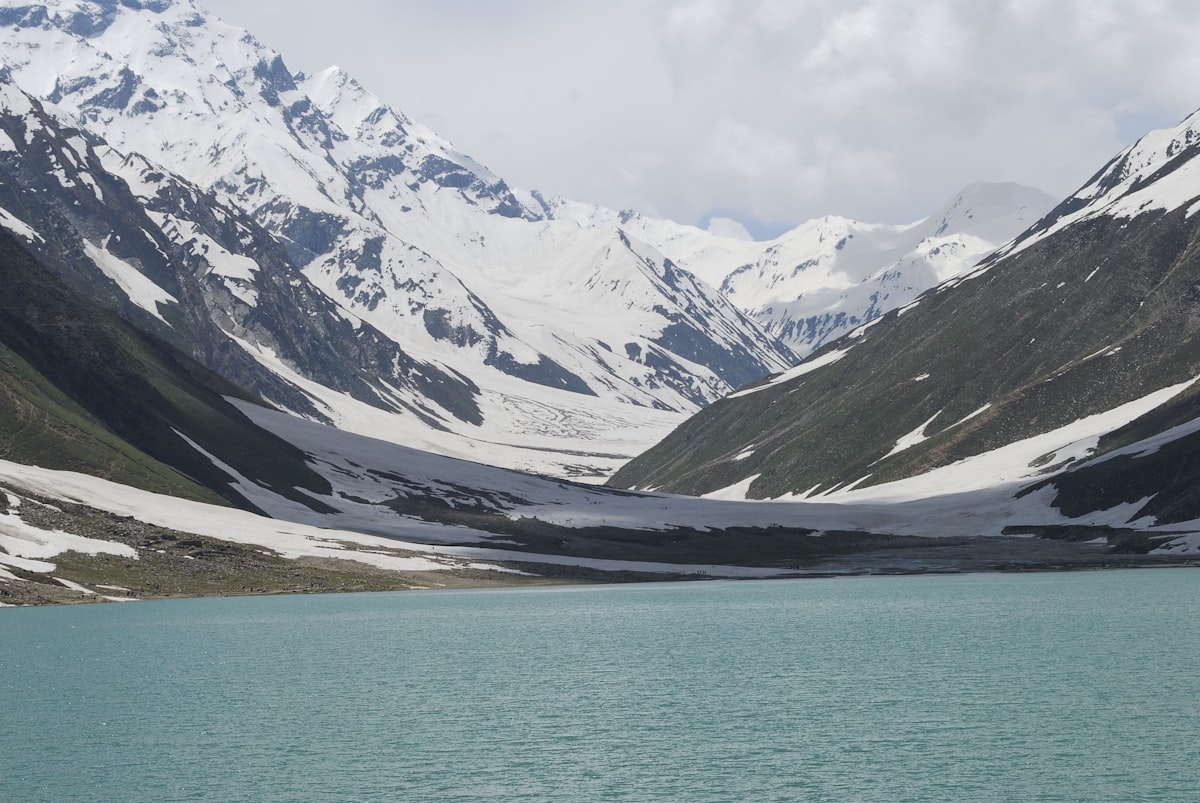
From Skardu, the drive to Hushe runs roughly 7–8 hours by 4×4 through Khaplu and up the valley on rough mountain track. From the village, the walk to base camp follows the flank of the Gondogoro Glacier, with Masherbrum filling the skyline behind you. Base camp at about 4,535 m is reached in a few hours of walking once you are past the village — close enough that strong trekkers reach it as part of a wider Hushe itinerary, far enough that altitude is real and acclimatisation is non-negotiable. Read our acclimatisation guide before any trek above 3,000 m.
The trek vs. the climb — be honest with yourself
These are two completely different trips. Pick the right one before you book.
| Base Camp trek | The climb | |
|---|---|---|
| Goal | Stand beneath the spire (~4,535 m) | Summit, ~6,096 m |
| Skills | Fitness, sound acclimatisation | Mixed rock & ice, crevasse travel, altitude experience |
| Terrain | Glacial moraine, no ropes | Sustained 45° face, 1,500+ m |
| Who it’s for | Fit trekkers & photographers | Experienced alpinists only |
Laila Peak Base Camp trek
If your goal is to stand beneath the spire, photograph it in dawn light and walk a genuine Karakoram glacier valley without technical climbing, the base camp trek is the answer. It is moderate-to-hard: glacial moraine, cold nights, thin air at 4,500 m, and weather that turns fast. No ropework, no fixed lines — but real mountain travel that rewards fitness and proper layering. Many trekkers combine it with the Hushe Valley’s other approaches, and strong, experienced parties continue toward the Gondogoro La (5,585 m), the high pass that connects Hushe to the Baltoro and Concordia on the K2 side.
Laila Peak climb
The summit is another category entirely. The northwest face is a sustained slope steepening past 45 degrees over more than 1,500 vertical metres — committing snow and ice at altitude, with crevasse hazard on the approach glacier. We will not soften it to make a sale: this is serious ground. Rockfall and avalanche on the face are real, and the mountain has taken experienced mountaineers. It demands mixed rock-and-ice skill, fitness for sustained steep climbing, and prior high-altitude experience, run with fixed logistics, a proper rescue plan and a sat phone in camp. If you are newer to the range, the base camp trek is the honest, satisfying choice — and a smart way to test yourself first.
When to go
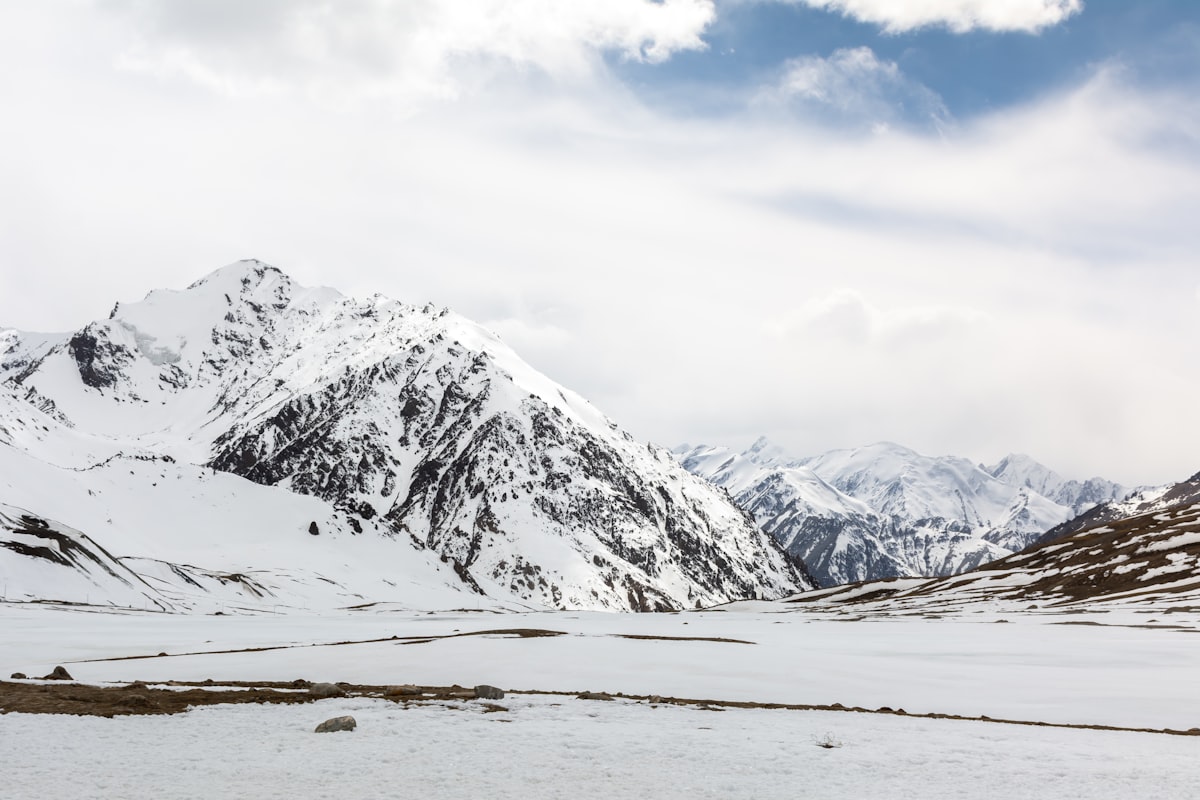
The Hushe high country runs on the same calendar as the rest of the Karakoram: roughly April–October, with the dependable window from mid-June through September. Earlier than that and the upper glacier and the slopes toward Gondogoro La hold heavy snow; later, the weather closes in. June and July give long days and the cleanest views of the spire; the trade-off is more snow underfoot up high. Right now, in the heart of the season, conditions are about as good as the valley offers — which is exactly why this is the time to plan.
Permits, visa and the restricted zone
Reaching Skardu is the easy part: daily flights connect Islamabad to Skardu (fast but weather-dependent), or you travel overland with buffer days built in. From Skardu, the rest is ours to arrange — see our Skardu travel guide and the Pakistan visa guide for trekkers.
Why go with a local Balti team
This is the part we care about most. Hushe is not a place we send clients to and hand off to a third party — it is home ground for the kind of Balti guides and porters Karakoram Venture works with directly. People who read this glacier by instinct, who know which season the upper slopes are loaded, and whose families have run these valleys for generations. Because the law requires a licensed guide here anyway, the only question is whether you get a real one. Pair that with a proper safety setup — a sat phone on the mountain, established helicopter-rescue contacts for the region, insurance guidance — and a fair price that comes from running our own logistics rather than marking up someone else’s. Local hands, real safety, fair price. Pack right, too: our Karakoram packing list covers it.
Plan your Laila Peak trip with a local team
Whether you want the base camp trek beneath the spire or a fully supported climb, we run it with local Balti guides, the right permits, and a real safety plan. Tell us your dates and group size and we’ll send a tailored plan and a fair quote.
WhatsApp us “Laila” on +92 312 9921574, or email info@karakoramventure.com — you’ll be talking to a local Balti team who knows the Hushe Valley first-hand, not a broker passing you down the line.
Frequently asked questions
Can a fit hiker reach Laila Peak Base Camp without climbing experience?
Yes. The base camp trek (~4,535 m) needs good fitness, sound acclimatisation, and tolerance for cold and rough glacial ground, but no technical climbing skills. The summit is a different proposition entirely and requires real mountaineering experience.
How high is Laila Peak?
About 6,096 m, the figure from a 2003 Japanese survey map; older sources quote more, up to ~6,200 m. Base camp sits at roughly 4,535 m beside the Gondogoro Glacier, with Masherbrum (7,821 m) dominating the view.
Do I need a permit to climb Laila Peak?
Yes. Laila Peak is in a restricted zone, so foreign climbers must hold a peak permit, travel with a licensed guide, and carry accident insurance for the whole party. Trekking routes in the area may also need an NOC. Confirm current rules with your operator before booking.
What is the best time to go?
Mid-June through September is the reliable window. Earlier holds heavy snow on the upper slopes; later the weather closes in.
How do I get to Hushe from Skardu?
By 4×4, roughly 7–8 hours through Khaplu and up the Hushe Valley on rough mountain road. Hushe village is the trailhead.
Can I combine it with the Gondogoro La or K2 side?
Yes — the Gondogoro La (5,585 m) links Hushe to the Baltoro and Concordia, so Laila and the K2 Base Camp circuit can be planned as one bigger crossing for strong, experienced trekkers.
Want to walk it? Our 13-day Laila Peak Base Camp Trek follows this exact route — Skardu through Khaplu to Hushe, then three walking days up the Gondogoro Glacier to the camp at about 4,535 m. Balti guides from Hushe itself, restricted-zone permits handled, fixed departures from $1,690 per person.
Written by the Karakoram Venture guide team — local Balti guides based in Skardu. Heights and route details cross-checked against public references including Wikipedia’s Laila Peak entry. Always confirm current visa and permit rules via the official Pakistan online visa portal. Images via Wikimedia Commons (CC BY-SA).