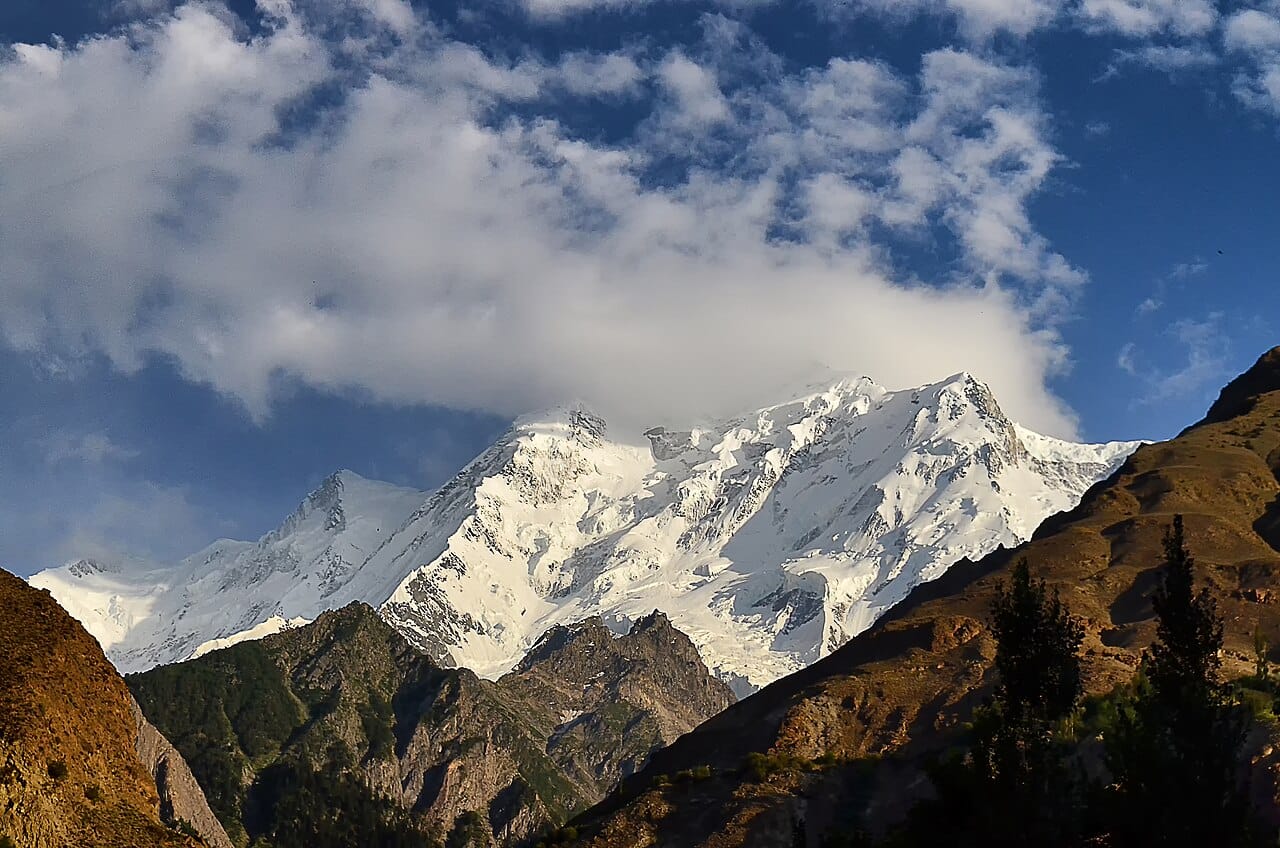
The Rakaposhi Base Camp trek is a 2–3 day walk from Minapin village in the Nagar Valley up to the green meadow of Tagaphari (around 3,300 m), face to face with Rakaposhi (7,788 m). It’s a moderate trek — no glacier crossings, no technical climbing — which makes it one of the finest short adventures in northern Pakistan for first-time Karakoram trekkers.
You wake under one of the most dramatic mountain walls on Earth, drink salty butter tea with a shepherd, and watch the light move across six thousand metres of ice. And you can do it in a long weekend. Here’s everything you need to plan it properly — the honest version, from a team that guides these valleys.
Key Takeaways
- The trek: Minapin (~2,000 m) → Hapakun (~2,800 m) → Tagaphari / Rakaposhi Base Camp (~3,300 m).
- Duration: 2–3 days return. Very fit hikers manage it as one long day (~8 hours), but staying a night is far better.
- Difficulty: Moderate. Steep forest sections, ~1,300 m of ascent, but no glacier travel or ropes.
- Best season: Mid-April to October; June–September is prime, with green meadows and clear mornings.
- The view: Rakaposhi (7,788 m) and Diran Peak (7,266 m) above the Minapin Glacier — plus the famous high-altitude “cricket ground” at base camp.
- Permits: Rakaposhi sits in an open trekking zone, so it generally needs no special NOC — but you’ll need a valid Pakistan visa.
Where is Rakaposhi, and why trek here?
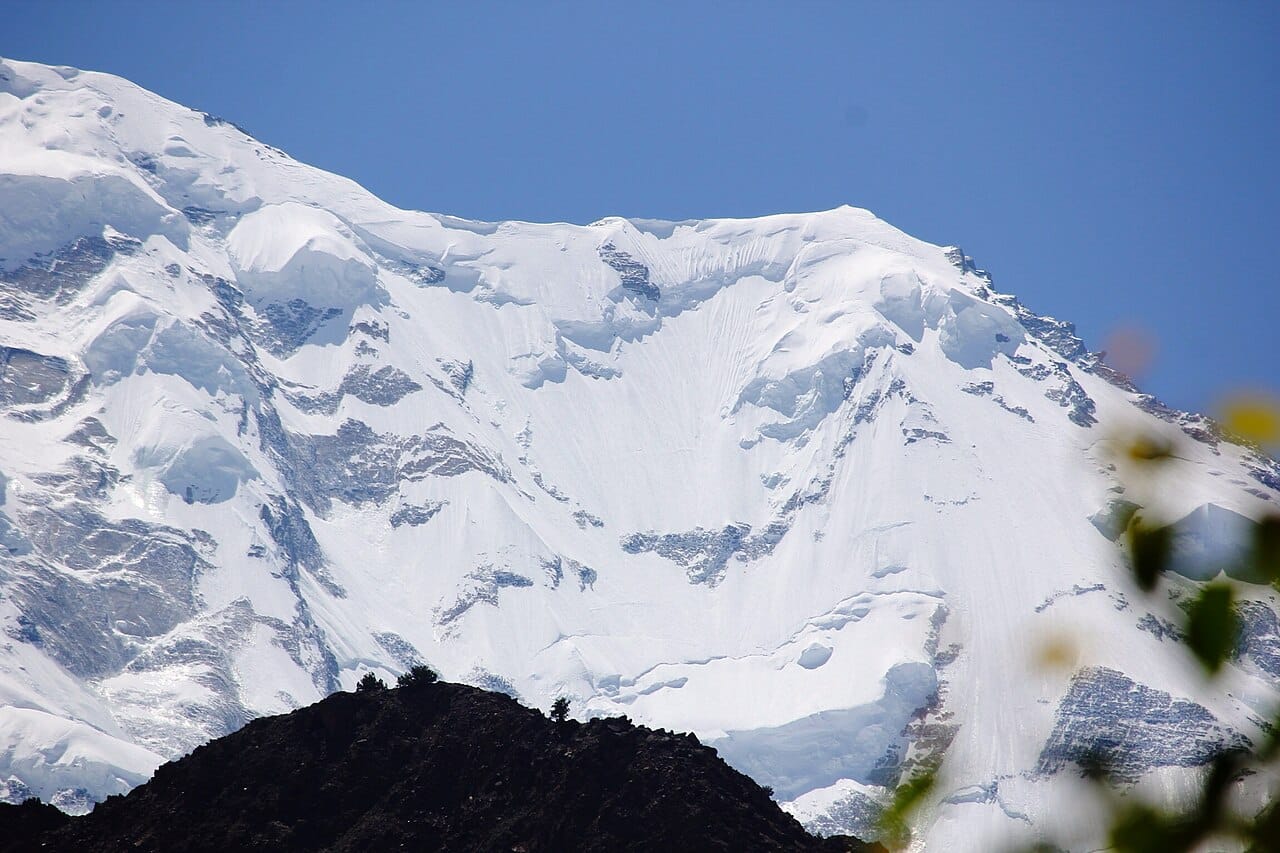
Rakaposhi stands at 7,788 m in the Nagar Valley, roughly 100 km north of Gilgit. It’s the 27th-highest mountain in the world and the 12th-highest in Pakistan — but rank undersells it. Measured from the green valley floor to its summit, Rakaposhi rises in one almost uninterrupted sweep of close to 6,000 vertical metres, one of the greatest unbroken mountain walls anywhere on the planet. In the local Burushaski language it’s called Dumani — “Mother of Mist.”
The beauty of this trek is the contrast. In a single morning you climb from apricot orchards and pine forest into raw alpine ice, with Rakaposhi filling the sky the whole way. It’s short, it’s accessible, and it’s spectacular — which is exactly why we send first-time trekkers and families here before the bigger expeditions. If you’re weighing it against the giants, our K2 Base Camp Trek guide shows what the next step up looks like.
The route: Minapin to Tagaphari, step by step
The trail starts at Minapin, a village about 2 km off the Karakoram Highway in Nagar. From Skardu or Gilgit it’s an easy drive — and if you’re flying in, our Skardu travel guide covers getting to the region.
Day 1 — Minapin to Hapakun (~2,800 m)
You begin gently through the village, then climb steadily into a forest of pine and juniper. After the first hour the gradient bites — this is the steepest, sweatiest stretch of the whole trek, about 3 hours and 800 m of ascent to the grassy shelf of Hapakun. Stop, breathe, look back: the Hunza and Nagar valleys open up beneath you, with Hachindar and Maiun peaks across the river.
Day 2 — Hapakun to Tagaphari / Rakaposhi Base Camp (~3,300 m)
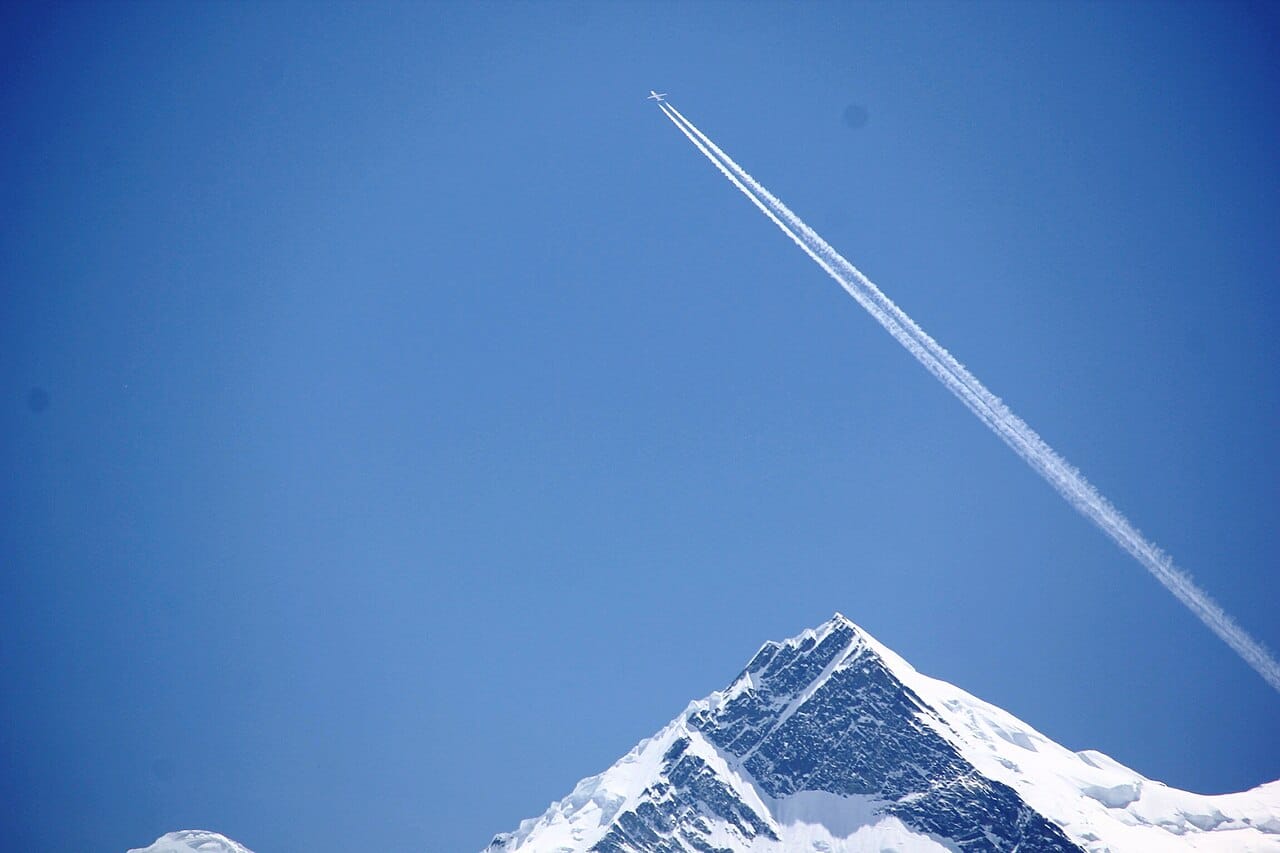
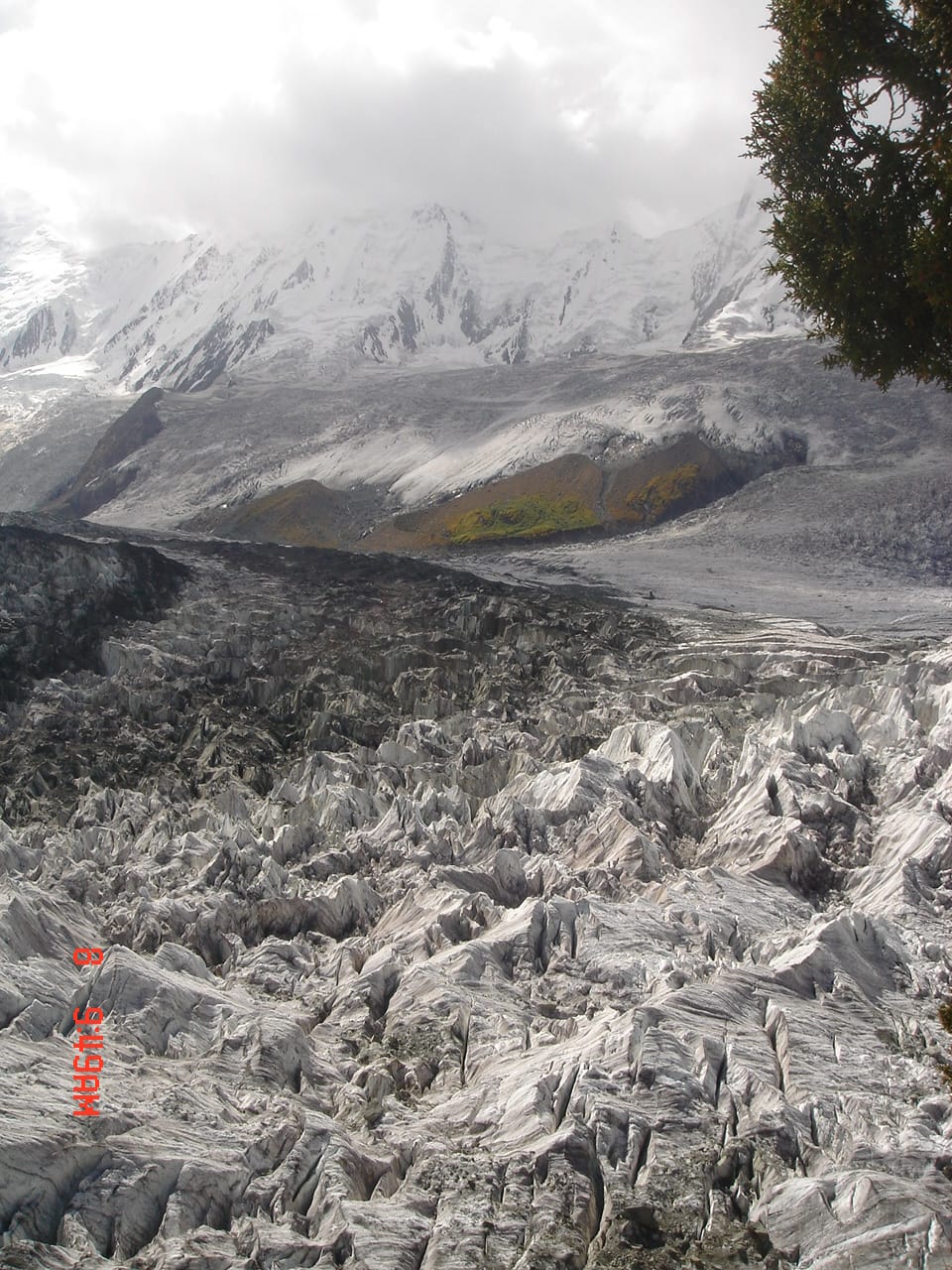
The second day is shorter and kinder — 2 to 3 hours up to Tagaphari, the broad meadow everyone calls Rakaposhi Base Camp. This is the moment the trek pays off. Rakaposhi rears up directly ahead, Diran Peak (7,266 m) sits to the right, and the Minapin Glacier grinds down between them. There’s a flat green pitch up here that locals proudly call the highest cricket ground in Gilgit-Baltistan — bring a tennis ball and you’ll make friends fast.
Day 3 — Descend to Minapin
Most trekkers descend the way they came, reaching Minapin in 3–4 hours. With an extra day you can push higher toward the glacier viewpoints above Tagaphari, or link across to Diran Base Camp from the same trailhead — a quieter option for those wanting more.
How hard is the Rakaposhi Base Camp trek?
Honestly? It’s moderate, and we won’t pretend otherwise either way. There’s no glacier walking, no fixed ropes, and no technical skill required — which is why beginners and reasonably fit families do it. But you gain roughly 1,300 m on steep ground, often in strong sun, and the altitude is real enough that going slowly matters. Train a little before you come, walk at a steady pace, and drink more water than you think you need. Our acclimatisation guide is worth reading before any trek above 3,000 m.
Here’s how Rakaposhi sits next to the bigger Karakoram treks, so you can pick the right challenge:
| Trek | Max altitude | Days | Difficulty |
|---|---|---|---|
| Rakaposhi Base Camp | ~3,300 m | 2–3 | Moderate |
| Nanga Parbat Base Camp (Fairy Meadows) | ~3,900 m | 3–5 | Moderate |
| K2 Base Camp | ~5,150 m | 12–14 | Hard |
| Gondogoro La | 5,585 m | 14–18 | Very hard |
Best time to trek Rakaposhi
The window runs from about mid-April to October. Our pick is June to September: the meadows are green, the mornings are clear, and the high passes elsewhere in the region are open too. Spring brings cooler air and the tail end of the famous Hunza blossom season lower down the valley, while autumn turns the forests gold and empties the trail. Whenever you come, expect cold nights at base camp — even in midsummer.
What to pack
Even on a short trek, the Karakoram demands respect. You’ll want proper broken-in boots, a warm layer for the nights, a windproof shell, sun protection, and a sleeping bag rated for cold. We carry tents, cooking gear and group safety equipment, so you travel light. For the full breakdown, see our Karakoram trek packing list.
Permits, visa and getting here
Rakaposhi Base Camp lies in an open trekking zone, so it generally doesn’t require the special permits or No-Objection Certificate that restricted-zone expeditions like K2 demand. You will, however, need a valid Pakistan visa — most nationalities can now apply online with a letter of invitation from your operator. We walk you through it in our Pakistan visa guide for trekkers, and rules can change, so confirm current requirements with us before you book.
Trekking Rakaposhi with Karakoram Venture
We’re a Skardu-based team, and our guides are from the Balti and Hunza-Nagar communities who have walked these valleys their whole lives — not a broker passing you to a stranger. Every trip runs with a real safety plan: a guide who knows the mountain, a satellite phone where there’s no signal, and established rescue contacts for the region. Because our logistics are local, we can keep the price fair without cutting the things that keep you safe and fed well. Local hands, real safety, fair price — that’s the whole idea.
Ready to go? See the 2026 fixed departures, prices and the full day-by-day plan on our 7-day Rakaposhi Base Camp Trek package.
Rakaposhi makes a perfect first Karakoram trek, and it pairs beautifully with a few easy days in Hunza. If you’re travelling with children, our family tours in northern Pakistan can build it into a wider trip — and photographers should read our Karakoram photography guide before they come.
Plan your Rakaposhi trek with a local team
We run Rakaposhi Base Camp departures through the 2026 season, with local Balti and Hunza guides and a real safety plan. Tell us your dates and group size and we’ll send a tailored plan and a fair quote.
WhatsApp us “Rakaposhi” for 2026 dates and pricing — or get in touch here.
Frequently asked questions
How many days do you need for the Rakaposhi Base Camp trek?
Two to three days return is ideal: one day up to Hapakun, a night and morning at Tagaphari base camp, then the descent. Very fit hikers can complete the round trip in a single long day of about 8 hours, but you’ll miss the sunrise on Rakaposhi.
How high is Rakaposhi Base Camp?
The base-camp meadow at Tagaphari sits at around 3,300 m. You can climb higher toward glacier viewpoints above it, but the standard trek tops out near the meadow.
Is the Rakaposhi trek suitable for beginners?
Yes. It’s a moderate trek with no glacier crossings or technical climbing, so beginners and reasonably fit families manage it well. The main challenges are the steep forest climb on day one and the altitude, both of which a steady pace handles.
What’s the best month to trek Rakaposhi?
June to September offers the most reliable weather and green meadows. May and October are quieter and beautiful, with colder nights. The trail is generally snow-affected and harder outside mid-April to October.
Do I need a permit to trek to Rakaposhi Base Camp?
Rakaposhi is in an open trekking zone, so it usually doesn’t require the special NOC needed for restricted-zone expeditions. You do need a valid Pakistan visa. Because rules can change, confirm the latest requirements with your operator before booking.
Where does the trek start?
At Minapin village in the Nagar Valley, about 2 km off the Karakoram Highway and roughly 70 km from Gilgit. The same trailhead also serves Diran Peak Base Camp.
Written by the Karakoram Venture guide team — local Balti and Hunza-Nagar guides based in Skardu. Mountain heights and route details cross-checked against public references including Wikipedia’s Rakaposhi entry and the Alpine Club of Pakistan. Always confirm current visa and permit rules via the official Pakistan online visa portal.