The Kachura Lakes sit at about 2,500 m (8,200 ft) near Skardu in Gilgit-Baltistan, Pakistan. Upper Kachura (Foroq Tso) is a clear lake around 70 m deep. Lower Kachura — better known as Shangrila Lake — is cradled inside the Shangrila Resort, roughly 20 km from town. This is not a trek. It is an easy day out, or an overnight stay. The drive from Skardu takes 30–40 minutes on a sealed road. Then there is gentle walking, and boats on green water under pine and apricot slopes. The lakes are reachable most of the year. However, the resort and the boating are at their best from roughly April to October. Spring blossom and autumn gold are the loveliest windows.
We run this out of Skardu with our own Balti team. And we’ll be straight with you: Kachura is the soft side of the Karakoram, not an expedition. After the Baltoro or Deosai, this is where you slow down — a boat, a plate of trout, a night in a lakeside cottage. It suits families, honeymooners and anyone who wants the mountains without the hardship. This guide covers both lakes, the resort, when to come and how we fold it into the rest of your Skardu trip.
Kachura Lakes: key takeaways
- Two lakes, one name: Upper Kachura (Foroq Tso) and Lower Kachura (Shangrila Lake) both sit at about 2,500 m (8,200 ft). Both are in Skardu District, Gilgit-Baltistan, in the Karakoram and the Indus River basin.
- Upper Kachura is a clear lake about 70 m (230 ft) deep. It sits at roughly 15 °C in summer, and freezes solid in winter. Wild apricot orchards and conifer slopes ring it.
- Lower Kachura (Shangrila) is shallower — around 30 m — fed by water from the upper lake, and sits within the grounds of the Shangrila Resort.
- Shangrila Resort opened in 1983 as the first resort hotel in Skardu; its best-known feature is a restaurant built inside the fuselage of a crashed aircraft.
- Getting there: about 20 km from Skardu, a 30–40 minute drive on a sealed road — no jeep track and no trekking required.
- Best season: roughly April–October, with spring blossom (Apr–May) and autumn colour (mid-September on) the standout windows.
Where the Kachura Lakes are, and why people come
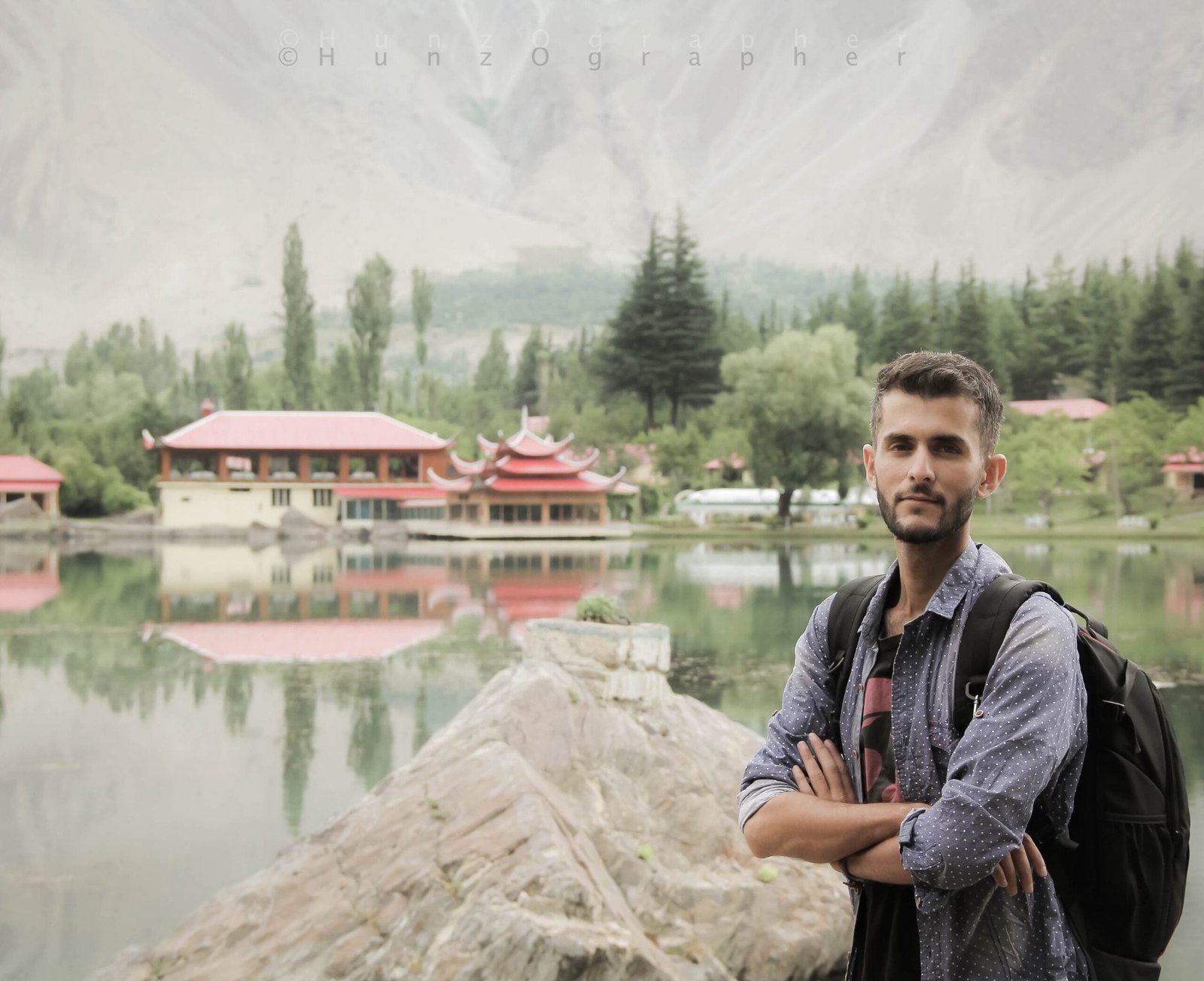
Drive out of Skardu and cross the Indus. In a little over half an hour the road brings you to Kachura. It is a green pocket of pine and apricot, in a landscape otherwise built from rock and glacier. Two lakes hide here at about 2,500 m. Upper Kachura is the wilder and deeper of the pair. Lower Kachura is the one the whole country knows as Shangrila. They lie in the Karakoram, in the Indus River basin, and they are the easiest beauty in all of Baltistan to reach. No permit, no jeep ordeal, no altitude to fight. That is exactly why they matter on a trip: they are the rest day between the hard days.
Most people fold Kachura into a wider Skardu circuit rather than travelling for the lakes alone. If you are still planning the shape of your trip, our Skardu travel guide and our guide on how to get to Skardu cover the flights, the road and the seasons. Kachura then slots in alongside the desert and the plateau — the Sarfaranga Cold Desert and Deosai National Park — as the gentle half of the itinerary.
Two lakes: Upper Kachura and Lower Kachura (Shangrila)
They share a name and an altitude, but they are different places. Upper Kachura (Foroq Tso) is the quieter, wilder one. The water is clear and cold, about 70 m deep. It sits near 15 °C at the height of summer, and freezes solid in winter. Its shores are lightly developed, with wild apricot orchards, conifer forest and paths that see far fewer feet. Lower Kachura — Shangrila Lake — is the postcard. It is a smaller, shallower body of water, roughly 30 m deep and fed from the upper lake. The red-roofed cottages of the Shangrila Resort wrap around it. A short walk links the two, and a third small lake, Zambakha, sits nearby — so a half-day here can take in all of it at a stroll.
If you have come off a big route, the contrast is the whole point. The giants and glaciers belong to the K2 Base Camp trek; Kachura is where you photograph reflections instead of crevasses, and let your legs recover.
Kachura among the lakes of the north
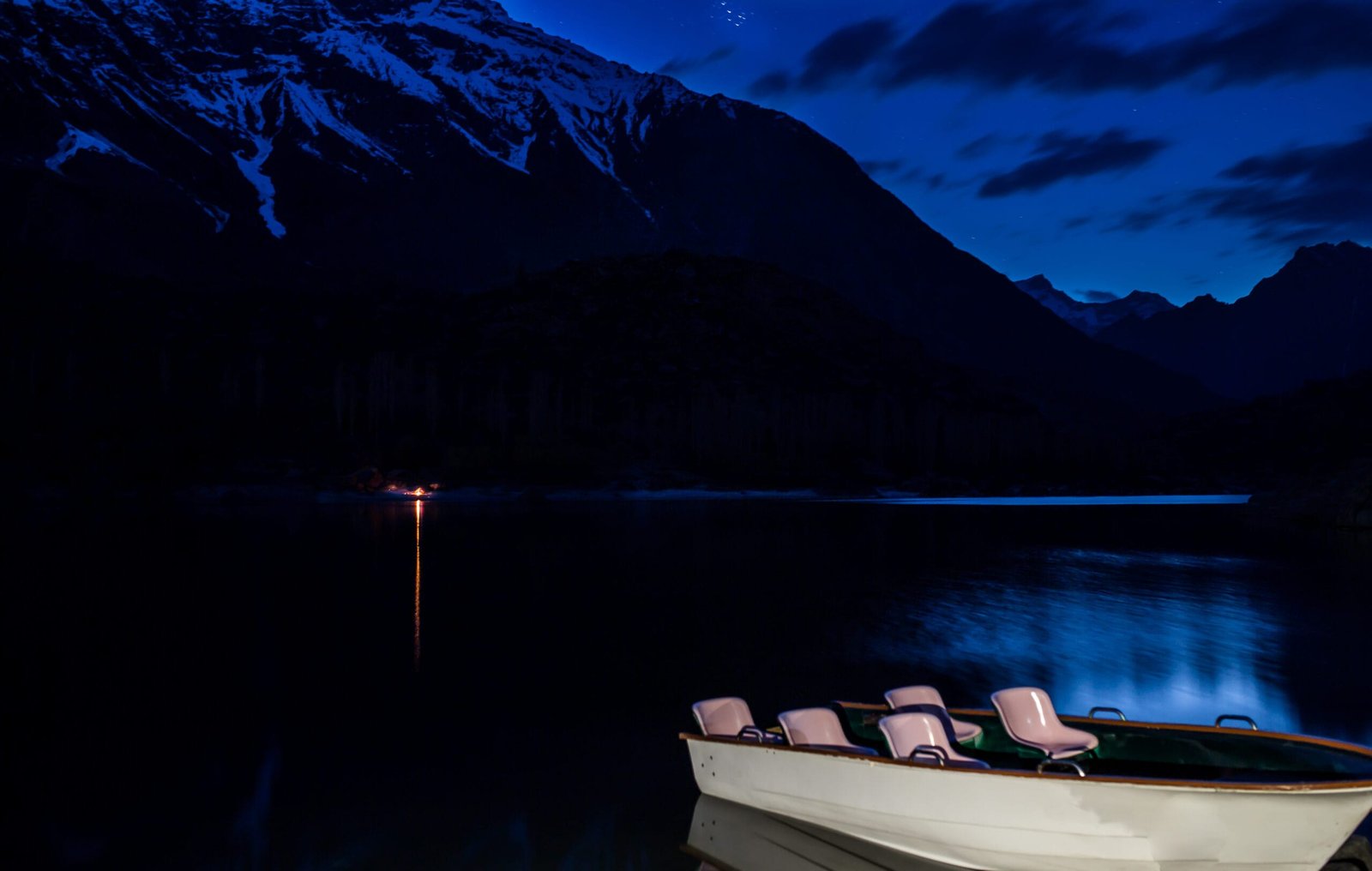
Gilgit-Baltistan is full of famous water, but most of it is high and hard-won. Kachura is the exception — the low, easy one you can reach in half an hour. Set it against the region’s alpine lakes and the difference in altitude, and therefore in effort, is plain.
The Shangrila Resort and the plane-wreck restaurant
Lower Kachura and the Shangrila Resort are so bound together that most visitors simply call the lake “Shangrila”. The resort opened in 1983, the first proper resort hotel in Skardu. As a result, its red-roofed cottages around the water became one of the defining images of tourism in the north. Its most famous quirk is a restaurant built inside the fuselage of an aircraft that crashed in the area, now a café by the lake. It is a private resort, so there is normally an entry or consumption arrangement for day visitors. We sort that out for you, so there are no surprises at the gate.
For travellers who like their mountains served with comfort and history, Kachura pairs naturally with Baltistan’s heritage stays. Read it alongside our guides to Shigar Valley & Shigar Fort and Khaplu Valley & Khaplu Palace for a softer, restored-fort circuit.
What to do at the lakes
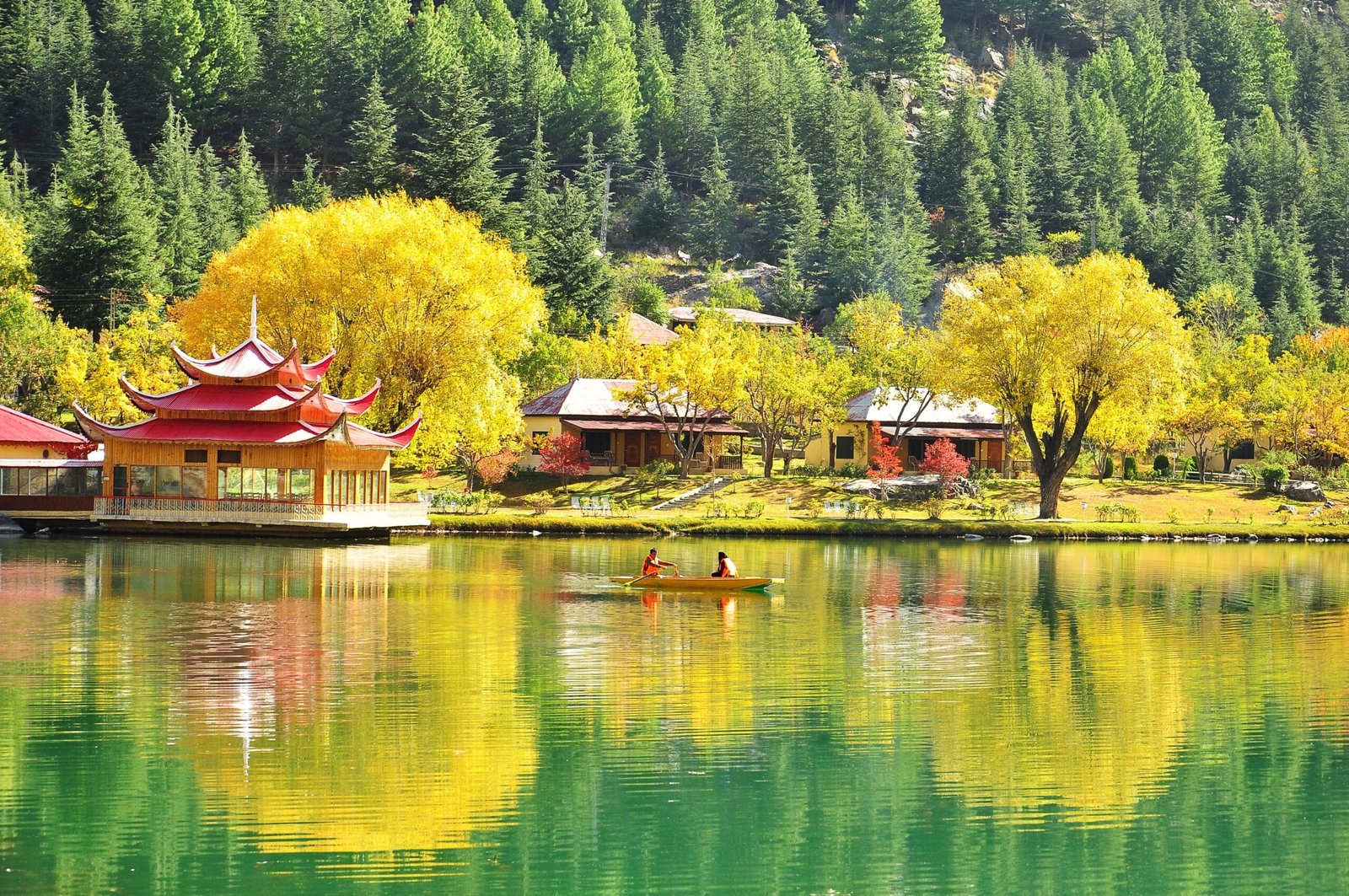
Kachura is about slowing down, not ticking off. The staples are simple: take a boat out on Lower Kachura, walk the fifteen or twenty minutes over to the quieter Upper Kachura, and eat trout by the water. Upper Kachura is known for trout fishing, and for short hikes into the apricot orchards and conifer forest around it. The light on the clear water in the early morning and at dusk is the reason photographers keep coming back. None of it demands fitness — it is the kind of day that works for grandparents and children as easily as for trekkers on a rest day. If you are travelling with family, our family tours guide builds Kachura into a gentler northern circuit.
When to go
Because Kachura is low by Baltistan’s standards, its season is longer and kinder than the trekking peaks. The road stays open for much of the year, but the lakes are at their best in the warmer months. Here is an honest month-by-month read.
| Window | Conditions | Verdict |
|---|---|---|
| April – May | Spring; apricot and cherry blossom around Skardu, mild days, lakes thawed and green. | Excellent — blossom season |
| June – August | Warmest and busiest; full boating, the resort in full swing, ideal as a rest day off a trek. | Best — peak season |
| September – October | Crisp, clear light and thinning crowds; autumn gold in the poplars and orchards from mid-September. | Superb, especially for photos |
| November – March | Cold and quiet; Upper Kachura can freeze, snow around the shores, the resort largely off-season. | Quiet, wintry, weather-dependent |
Spring blossom is the signature Skardu season — the same window that lights up the wider north, covered in our Hunza cherry blossom guide. Come then or in the golden second half of September and Kachura is at its finest.
How easy is it, and who it suits
Let us be as honest about the ease as we are about hardship elsewhere: Kachura asks almost nothing of you. At around 2,500 m it is low enough that altitude is not a worry for most healthy visitors. The walking is also flat and short, and the road runs to the gate. It is one of the few places in Baltistan we happily recommend for young children, older travellers and honeymooners who want the mountains without the miles. The only real cautions are ordinary ones — the water is deep and cold, mountain weather shifts fast, and this is not a supervised swimming spot. Treat it as a beautiful, gentle day, and it delivers exactly that.
Safety, said plainly
Kachura is low-risk by our standards, but it is still mountain country. Upper Kachura is around 70 m deep with cold water and no lifeguards — keep children close to the boats and the shore, and wear the life jacket. The mountain road from Skardu is fine but narrow in places, and weather can close in. On any wider trip that reaches high or remote ground — Deosai, the desert, a trek — we carry a satellite phone. We also hold established helicopter-rescue contacts for the region. Because the plan has to exist before you need it, not after.
Permits, getting there and cost
Permits & visa — the short version
Kachura is an open, easily visited area — no trekking or mountaineering permit is required to see the lakes or stay at the resort. What every foreign visitor still needs is the correct Pakistan visa to enter the country and travel to Gilgit-Baltistan. If Kachura is part of a bigger trip that includes serious trekking, make sure your visa matches those plans rather than being a bare tourist stamp. Our Pakistan visa guide walks through it, and we handle any local arrangements for you.
Getting there is the easy part. Kachura is about 20 km from Skardu, a 30–40 minute drive on a sealed road. So it needs no jeep track and no trailhead walk. Most travellers reach Skardu by flying from Islamabad or driving up, then visit Kachura as a half-day or overnight from town — the trade-offs of flight versus road are in our guide on how to get to Skardu.
On cost, we keep pricing personal rather than posting a number that goes stale the moment fuel or resort rates change. What we promise is a fair price, with no corners cut on the car, the guide or the arrangements. Tell us whether you want a half-day at the lakes, a night in a lakeside cottage, or Kachura built into a full Skardu itinerary with the desert, Deosai and the forts. Then send your dates and group size, and we’ll give you a straight quote. This is our home valley; you book the local team, not a broker.
The lakes are one morning of a bigger week. Our 6-day Skardu Tour Package puts Shangrila and Upper Kachura alongside Kharpocho, Shigar, the Deosai Plateau and Khaplu, from $480 per person with a local driver-guide, hotels and meals. If you only have one day, our Shangrila & Kachura Lakes Day Tour covers both lakes and Satpara from $65 per person, with every entry ticket handled.
Frequently asked questions
Where are the Kachura Lakes and how high are they?
The Kachura Lakes are in Skardu District, Gilgit-Baltistan, northern Pakistan, at about 2,500 m (8,200 ft) in the Karakoram and the Indus River basin. They lie roughly 20 km from Skardu town, a 30–40 minute drive on a sealed road.
What is the difference between Upper and Lower Kachura?
Upper Kachura (Foroq Tso) is the deeper, clearer, quieter lake — about 70 m deep, around 15 °C in summer and frozen in winter. Lower Kachura, known as Shangrila Lake, is shallower (roughly 30 m), fed from the upper lake, and sits within the Shangrila Resort. A short walk links the two.
What is the Shangrila Resort and the plane restaurant?
Shangrila Resort opened in 1983 as the first resort hotel in Skardu, set around Lower Kachura Lake with its distinctive red-roofed cottages. Its best-known feature is a café built inside the fuselage of an aircraft that crashed in the area.
When is the best time to visit Kachura?
Roughly April to October. Spring (April–May) brings blossom and mild days. June to August is the warm peak season for boating. Finally, mid-September into October offers golden autumn light and fewer crowds. Winter is cold and quiet, and the upper lake can freeze.
Do I need a permit or any fitness to visit the lakes?
No trekking or mountaineering permit is needed — Kachura is an open area reached by road. You do need the correct Pakistan visa to enter the country. It requires no real fitness or acclimatisation: the walking is short and flat and the altitude is low, which makes it suitable for families and older travellers.
Planning a Skardu trip with Kachura in 2027?
Want a half-day at the lakes, a night in a Shangrila cottage, or Kachura built into a full Skardu circuit? WhatsApp us on +92 312 9921574 or email info@karakoramventure.com — you’ll be talking to a local Balti team who live and guide in these valleys, not a broker. Tell us your dates, group size and pace, and we’ll give you an honest plan and fair pricing.
Sources & attribution: Kachura Lakes location and elevation (~2,500 m / 8,200 ft), Upper Kachura (Foroq Tso) depth (~70 m) and summer temperature (~15 °C), Lower Kachura / Shangrila Lake and the Shangrila Resort (opened 1983, first resort hotel in Skardu; fuselage restaurant) — Wikipedia and Visit Gilgit-Baltistan. Distances, depths and seasons are approximate and vary by year and source. Comparison-chart lake elevations from standard references. Images: Hunzographer (CC BY-SA 4.0), Shozib ali (CC BY-SA 4.0) and Mohammad Yaseen Yousafzai (CC BY-SA 4.0), all via Wikimedia Commons.