Naltar Valley sits about 34–40 km northwest of Gilgit, up a side road through Nomal, at roughly 2,850–2,950 m on the valley floor. A jeep track climbs another 12–13 km beyond the last village to the three Naltar (Bashkiri) Lakes, at around 3,050–3,150 m — Satrangi, Blue, and Feroza. It’s a rough half-day drive each way, not a trek: no technical walking, no permits, no altitude ordeal, just a genuinely bad road and genuinely good scenery. Best window is May to October; the valley also holds Pakistan’s oldest ski resort.
We send clients to Naltar as an add-on out of Gilgit or Hunza, not as a headline expedition — and we’ll be straight with you about that. It’s the easiest thing in our catalogue: half a day of driving, no fitness test, no acclimatisation plan needed. What it demands instead is a decent 4×4, a driver who knows the washouts, and patience for a track that gets worse the higher you go.
- Naltar Valley: ~34–40 km / 1–2.5 hours by road and jeep track from Gilgit, via Nomal.
- Valley floor ~2,850–2,950 m; the three Naltar (Bashkiri) Lakes sit higher, at ~3,050–3,150 m, 12–13 km beyond Naltar Bala on a rough dirt track.
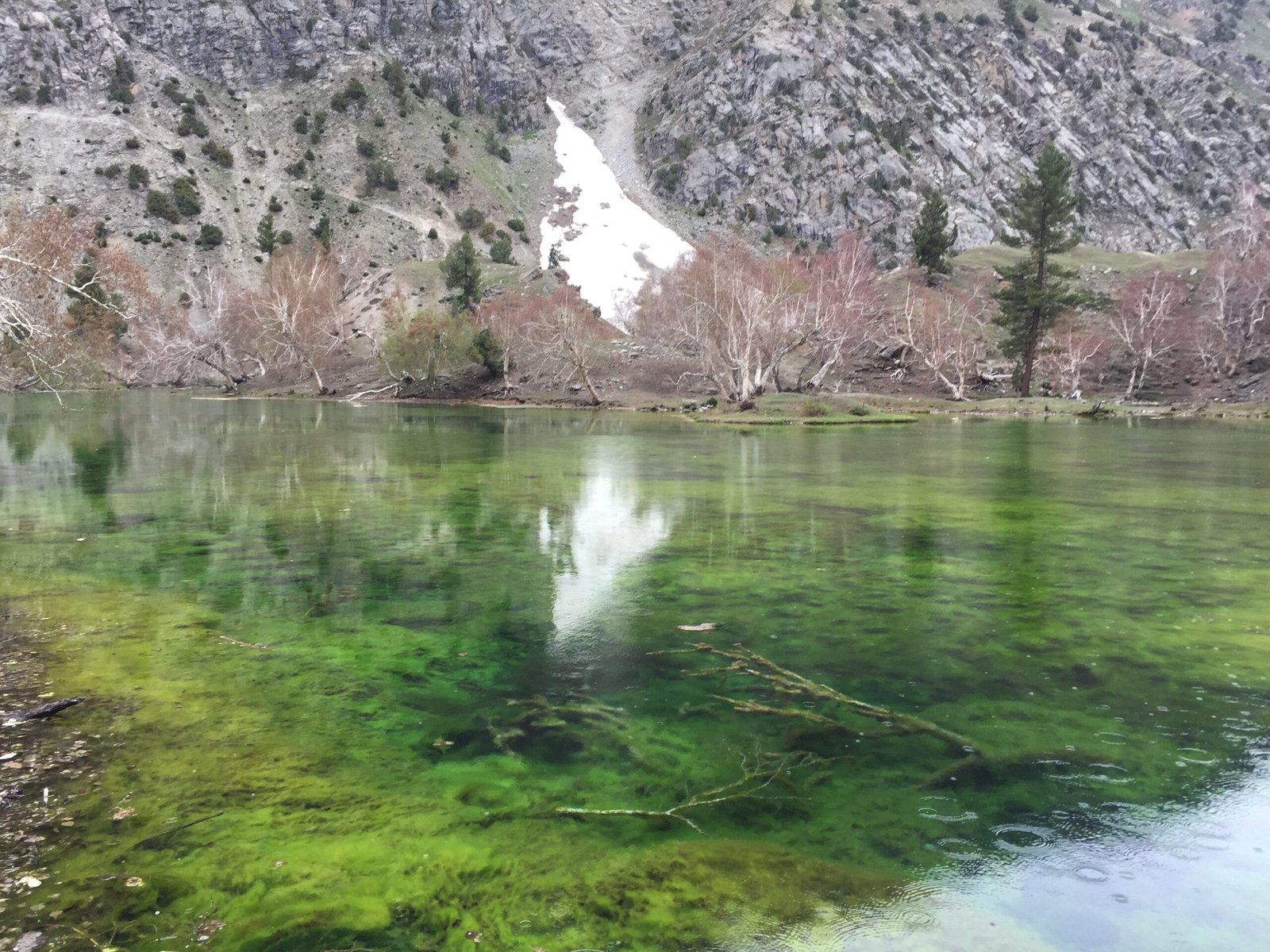
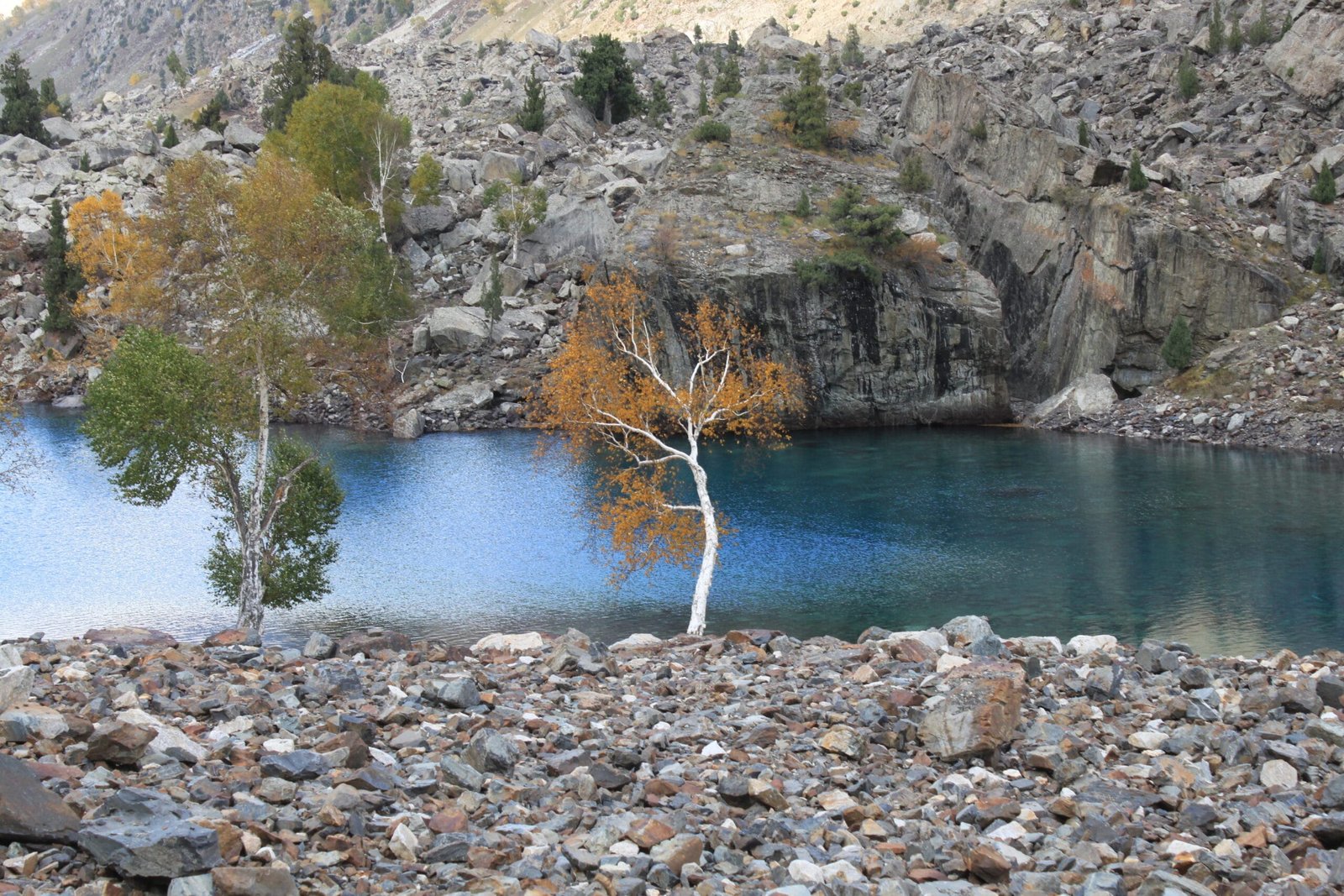
- The three lakes are usually named Satrangi (Bashkiri I, “seven-coloured”), Blue Lake (Bashkiri II), and Feroza Lake (Bashkiri III, “turquoise”).
- Best season for the lakes: May–October. In winter the track is buried under 10–15 feet of snow and closes to vehicles.
- Naltar is home to Pakistan’s oldest ski resort, run with the Pakistan Air Force and the Ski Federation of Pakistan; it has produced Pakistan’s Winter Olympians.
- No mountaineering permit needed — a standard tourist visa covers it. It’s a day trip or overnight, not an expedition.
Where it is, and why it’s different from our other guides
Most of what we write about — K2, Broad Peak, Gondogoro La — asks something of you: days on a trail, altitude, a real risk of things going wrong. Naltar doesn’t. It’s a forested side valley off the Gilgit–Nomal road, protected since 1975 as the Naltar Wildlife Sanctuary, holding snow leopard, brown bear, grey wolf and the Astor markhor in its upper reaches — though you’re here for the lakes and the drive, not a wildlife safari, and sightings of anything bigger than a marmot are rare.
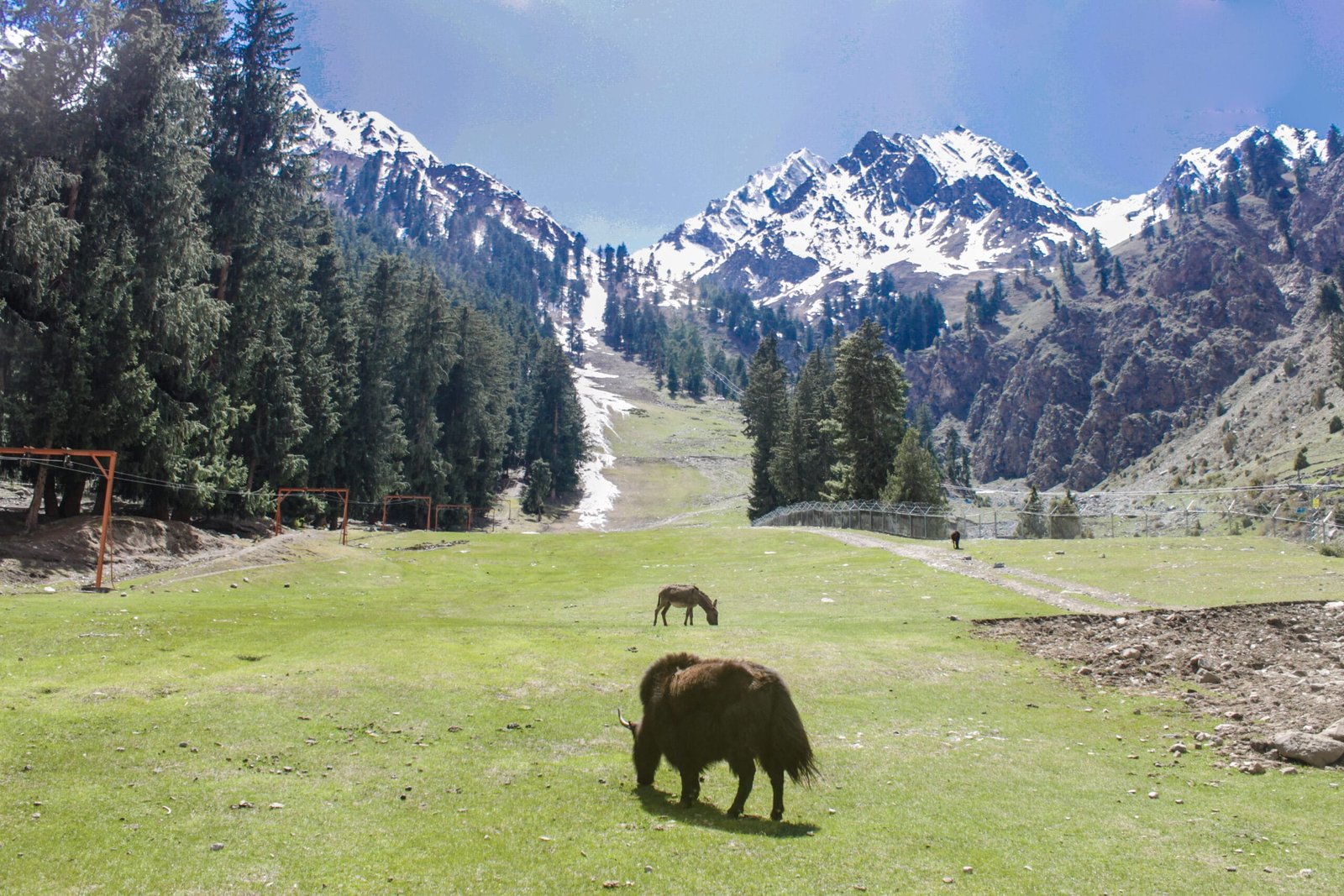
What makes it worth the rough road is the contrast: dense pine and juniper forest, three alpine lakes in different shades of blue and green within a few kilometres of each other, and — almost incongruously — a working ski resort with a chairlift, used every winter for Pakistan’s National Ski Championship. If jeep tracks and forests are what you’re after, it sits in the same family of trips as our Deosai jeep safari and the Sarfaranga Cold Desert safari on the Skardu side — though Naltar is a Gilgit-area trip, not a Skardu one.
The route, step by step
This is a jeep trip, not a trek, so the “itinerary” is really a driving plan. We run it as a long day out of Gilgit, or as an overnight if you want the ski resort and the lakes without rushing.
- Gilgit → Nomal (~1 hr). Paved road, easy driving, following the Karakoram Highway then branching off toward the Naltar valley mouth.
- Nomal → Naltar Payin → Naltar Bala (~1–1.5 hrs). The road climbs through pine forest and small settlements; the surface degrades from tarmac to a rougher, narrower track as you gain height. This stretch passes the ski resort and PAF facility.
- Naltar Bala → the lakes (~1.5–2 hrs, 4×4 only). The final 12–13 km is unpaved, rocky, and follows a stream up the valley — slow going, no sedans, and impassable after heavy rain or early-season snowmelt.
- At the lakes. Satrangi first, then Blue Lake and Feroza Lake a short walk or drive further on. An hour or two is enough to see all three and get the light for photos.
- Return to Gilgit, or overnight at a guesthouse in Naltar Bala/Payin if you’d rather not do the round trip in one day.
We pair this most often with a Hunza-based itinerary — it sits conveniently between Gilgit and the routes up toward Passu and Shimshal, or as a rest-day add-on before or after a harder trek like Rakaposhi Base Camp or Rush Lake.
The lakes and the ski resort
The three main lakes — known collectively as the Naltar Lakes or Bashkiri Lakes — each have their own colour. Satrangi (“seven-coloured”) is the largest, its shifting blues and greens coming from moss, grasses and aquatic plants under the surface. Blue Lake holds a steadier, deeper blue, framed by pine and, in season, snow on the ridgelines behind it. Feroza (“turquoise”) is paler and smaller. None of them are for swimming — the water is glacier-fed and cold year-round, and we don’t encourage clients in.
Above the lakes, Naltar’s other claim to fame: the country’s oldest ski resort, base elevation around 2,870 m, top around 2,950 m, run jointly with the Pakistan Air Force and the Ski Federation of Pakistan (formed 1990). It’s hosted the Pakistan National Ski Championship and international events like the 2016 Karakoram Alpine Ski Cup, and it’s the training home associated with several of Pakistan’s competitive skiers, including the country’s first Winter Olympian, who competed in 2010. A chairlift went in in 2015. It’s a working, modest facility, not a resort in the Alpine sense, and access depends on snow and PAF activity, so we treat winter visits as weather- and clearance-dependent.
When to go
The lakes are only reliably reachable May through October; outside that, snow depth on the upper track (reported at 10–15 feet in winter) makes it a walk-in or nothing.
| Months | Conditions | Verdict |
|---|---|---|
| Dec–Feb | Heavy snow; lake track closed to vehicles; ski resort operating | Skiing only — lakes off-limits |
| Mar–Apr | Snowmelt, track soft and unpredictable | Marginal — check conditions day-of |
| May–Jun | Snow clearing off the upper track, forests greening up, fewer visitors | Good |
| Jul–Aug | Warmest, lake colours most vivid, peak domestic tourist season | Best window, but busier |
| Sep–Oct | Clear air, cooler days, autumn colour in the forest | Excellent, our pick |
| Nov | Early snow can return without warning | Closing window — risky to plan around |
How hard is it, honestly
Not hard, physically — and that’s the point of sending people here. There’s no trekking fitness requirement and no altitude acclimatisation needed for a day trip that starts and ends near sea-level-adjacent Gilgit. The real test is the road: the last 12–13 km is a rough, narrow, unpaved track along a streambed, with drop-offs in places, and it will rattle you and your gear for close to two hours each way. If you get carsick on bad roads, or you’re bringing small children or anyone with a bad back, plan for that discomfort honestly — it’s the one part of this trip that isn’t easy.
We don’t run this with amateur drivers. Our jeep drivers know the seasonal state of the track, when the stream crossings are safe, and when a washout means turning back rather than pushing on.
Getting there & what it costs
You’ll fly or drive into Gilgit first (see our notes on flights and road options into the north for the general logistics, even though that guide is written for Skardu-bound travellers). From Gilgit, Naltar is a half-day-or-more jeep excursion, best combined with a Hunza or Nagar itinerary rather than run alone.
We keep pricing personal rather than posting a number that goes stale the moment fuel or permit costs shift — message us with your dates and group size and we’ll quote a fair price, no corners cut, using our own vetted jeep drivers rather than a subcontracted broker.
Frequently asked questions
How do I get to Naltar Valley from Gilgit?
By road via Nomal — about an hour of paved driving to Naltar Payin/Bala, then a further 1.5–2 hours on a rough 4×4-only track to reach the three lakes. Total round trip from Gilgit is typically a long half-day to a full day.
How high are the Naltar Lakes?
The three main lakes — Satrangi, Blue Lake and Feroza — sit at roughly 3,050–3,150 m. The valley floor at Naltar Bala is lower, around 2,850–2,950 m.
Do I need a permit to visit Naltar Valley?
No trekking or mountaineering permit is needed — it’s an open tourist zone reachable by jeep. A standard Pakistan tourist visa is sufficient.
When is the best time to visit Naltar Lakes?
May to October, with July–September giving the most vivid lake colours and reliable road access. The upper track is typically closed by snow from November to April.
Is Naltar Valley suitable for families or non-trekkers?
Yes — there’s no trekking fitness requirement, which is what makes it different from most of our other guides. The one real demand is tolerance for a long, rough jeep ride; it’s not ideal for very young children prone to carsickness or anyone with back problems.
We run Naltar as part of Hunza and Gilgit-based itineraries with our own Balti and Gilgit-area drivers — not a broker. WhatsApp us at +92 312 9921574 or email info@karakoramventure.com to talk dates.
Sources & attribution: Wikipedia (Naltar Valley, Naltar Lakes, Naltar (ski resort)); Ski Federation of Pakistan history. Photos: Satrangi Lake by Samad313 (CC BY-SA 4.0); Blue Lake by Tipuabdul (CC BY-SA 3.0); yaks grazing by Irfansheen (CC BY-SA 4.0) — all via Wikimedia Commons.