Ask ten mountain guides to name the best treks in the world and you will get ten different lists — with the same eight or nine names on every one of them. This list comes from an unusual vantage point. Our team guides one of the contenders for a living, has walked several of the others, and has no interest in pretending our home trail beats everything for everyone: a list you can trust has to be willing to send you to Nepal. So here are the world’s great walks for 2027, ranked honestly, with the reason each one earns its place — and a plain answer to the only question that matters: which one is right for you?
The best treks in the world: the twelve, honestly ranked
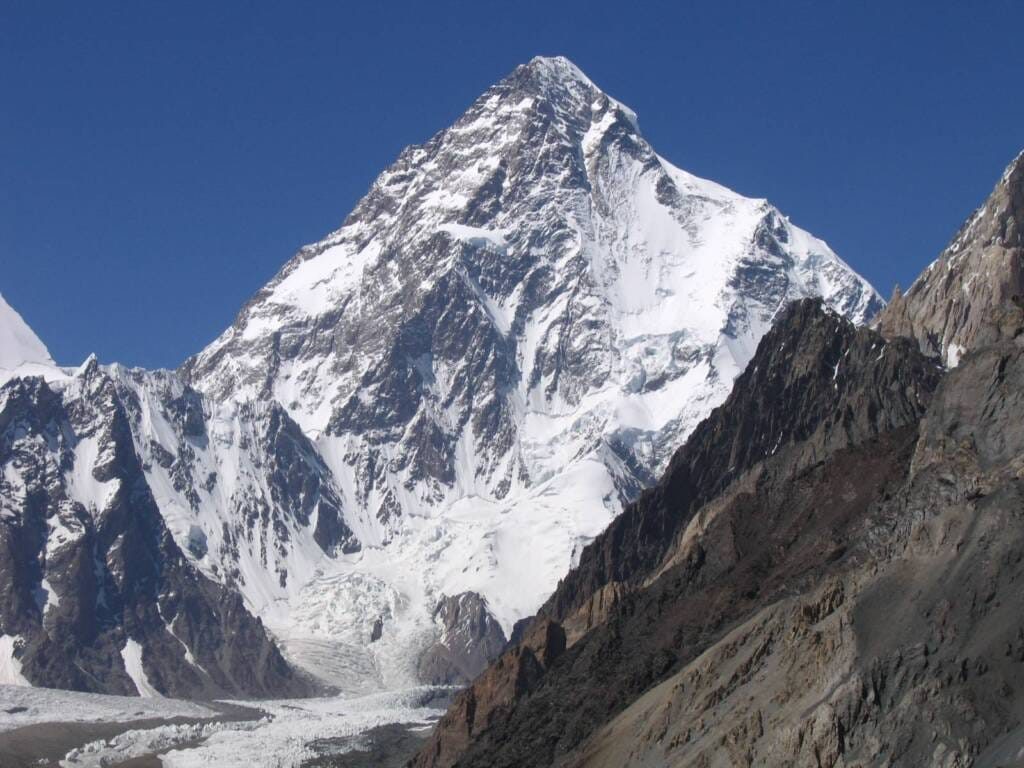
1. K2 Base Camp & Concordia, Pakistan. The wildest of the classics. Ten days of glacier and granite up the Baltoro to an amphitheatre ringed by four 8,000-metre peaks, with no teahouses, no crowds and no shortcuts. It is the full-value expedition trek, and the view from Concordia has no rival on this list.
2. Everest Base Camp, Nepal. The world’s most famous walk, and deservedly so: Sherpa culture, teahouse comfort and the theatre of the Khumbu. The trade-off is company — tens of thousands walk it yearly. 3. Tour du Mont Blanc, Europe. Three countries in eleven days, superb food, and the best-organised long walk on earth. Civilised is not an insult. 4. Torres del Paine W Trek, Chile. Patagonian drama — granite towers, blue ice, guanacos — compressed into five weather-lashed days.
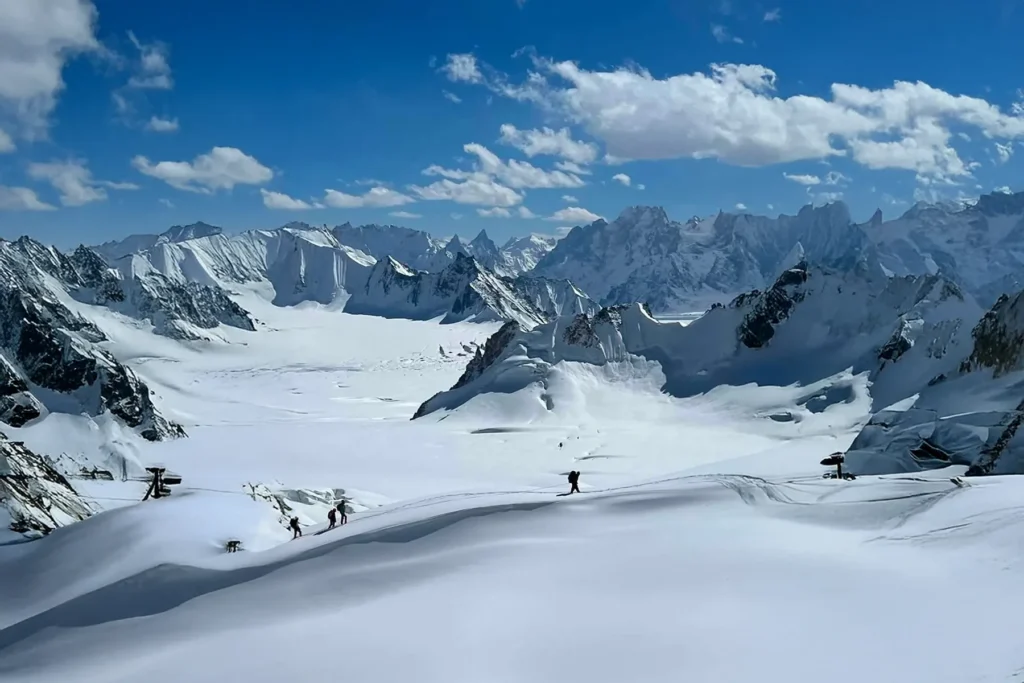
5. Huayhuash Circuit, Peru. The connoisseur’s Andes: twelve days, eight passes over 4,600 m, and mountain scenery that survivors of the list’s other entries still rave about. 6. Snow Lake & Hispar La, Pakistan. The remotest entry here — a crossing of the longest glacier system outside the poles, where a second party at camp counts as a crowd. Our guides call it the Karakoram’s best-kept secret. 7. Annapurna Circuit, Nepal. Still magnificent, though road-building has trimmed its wildness; the Thorong La day remains one of trekking’s great crossings. 8. Laugavegur, Iceland. Four days through geology that behaves like theatre: obsidian, rhyolite, steam.
9. Kilimanjaro, Tanzania. A summit rather than a trek, but the roof of Africa belongs on any life list — choose the longer routes for acclimatisation. 10. GR20, Corsica. Europe’s toughest waymarked route: two weeks of granite scrambling with Mediterranean swims at the end. 11. Milford Track, New Zealand. Rainforest, fjords and the world’s most civilised hut system. 12. Markha Valley, Ladakh. The Himalaya at prayer-flag pace, with homestays instead of camps.
What separates the best treks in the world from the merely great
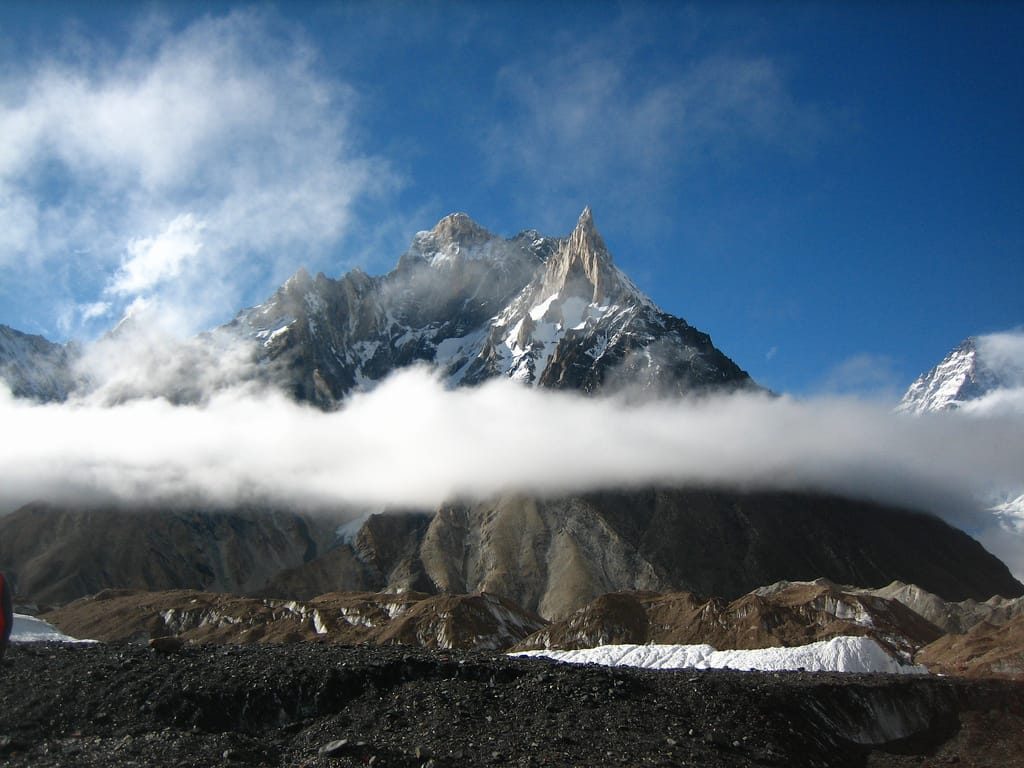
Three questions sort every candidate. First, scale: nothing in the Alps or Andes prepares you for the Baltoro, where walls rise three vertical kilometres from the ice and the glacier runs to the horizon — this is why National Geographic’s best-hikes lists keep returning to the Karakoram. Second, solitude: Everest Base Camp hosts more trekkers in a week than K2 Base Camp sees in a season, and that single ratio shapes the experience more than any statistic on distance or altitude. Third, support style: teahouse routes like EBC and the TMB forgive inexperience, because a warm room waits every night; camping routes like K2 and Huayhuash reward preparation and punish the lack of it. Weigh those three honestly and the right name usually picks itself.
The Pakistani entries, from the people who guide them
We will not pretend neutrality about our own mountains — instead we will be precise about who they suit. The K2 Base Camp trek is for fit trekkers with one previous high-altitude walk who want the biggest mountain scenery on earth without technical climbing; our K2 death rate analysis explains why the mountain’s fearsome numbers belong to the climb, not the walk. Snow Lake is for the experienced few who want true remoteness. The Gondogoro La crossing turns the K2 trek into a loop with one big-pass day borrowed from mountaineering. For the full field — including gentler doors like Rakaposhi and Fairy Meadows — our best treks in Pakistan guide ranks every route we run, and Is Pakistan safe? answers the question that usually follows.
How to choose: a guide’s decision tree
Want your first taste of real altitude with a safety net? Everest Base Camp, and enjoy every bakery. Want fitness with wine? The TMB. Two weeks and a hunger for the wildest scenery on the planet, with tent life accepted as the price? The Baltoro, no contest. Short on days but long on drama? The W Trek. Already collected the famous ones? Huayhuash and Snow Lake are where lists end and pilgrimages start. And if you are sequencing a trekking life, the order we would walk them: TMB, then EBC, then K2 — comfort, then altitude, then wilderness. Timing matters everywhere: Karakoram and Huayhuash are strictly summer seasons, Patagonia flips to the southern calendar, so check our season guide before locking dates, and book the permit-limited routes six to nine months out.
Conclusion: pick the walk that fits the walker
The best treks in the world share one quality: every one of them is worth training for. Choose by honesty rather than fame — teahouse comfort or expedition wildness, crowds or silence, first summit or biggest skyline — and any name on this list will repay you for years. And when the answer is the Karakoram, you know where to find us: every departure, priced plainly, guided by people born under these mountains. Local hands, real safety, fair price.
Best treks in the world: frequently asked questions
What is the best trek in the world?
There is no single answer, but the shortlist rarely changes: K2 Base Camp, Everest Base Camp, the Tour du Mont Blanc, Patagonia’s W Trek and Peru’s Huayhuash circuit. Which is best depends on whether you want solitude, altitude, culture or comfort.
Which famous trek has the fewest crowds?
Of the world-class routes, the Karakoram treks — K2 Base Camp and Snow Lake — see a tiny fraction of the foot traffic of Nepal or the Alps. A busy day at Concordia is a quiet day at Everest Base Camp.
How hard is the K2 Base Camp trek compared to Everest Base Camp?
Harder. K2 BC involves glacier walking, wilder weather and full camping rather than teahouses, which is exactly why it ranks so high with experienced trekkers. EBC is the better first high-altitude trek; K2 is the better second one.
What is the best trek for a first-timer?
The Tour du Mont Blanc for fitness with comfort, Everest Base Camp for a first taste of real altitude with teahouse support, or the Milford Track for pure scenery with full infrastructure. Save the camping expeditions for trip two.
When should I book a world-class trek?
Six to nine months ahead for permit-limited routes and fixed group departures. Karakoram seasons are short — mid-June to mid-September — and the best local teams are committed early.