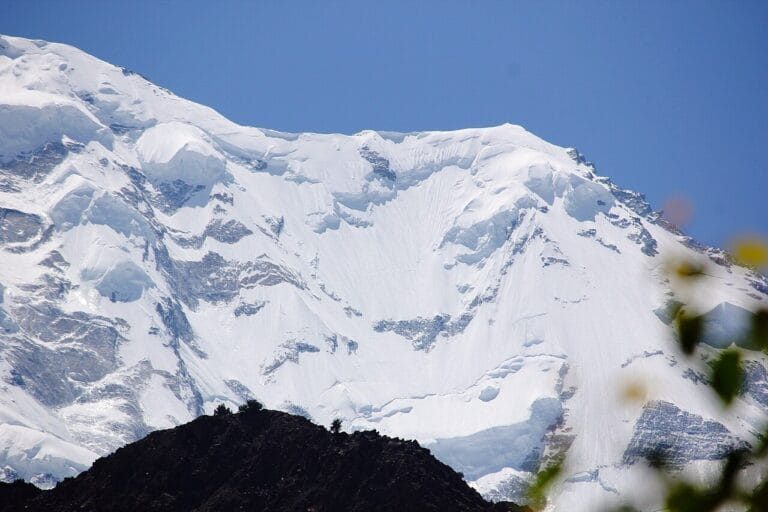
The Hunza Valley is the easiest great mountain valley in Pakistan to visit and one of the most beautiful anywhere. It sits on the Karakoram Highway in Gilgit-Baltistan, about 100 kilometres north of Gilgit. Karimabad lies at around 2,440 metres under Rakaposhi (7,788 m) and Ultar Sar (7,388 m). There are good roads and good hotels, and two forts older than most countries. Moreover, there is a landslide lake you can boat across, and a paved pass into China at 4,693 metres.
In short, this page is the map of everything we have written about Hunza. It runs from the people and their food to the treks and the 7,000-metre peaks above the terraces. We are a Balti team from Skardu, and we say plainly that Hunza is not our valley. Therefore, when we bring guests here we work with guides from Altit and Karimabad. This guide is written the same way, with their facts.
Hunza Valley at a glance
| Where | Gilgit-Baltistan, northern Pakistan, on the Karakoram Highway about 100 km north of Gilgit |
|---|
| Altitude | Karimabad about 2,440 m; Attabad Lake about 2,500 m; Khunjerab Pass 4,693 m |
|---|
| Peaks above the valley | Rakaposhi 7,788 m, Ultar Sar 7,388 m, Diran 7,266 m, the Passu Cones (Tupopdan) 6,106 m |
|---|
| People and languages | Burusho speaking Burushaski in central Hunza, Wakhi in Gojal, Shina downstream and in Nagar; mostly Ismaili Muslims |
|---|
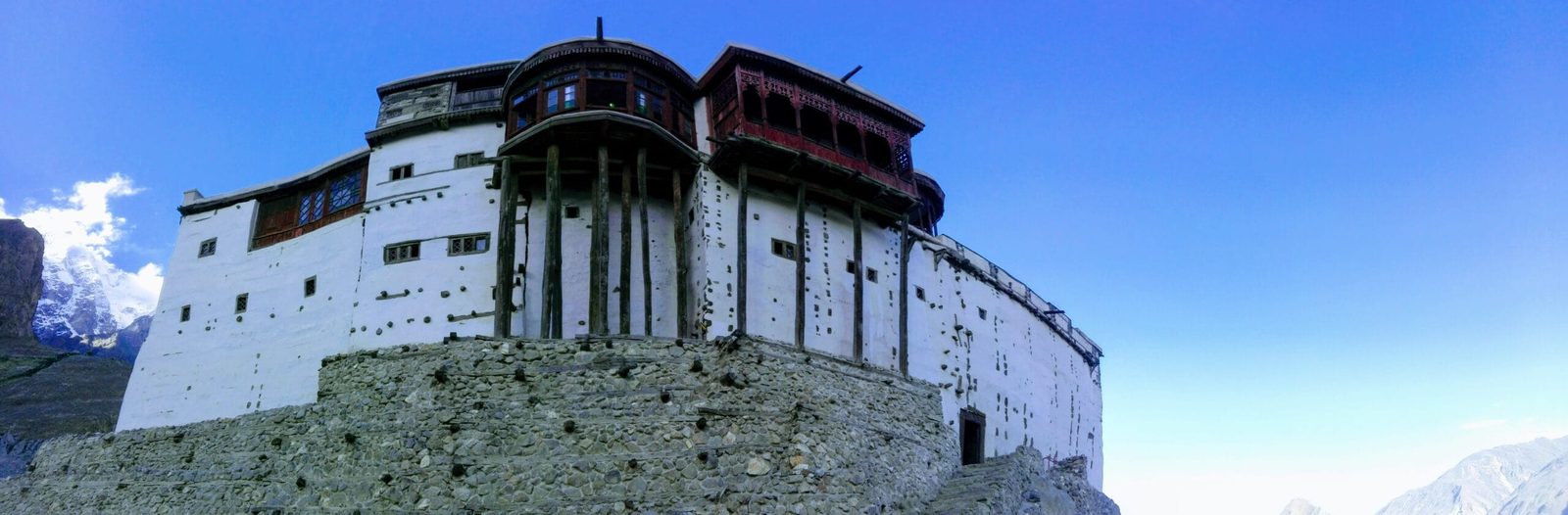
| Forts | Altit, whose Shikari tower is about 1,100 years old; Baltit, the 700-year-old seat of the Mirs until 1945; Hunza was a state with its own Mir until 1974 |
|---|
| Seasons | Cherry blossom late March to mid-April; summer June to September; golden autumn from mid-October; Khunjerab road open roughly May to October |
|---|
| Getting there | Fly Islamabad to Gilgit (weather-dependent) then two to three hours by road, or two days up the Karakoram Highway |
|---|
| Fitness needed | None for the valley, lake, forts and pass; moderate for the Rakaposhi and Rush Lake treks |
|---|
Where the Hunza Valley is, and how it is laid out
The Hunza River cuts a gorge north from Gilgit towards the Chinese border. Indeed, the valley is three places in one. Central Hunza is Karimabad and its satellite villages, Altit and Aliabad, on terraces above the river. There Rakaposhi fills the sky across it. Meanwhile, Upper Hunza, called Gojal, begins past Attabad Lake. It runs through Gulmit, Passu and Sost to the Khunjerab Pass, and this is Wakhi country. Across the river lies Nagar, Shina-speaking, with the Hopar glacier. There too are the trailheads for Rush Lake and the Rakaposhi and Diran base camps. Our Hunza or Skardu comparison explains how the valley differs from our own. In addition, the Karakoram Range guide places it in the wider mountains.
The places everyone comes for
- Baltit Fort and Altit Fort: a short walk apart above Karimabad, both restored by the Aga Khan Trust for Culture and open as museums; one day on foot sees both properly.
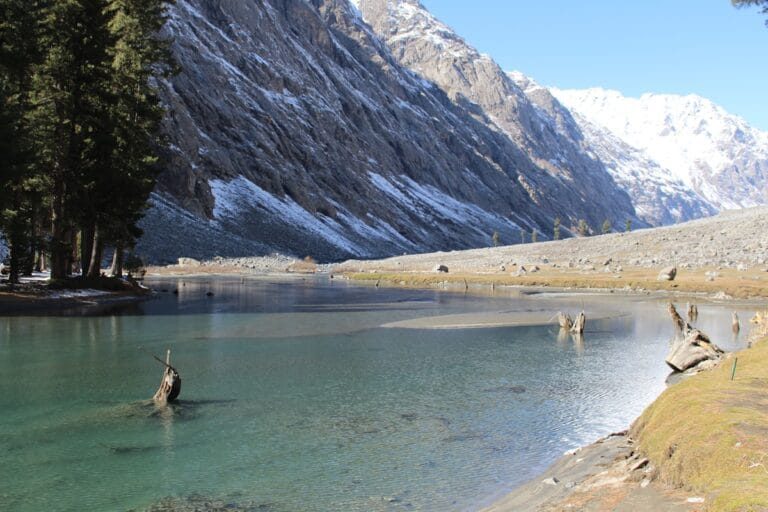
- Attabad Lake: made on 4 January 2010 when a landslide dammed the river; some 21 km long, more than 100 m deep, crossed by the highway through five tunnels, under an hour from Karimabad.
- The Passu Cones and the Batura Glacier: saw-toothed spires that stand straight over the road 10 km north of Passu, with the 57-km Batura Glacier behind them.
- Khunjerab Pass: the highest paved border crossing on earth at 4,693 m, a full day out of Karimabad through Khunjerab National Park, open from about May to October.
- Eagle’s Nest at Duikar above Altit for the sunset panorama, the Hussaini suspension bridge near Gulmit, and the Hopar glacier on the Nagar side, all reached by road.
- Naltar Valley: pine forest and coloured lakes a jeep ride above Gilgit, the natural stop on the way in.
The Hunza people
The internet says the Hunza live to 120 on glacier water. However, the truth is humbler and better. There is a genuinely healthy mountain society, and a language that has defeated linguists for a century. Moreover, there are eight centuries of history you can walk through before lunch. The Hunza people guide goes through the longevity legend from McCarrison in the 1920s to the correction. Meanwhile, our guide to the Hunza people diet covers the apricots, the kernel oil, the breads and the tea, dish by dish. Finally, German readers have Das Volk der Hunza.
When to go
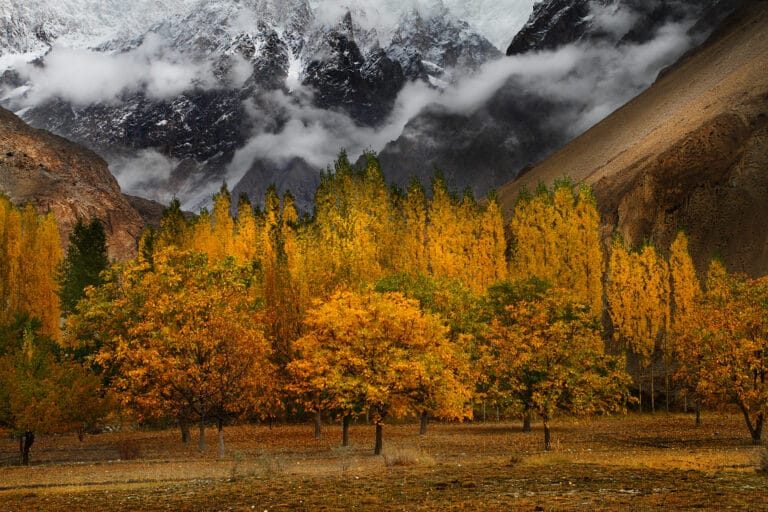
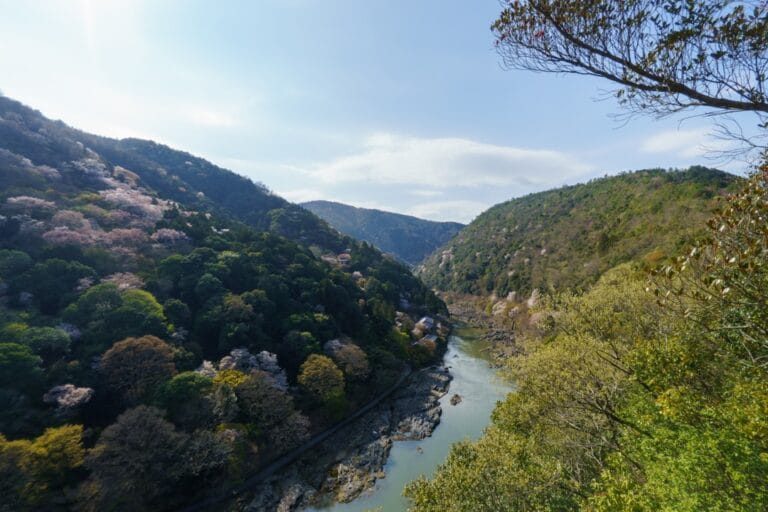
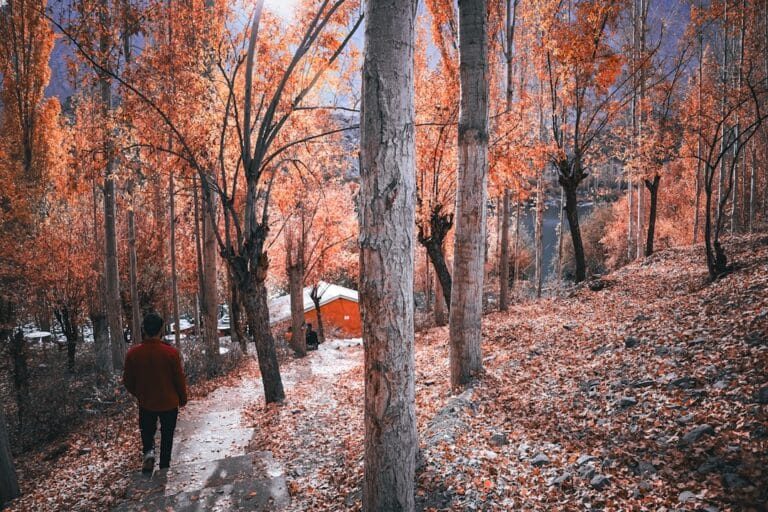
Three seasons, three different valleys. The cherry and apricot blossom runs from late March to mid-April. Peak bloom usually falls in the first two weeks of April. Accordingly, the cherry blossom guide has the villages and the timing. Summer, June to September, is for the treks, the Khunjerab road and fresh apricots in July. Then from mid-October the poplars and orchards turn gold under the first snow. That is the season the Hunza Autumn Tour is built for. Winter is cold, quiet and open. Indeed, the forts and the lake never close, and only the pass does. Finally, the best time to visit Gilgit-Baltistan guide compares month by month.
Tours in Hunza
Everything below runs with our own vehicles and local guides. For example, there is a five-day blossom trip and the full valley circuit that reaches the Khunjerab Pass. In addition, there are the two treks that put you face to face with Rakaposhi.
If you want both valleys in one spring trip, the eight-day Skardu and Hunza Cherry Blossom Tour is the answer. It times the orchards in Baltistan and Hunza together.
Treks around Hunza
Hunza’s walking is shorter and greener than the Baltoro’s, and it starts from villages rather than glaciers. The Rakaposhi Base Camp trek is two to three days from Minapin to the Tagaphari meadow at about 3,300 m. There you stand face to face with a 7,788-metre wall. Indeed, it is the finest first trek in the Karakoram.
Meanwhile, the Rush Lake trek climbs from Hopar to Pakistan’s highest alpine lake at 4,694 m. It takes four to six days and crosses two glaciers. The Ultar Meadow and Hon Pass is a steep three-day loop straight up from Baltit Fort. Further out, the Diran Base Camp trek, the Bagrot Valley and the Shimshal Pass take you where the road does not go. Shimshal sits above the highest permanent village in the old Hunza state, at 3,113 m. Finally, the Khurdopin Pass is the serious one, linking Shimshal to Snow Lake. Beyond it, the Snow Lake and Biafo-Hispar traverse crosses the watershed itself, Askole to Hispar across two glaciers.
The 7,000-metre peaks above the valley
Rakaposhi, Diran and the giants of the Hispar and Batura Muztagh ring the valley. Moreover, most of them have been climbed only a handful of times. Our expedition guides cover each one: the route, the history, the season and what a permit involves.
The peaks one by one
- Rakaposhi Expedition (7,788 m): South-West Spur Route, History and 2027 Season
- Diran Peak Expedition (7,266 m): Route, History and the 2027 Season
- Bublimotin (Ladyfinger Peak), 6,000 m: Hunza Rock Spire Guide 2027
- Bojohagur Duanasir I (7,329 m): The Hunza Giant Almost Nobody Climbs — Route, History & 2027 Guide
- Passu Sar (7,478 m): The Batura Muztagh Giant Climbed a Handful of Times — Route, History & 2027 Guide
- Lupghar Sar (7,200 m): The Hispar Muztagh Peak Almost Nobody Climbs — Route, History & 2027 Guide
- Momhil Sar (7,414 m): The Shimshal Giant Climbed Once in 1964 — Route, History & 2027 Guide
- Yukshin Gardan Sar (7,530 m): The Shimshal Giant Climbed Three Times in Forty Years (2027)
- Trivor (7,577 m): The Karakoram Giant Climbed Only Twice — Route, History & 2027 Guide
- Khunyang Chhish (7,852 m): The Hispar Muztagh’s Rarest Summit — Route, History & 2027 Expedition Guide
- Pumari Chhish (7,492 m): The Karakoram Giant Climbed Once in Fifty Years — Route, History & 2027 Guide
- Distaghil Sar (7,885 m): The Highest Peak of the Hispar Muztagh — Route, History and 2027 Expedition Guide
- Kanjut Sar (7,760 m): The Hispar Muztagh’s Quietest Giant — Route, History & 2027 Expedition Guide
- Yutmaru Sar (7,283 m): The Quiet Seven-Thousander of the Hispar Muztagh
- Shispare Sar (7,611 m): Hunza’s Sharpest Giant — Route, History & Expedition Guide (2027)
- Batura Sar (7,795 m) & the Batura Wall: The Karakoram’s Hidden Giant and the Trek Beneath It (2027)
- Muchu Chhish (7,453 m): The Highest Unclimbed Peak in the Karakoram, Until 2024
- Kampire Dior (7,143 m): Chapursan’s Quiet 7,000er — Route, History & 2027 Guide
- Malangutti Sar (7,207 m): Shimshal’s Quiet Giant — Route, History and 2027 Expedition Guide
Every valley guide on this site
The valley: Baltit and Altit forts · Attabad Lake · Passu Cones · Khunjerab Pass · cherry blossom season · Hunza or Skardu · Naltar Valley
The people: the Hunza people · the Hunza diet · Das Volk der Hunza (German)
Treks: Rakaposhi Base Camp · Rush Lake · Ultar Meadow · Diran Base Camp · Bagrot Valley · Shimshal Pass · Khurdopin Pass
Getting there and practicalities: the Karakoram Highway · is Pakistan safe · the e-visa · best time to visit
Frequently asked questions
Plan your Hunza trip with a local team
Our own vehicles, and drivers who know the Karakoram Highway in every season. In addition, we use guides from Altit and Karimabad for the valley itself. Local hands, real safety, fair price. Blossom, summer and autumn dates for 2027 are open.
WhatsApp us “Hunza” for 2027 dates See the Hunza Valley Tour Package