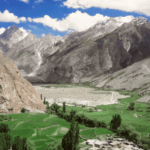
At the briefing before every departure, someone asks the question this article answers: how hard is the K2 Base Camp trek, really? Here is the straight version we give in that room. It is a demanding glacier walk, not a climb — twelve to fourteen days on foot, half of them on moraine, sleeping in tents, topping out at 5,150 metres. A fit hillwalker who trains for three months and respects the altitude finishes it with a grin and a changed sense of scale. An unprepared one usually finishes too — the Baltoro rarely defeats people outright — but suffers every single stage of a trek that should have been the trip of a lifetime. The difference is twelve weeks of preparation. This guide covers exactly what the trek demands, hour by hour and week by week. The itinerary this plan prepares you for is our 21-day K2 Base Camp Trek Classic, with 2027 fixed departures open.
How hard is the K2 Base Camp trek, part by part?
Break the difficulty into components and none is extreme; the sum is what earns respect. Distance: roughly 90 kilometres each way, in daily stages of five to eight hours. Terrain: river-valley trails for the first two days, then glacier moraine — ankle-testing rock over ice — for most of the rest; nothing technical, everything uneven. Altitude: a full week above 4,000 m, sleeping at Concordia near 4,600 m, touching 5,150 m at Base Camp. Living: tents throughout, cold nights even in July, no showers, expedition food that is better than you fear and simpler than you hope. Weather: mostly stable in season, but Karakoram storms can pin a group in camp for a day. Nothing on that list requires skill. Everything on it requires conditioning — which is exactly what our full trek guide and packing list exist to prepare you for.
A day in the life on the Baltoro
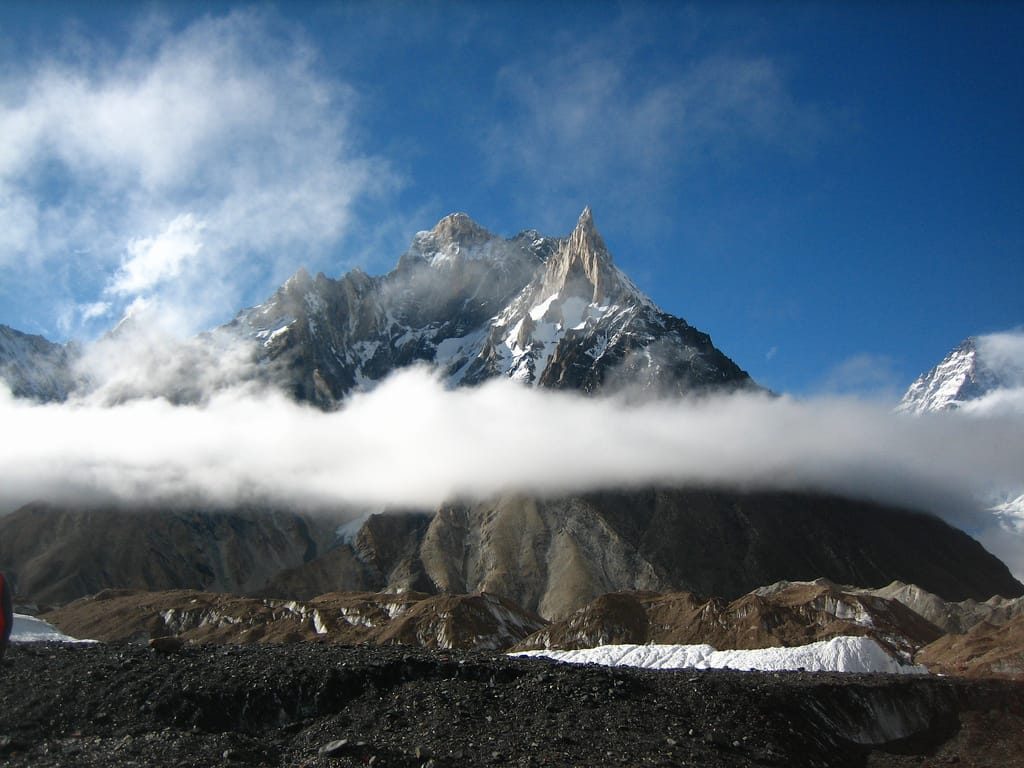
Knowing the shape of a day beats any difficulty rating. You wake at 5:30 to tea at the tent door and pack in the cold. Breakfast is porridge, eggs, chapati; by 6:30 you are walking, because mornings carry the best light and the most stable snow bridges. The morning stage runs three to four hours with a biscuit halt. Lunch happens wherever shade and clean water coincide. The afternoon adds two or three more hours, usually into a rising wind, and camp appears mid-afternoon: tents up, soup immediately, the astonishing luxury of dry socks. Dinner at seven, cards or stargazing for an hour, asleep by nine. Repeat for two weeks. None of it is heroic. All of it, stacked, is why training matters.
The 12-week training plan our guides actually recommend
Start with weeks 1-4, the base: three hikes or brisk walks weekly, one of them 3-4 hours on real hills, plus two 30-minute strength sessions for legs and core — step-ups, lunges, squats, nothing fancy. Then comes the build, weeks 5-8: stretch the long hike to 5-6 hours carrying 6-8 kg, add a stair or stepper session, and keep the strength work honest. After that, weeks 9-11 are the peak: back-to-back weekend hikes of 6-7 hours each, because consecutive-day fatigue is the single best predictor of Baltoro comfort, plus one interval session weekly for the passes. Finally, week 12 is the taper — easy movement only, and start hydrating like it is your job. That is the entire secret. No gym heroics, no ultramarathons; just consistent hill hours, and the discipline to repeat them on tired legs. Clients who follow this arrive fit enough to enjoy the trek rather than merely survive it — and enjoyment, not survival, is the point.
Altitude: the equaliser
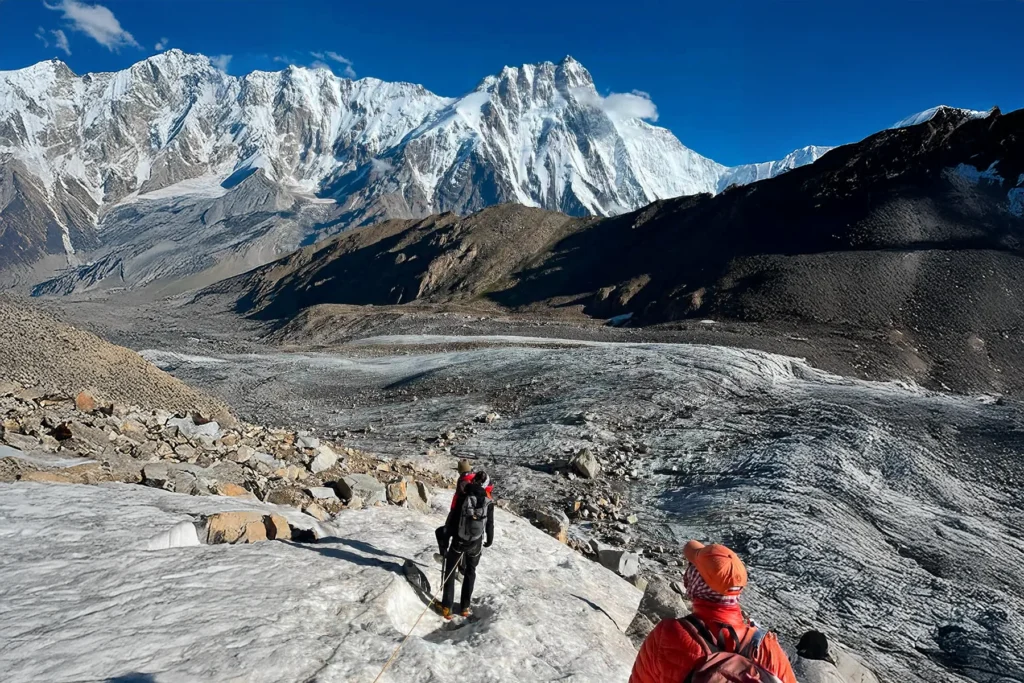
However, fitness does not exempt anyone from acclimatisation. In fact, the fittest client on a rushed schedule fares worse than the average one on a sensible itinerary, because fitness tempts speed and altitude punishes it. The classic route builds the defence in: gradual daily gain, a rest day at Paiju before the glacier, and a high point you touch but never sleep at. Our acclimatisation guide explains the physiology; the UIAA mountain medicine papers are the standard reference if you want it in depth. Trekkers who want maximum margin choose the slower Extended itinerary. Hydration, unhurried pacing and honest symptom reporting do the rest — and this, incidentally, is where the trek parts company with the mountain’s fearsome reputation. As our K2 death rate analysis shows, the statistics belong to the climb, not to the walk beneath it.
The mental game nobody trains for
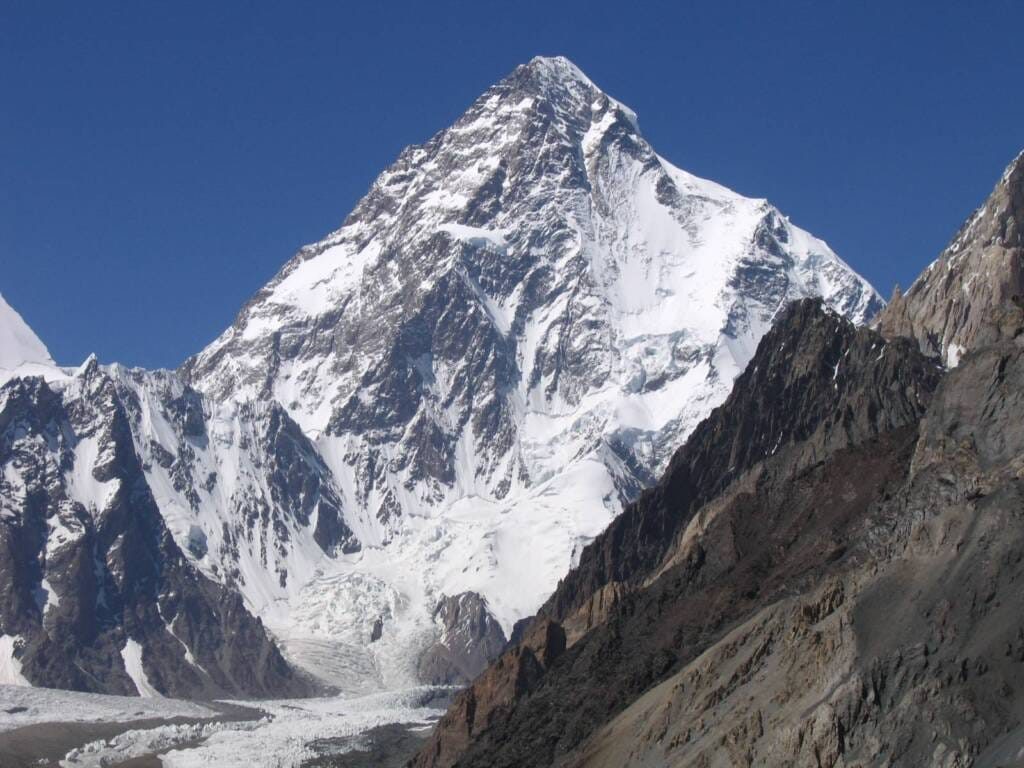
Ask returning trekkers what was hardest and few say the walking. They say day nine’s rain. The fortnight without a shower. The moment the summit pyramid disappeared into cloud an hour before Concordia. Mental endurance on the Baltoro is mostly expectation management, so set expectations now: you will be uncomfortable daily and miserable occasionally, both temporarily. The trekkers who thrive treat weather as scenery, tent life as camping rather than deprivation, and the group as half the point. Bring a book, a role in camp life, and a sense of humour about the marmots. The mountain supplies everything else.
Who should — and should not — book this trek
Book it if you can hike consecutive long days, have one high-altitude trek behind you — Everest Base Camp is the classic stepping stone, and our comparison is honest about the order — and genuinely want expedition-style wildness. Choose differently if tent life sounds like punishment or your training window is under eight weeks: the world’s other great treks include gentler doors into the high mountains, and there is no shame in walking through one of those first. Whatever you choose, sort the insurance early — our insurance guide covers the helicopter clause that matters. Honesty at booking beats misery at Urdukas, every time.
How hard is the K2 Base Camp trek? Hard enough to mean something
Hard enough that finishing changes how you introduce yourself. Manageable enough that ordinary fit people finish it every week of the season, properly prepared and properly supported. Train the twelve weeks. Trust the acclimatisation. Let our Balti team — who walk this glacier the way you walk your neighbourhood — carry the logistics. Fixed departures and private dates are open: the K2 Base Camp Trek Classic, or the gentler-paced Extended. Local hands, real safety, fair price.
How hard is the K2 Base Camp trek? Frequently asked questions
How hard is the K2 Base Camp trek really?
Demanding but non-technical: 12-14 walking days, half of them on glacier moraine, camping throughout, with a high point of 5,150 m. Fit hillwalkers with one previous high-altitude trek complete it routinely; unprepared trekkers suffer every step.
How fit do I need to be?
You should comfortably hike 6-7 hours on consecutive days with a light pack before you arrive. The 12-week plan in this guide — three hikes weekly, two strength sessions, one long back-to-back weekend — gets a normally active person there.
Do I need mountaineering skills or ropes?
No. The classic route to K2 Base Camp involves no ropes, crampons or climbing. Only the optional Gondogoro La crossing adds fixed-line skills, and it can be skipped by returning down the Baltoro.
What is the hardest day on the trek?
Most trekkers name the moraine stages between Urdukas and Goro II — long hours on rock-over-ice — or the Base Camp day itself at altitude. But the honest answer is the accumulation: day eight is hard because of days one through seven.
How does it compare to Everest Base Camp?
Harder in every dimension that matters: rougher ground, full camping instead of teahouses, wilder weather and fewer escape options. That is precisely why experienced trekkers rate it higher. Do EBC first if you can.
What about altitude sickness?
The route’s built-in acclimatisation works for most people: gradual gain, a rest day at Paiju, and a high point you sleep below. Hydration, honest symptom reporting and an unhurried pace do the rest — and our guides are trained to act early.