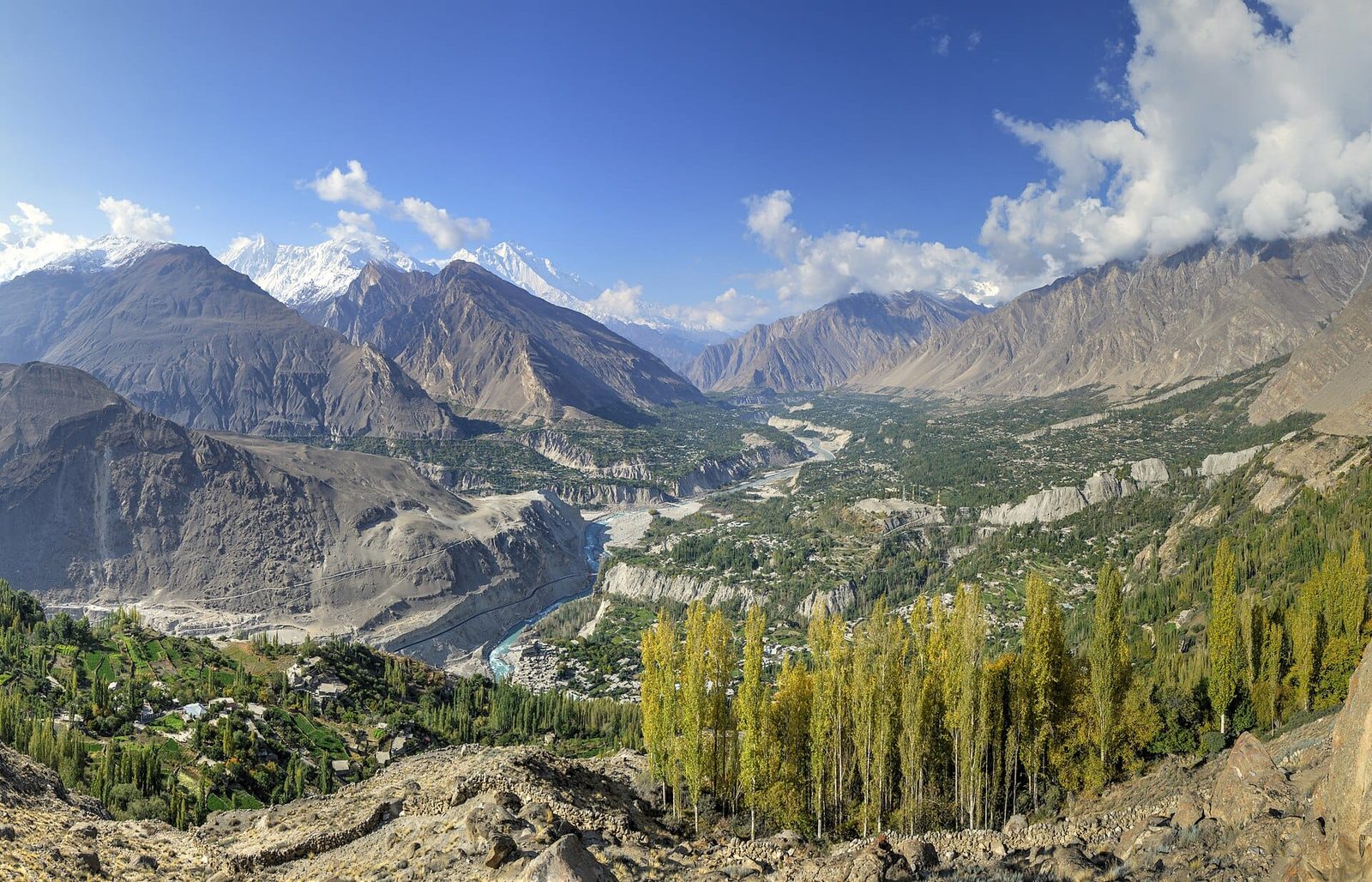
At first light in the terraces above Karimabad, an eighty-nine-year-old man climbs a wooden ladder into his apricot tree. Nobody films it. It is a Tuesday. The Hunza people may be the most mythologised community in Asia — if you believe certain corners of the internet, they live to 120, never see cancer, and owe it all to glacier water.
The truth, which we know because our guides drink tea in these villages every week, is humbler and far more interesting. There is a genuinely healthy mountain society here. There is a language that has defeated linguists for a century. And there are eight hundred years of history you can still walk through before lunch.
This is the honest version of the Hunza story — myth by myth, fact by fact.
Where the Hunza people’s longevity legend came from
The myth has a traceable family tree. In the 1920s, the British army physician Robert McCarrison held up the people of Hunza as proof of what simple food could do. His nutrition lectures made the valley famous in medical circles. In 1948, the American publisher J.I. Rodale ran with it in a book called “The Healthy Hunzas”, and the legend left the ground. By the 1970s, magazine writers were reporting villagers of 110, 120, even 140 years. Then came the correction.
Alexander Leaf was the Harvard cardiologist whose National Geographic reporting had spread the claims. Later, he revisited the evidence and conceded the ages could not be verified. The core problem was simple. Hunza kept no birth records before the mid-20th century, and in traditional societies age is reckoned by events, not documents. Follow-up researchers found something real — vigorous, working elders in their 80s and 90s — and nothing more. The honest summary: the valley’s documented record never needed the myth. A valley where 90-year-olds climb orchard ladders is remarkable on its own evidence.
What is actually true about the Hunza people’s health
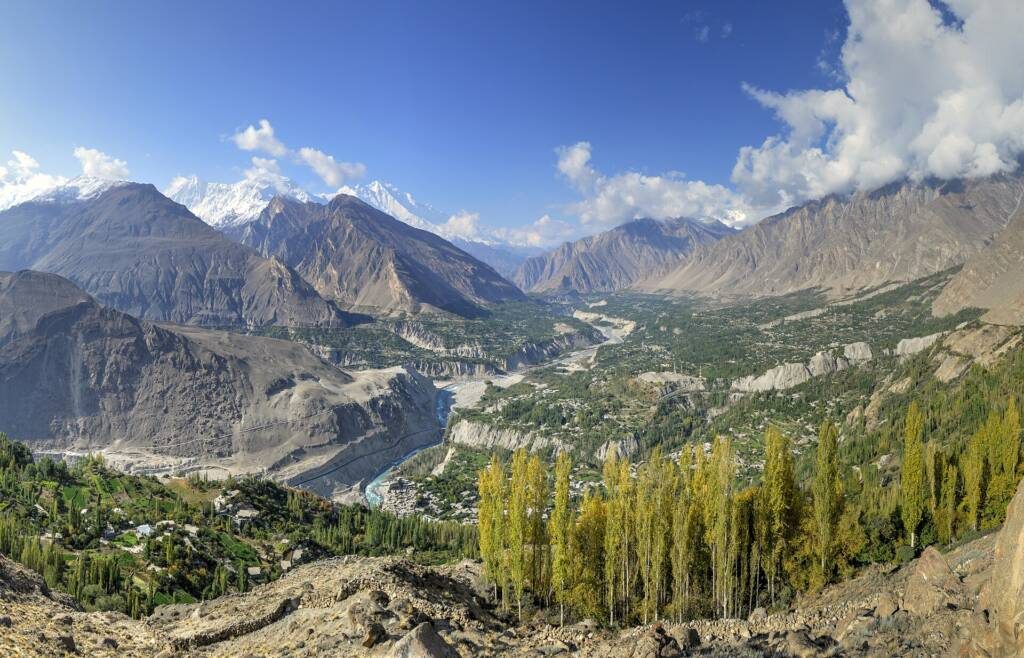
Strip away the exaggeration and a pattern remains that longevity science would recognise instantly. First, movement. Traditional Hunza life is constant moderate exercise on steep ground, from childhood to old age. Nobody “works out”; everybody works. Second, the diet. Apricots rule it — fresh through summer, dried through winter, their kernels pressed into an oil that flavours everything. Around them come walnuts, mulberries, barley, wholewheat chapati and dal. Meat is a festival, not a habit.
Third, an accident of altitude. In the old subsistence economy, stores ran low in late winter. Those lean months mirror the caloric restriction that laboratories now study on purpose. This is why the Blue Zone comparison with Sardinia and Okinawa keeps surfacing. Hunza was never certified, because certification needs birth records. However, the lifestyle matches the recipe almost line for line. Equal honesty requires the footnote: shops in Aliabad now sell soda and biscuits like shops everywhere, and modern Hunza faces modern health questions. The orchards, though, are still working.
The Burusho and a language without relatives
Central Hunza’s historic community, the Burusho, speak Burushaski — and Burushaski is one of the great puzzles of human language. It is an isolate. A century of scholarship has failed to connect it to Basque, to the Caucasian families, to anything at all. Around it, Wakhi is spoken in upper Gojal and Shina downstream. Three unrelated languages share one mountain valley — a living archive of how isolated these gorges once were. Then comes the statistic that surprises visitors more than any longevity tale: central Hunza’s literacy rates, female literacy included, rank among the highest in Pakistan.
That is no accident. Generations of community investment in schools built it deliberately, above all through the Ismaili community’s education networks. Consequently, locals cite it with far more pride than anyone’s alleged age. The real Hunza is not a lost Shangri-La. It is a mountain community that adapted brilliantly.
Hunza people history: eight centuries you can walk through
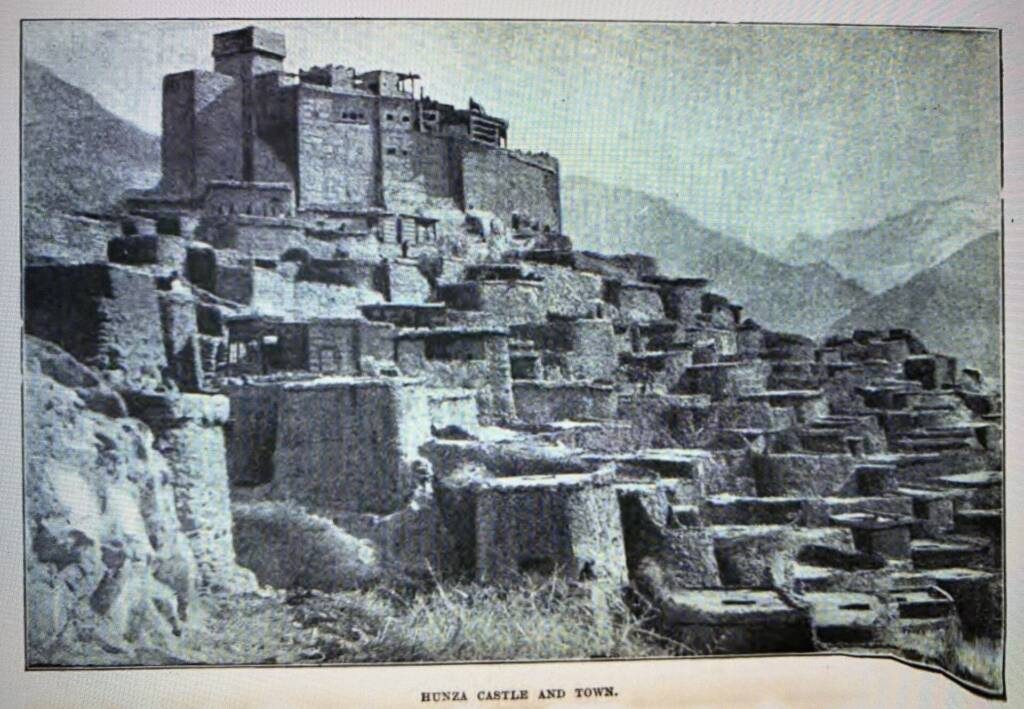
Few places make their history this walkable. Baltit Fort, the 700-year-old seat of the Mirs, stands restored above Karimabad. Its Tibetan-influenced timber architecture recalls the brides and builders who once came over the passes from Baltistan. Older Altit Fort has watched the river from its rock for a millennium.
Along the old road, the Sacred Rocks of Hunza carry carvings left by first-millennium travellers, back when a branch of the Silk Road threaded this gorge. And the princely past is barely past: until 1974 Hunza was a state with its own Mir, and elders in Karimabad remember the court. Our guests walk all of it on the Hunza Cultural Tour, timed with the blossom guide for April’s pink explosion or the Hunza-or-Skardu comparison for first-trip planning. The safety question your family will ask has its honest answer in Is Pakistan safe?
Visiting the Hunza people with respect
The Hunza people are hosts, not exhibits — and our guides come from these communities, which shapes our house rules. Ask before photographing anyone. Accept the tea, always. Then pay orchard prices without the bargaining theatre — apricots this good are not a haggling opportunity. And treat questions about age and health as conversation rather than data collection — nobody enjoys being a specimen. Travellers who arrive this way discover the valley’s actual secret, which was never longevity. It is hospitality with eight hundred years of practice behind it.
Conclusion: better than the myth
The Hunza people do not need inflated birthdays to be extraordinary. A genuinely healthy culture. A language without relatives anywhere on earth. Forts older than most countries, and orchards that turn whole hillsides pink each April. That is the true story, and it stands one short flight and one spectacular drive from Islamabad. Meet it properly, with people who belong to it: the Hunza Cultural Tour, or the full valley circuit on Skardu & Hunza. Local hands, real safety, fair price.
The Hunza people: frequently asked questions
Do the Hunza people really live to 120?
No. The famous claims of routine 120-year lifespans came from mid-century writers working without birth records, and the researchers who followed up — including the Harvard cardiologist who first reported the cases — later retracted the extreme ages. What is true: an active mountain life, a traditional diet low in processed food, and many demonstrably vigorous elders.
What do the Hunza people eat?
Traditionally: apricots fresh and dried, apricot-kernel oil, walnuts, mulberries, barley and wheat chapati, dal, and vegetables in season, with meat as an occasion. Modern shops have changed daily habits, but orchard culture remains the valley’s backbone.
Are the Hunza a ‘Blue Zone’ like Okinawa or Sardinia?
Not officially — certified Blue Zones require verifiable birth records, which historic Hunza lacked. The lifestyle pattern, however, matches the Blue Zone recipe almost exactly: constant moderate movement, simple plant-heavy food and strong community, which is why the comparison keeps being made.
Who are the Burusho and what language do they speak?
The Burusho are the historic community of central Hunza, speakers of Burushaski — a language isolate with no proven relatives anywhere on earth, one of linguistics’ great unsolved puzzles. Wakhi and Shina are also spoken in the wider valley.
Why is literacy so high in Hunza?
Generations of community investment in schooling — particularly through the Ismaili community’s education networks — made central Hunza’s literacy rates, including female literacy, among the highest in Pakistan. Locals cite it with more pride than any longevity legend.
Can travellers visit Hunza villages respectfully?
Yes — Hunza has welcomed guests for decades and hospitality is a point of honour. Ask before photographing people, accept the tea, pay fair prices, and travel with guides who come from these communities.