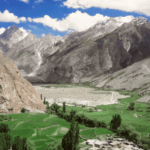
Go to Hunza if this is your first trip to northern Pakistan, if you have a week or less, or if you want good roads, good hotels and plenty to see without walking far. Go to Skardu if you want big empty landscapes, jeep tracks, and the treks that lead towards K2. Hunza is easier. Skardu is bigger. Neither one is a smaller version of the other, and if you have ten days you can do both.
We should say plainly where we stand. We are based in Skardu. Our guides are Balti and this is our home valley, so you would expect us to say Skardu. But we take clients to both, and sending someone to the wrong valley wastes their holiday and costs us a good review. So this page is written to be useful, not to sell you our own postcode. Where Hunza is the better answer, we say so.
Key takeaways
- First time in Pakistan, or under a week? Hunza. Easier roads, more hotels, sights close together.
- Want trekking, jeep safaris or K2? Skardu. It is the gateway to the Baltoro glacier and Concordia.
- They are not far apart. Skardu to Karimabad in Hunza is about 290 km, roughly 5 to 6 hours by road through Gilgit.
- Similar altitude. Skardu town sits at 2,228 m and Karimabad at roughly 2,500 m. The difference is not the air. It is what you do from each.
- Blossom season favours Hunza (mid-March to mid-April). Summer favours Skardu, because Deosai and the treks only open from about June.
- Ten days or more? Do both. One road links them and the drive is one of the best in the country.
The short answer, in one table
If you read nothing else, read this.
| Hunza | Skardu | |
|---|---|---|
| Best for | First visits, couples, families, photography, short trips | Trekkers, climbers, jeep safaris, big landscapes |
| Main town | Karimabad, about 2,500 m | Skardu, 2,228 m |
| Getting there | Fly to Gilgit then 2 hours by road, or drive from Islamabad | Fly direct from Islamabad, or drive |
| Roads | Karakoram Highway, paved and good | Good main road, rough jeep tracks beyond |
| Sights | Close together, most within an hour of Karimabad | Spread out, often a half or full day each way |
| Hotels | Wide choice, including comfortable ones | Decent in town, basic once you leave it |
| Walking needed | Little. You can see most of it from a vehicle | A lot, if you want the best of it |
| Signature sight | Attabad Lake, Baltit Fort, Passu Cones | Deosai plateau, the Baltoro glacier, cold desert |
| Best months | March to October, blossom in late March | June to September for the high country |
| Crowds | Busier, especially in summer | Quieter once you leave town |
| Shortest sensible trip | 4 to 5 days | 5 to 6 days, more for trekking |
Where they are, and how long it takes to reach each
First, both valleys are in Gilgit-Baltistan, the mountain region in the far north of Pakistan. They sit on either side of the city of Gilgit, which is the hinge between them.
Meanwhile, Hunza lies north of Gilgit along the Karakoram Highway, the paved road that runs on to the Chinese border. Skardu lies east of Gilgit, up the Indus river, at the end of a road that was rebuilt a few years ago and is now far quicker than it used to be.
Here is what the travel actually costs you in hours. These are honest driving times with stops, not the best possible run.
Two things matter in that chart.
First, Skardu has its own airport with direct flights from Islamabad, and the flight takes about an hour. Hunza does not. To fly towards Hunza you land at Gilgit and drive about two hours. So on paper Skardu is the easier one to reach quickly.
Second, and this is the catch: mountain flights get cancelled. They fly by sight, so cloud stops them. Never build a trip that falls apart if the plane does not go. Keep a spare day at each end and be ready to drive. Our full breakdown of both routes is in how to get to Skardu.
If you drive, you are on the Karakoram Highway for most of it. That drive is a genuine attraction in itself, not just transport.
What you actually see in Hunza
In short, Hunza is a green, terraced valley with villages built on the slopes and orchards on every flat piece of ground. The mountains stand right above the houses. You get big scenery without walking far, which is why it suits people who are short on time or travelling with children or parents.
The main sights, and how long each takes:
- Karimabad — the main town, and the base for everything else. Cafes, craft shops, viewpoints. Half a day.
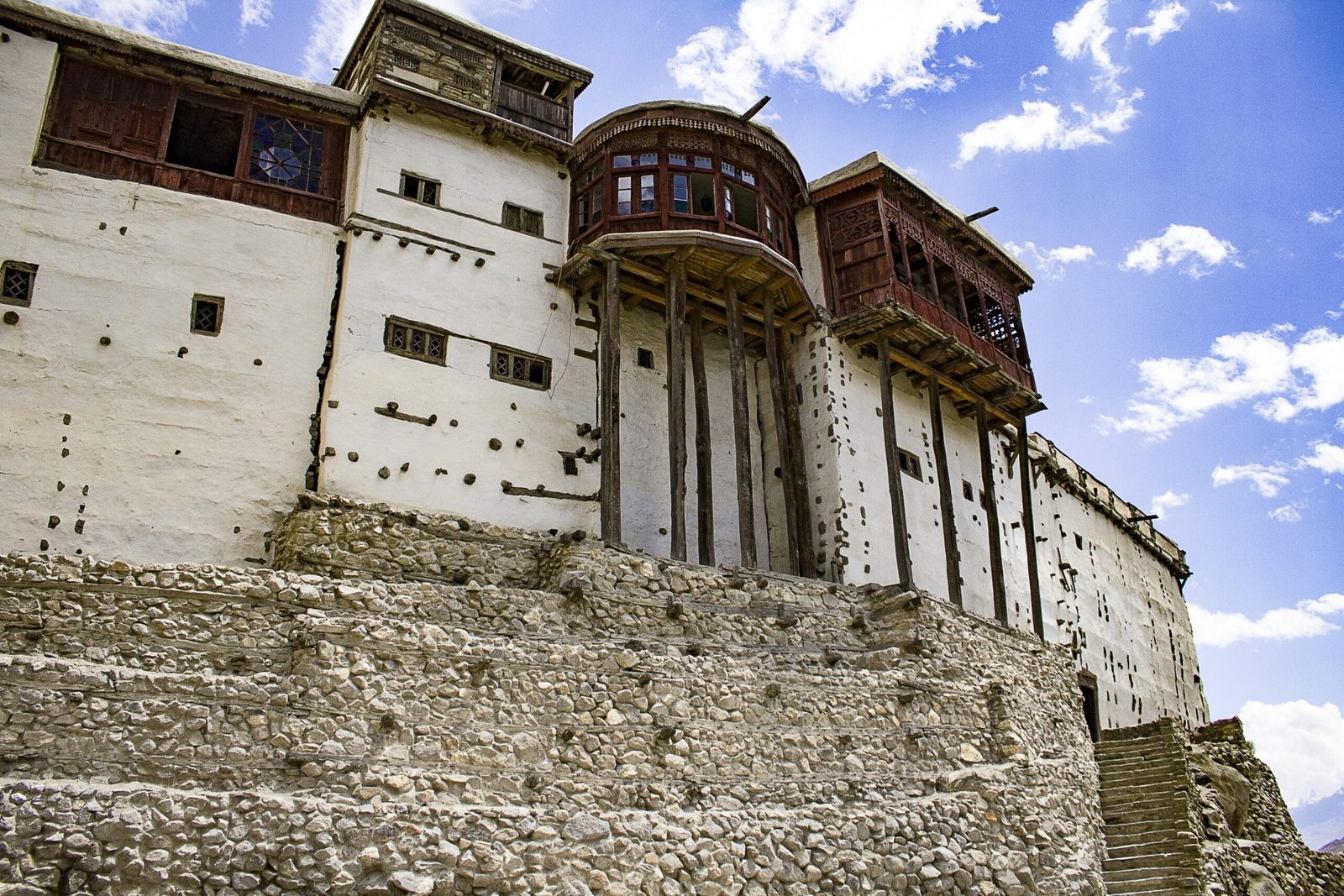
- Baltit Fort — the old home of the Mir, the ruler of Hunza. Roughly 700 to 800 years old in parts, carefully restored in the 1990s by the Aga Khan Trust for Culture. About two hours including the walk up.
- Altit Fort — older than Baltit, around 1,100 years, smaller and quieter, with a lovely garden. Two hours.
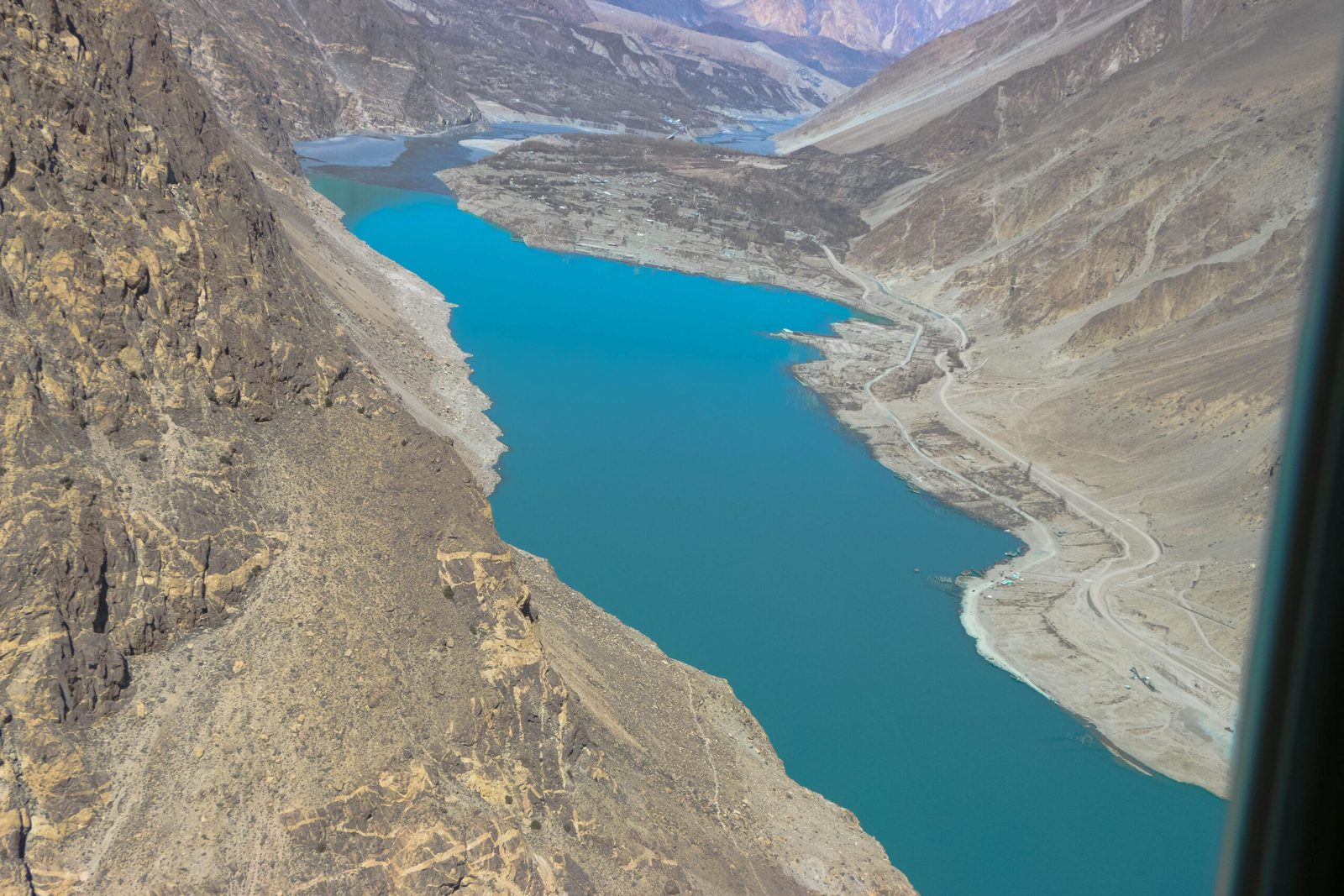
- Attabad Lake — the turquoise lake, about 20 km long, created in 2010 when a landslide dammed the river and drowned several villages. Boats, cafes, viewpoints. Half a day. It is beautiful, and it is worth remembering it exists because people lost their homes.
- Passu Cones — the row of pointed rock peaks everybody photographs, about an hour past Attabad, with the Batura glacier behind. See our Passu and Batura guide. Half a day, more if you walk.
- Khunjerab Pass — 4,693 m, the highest paved border crossing in the world, at the Chinese frontier. A long full day from Karimabad. Details in our Khunjerab guide.
- Rakaposhi viewpoint — you look straight up 6,000 m of mountain from a roadside cafe. Two hours, or several days if you walk to Rakaposhi base camp.
How many days Hunza needs
In any case, add those up and you have four or five full days without repeating yourself. That is the practical case for Hunza: a short trip there feels complete.
What you actually see in Skardu
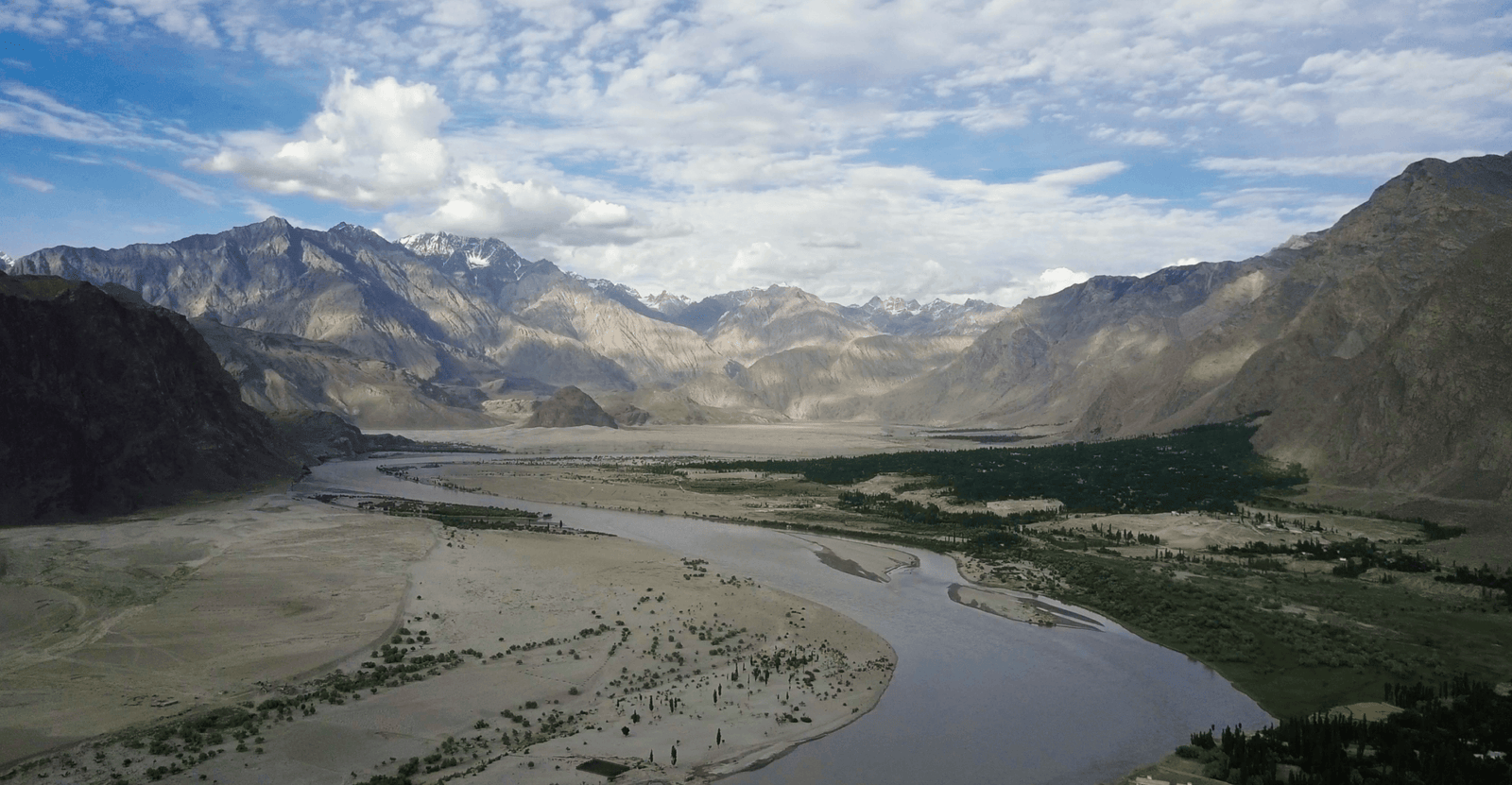
Skardu, by contrast, is a different shape of place. The valley floor is wide, dry and sandy, with the Indus running through it and mountains standing back from the road. It feels emptier. The sights are further apart and the ground gets rougher quickly.
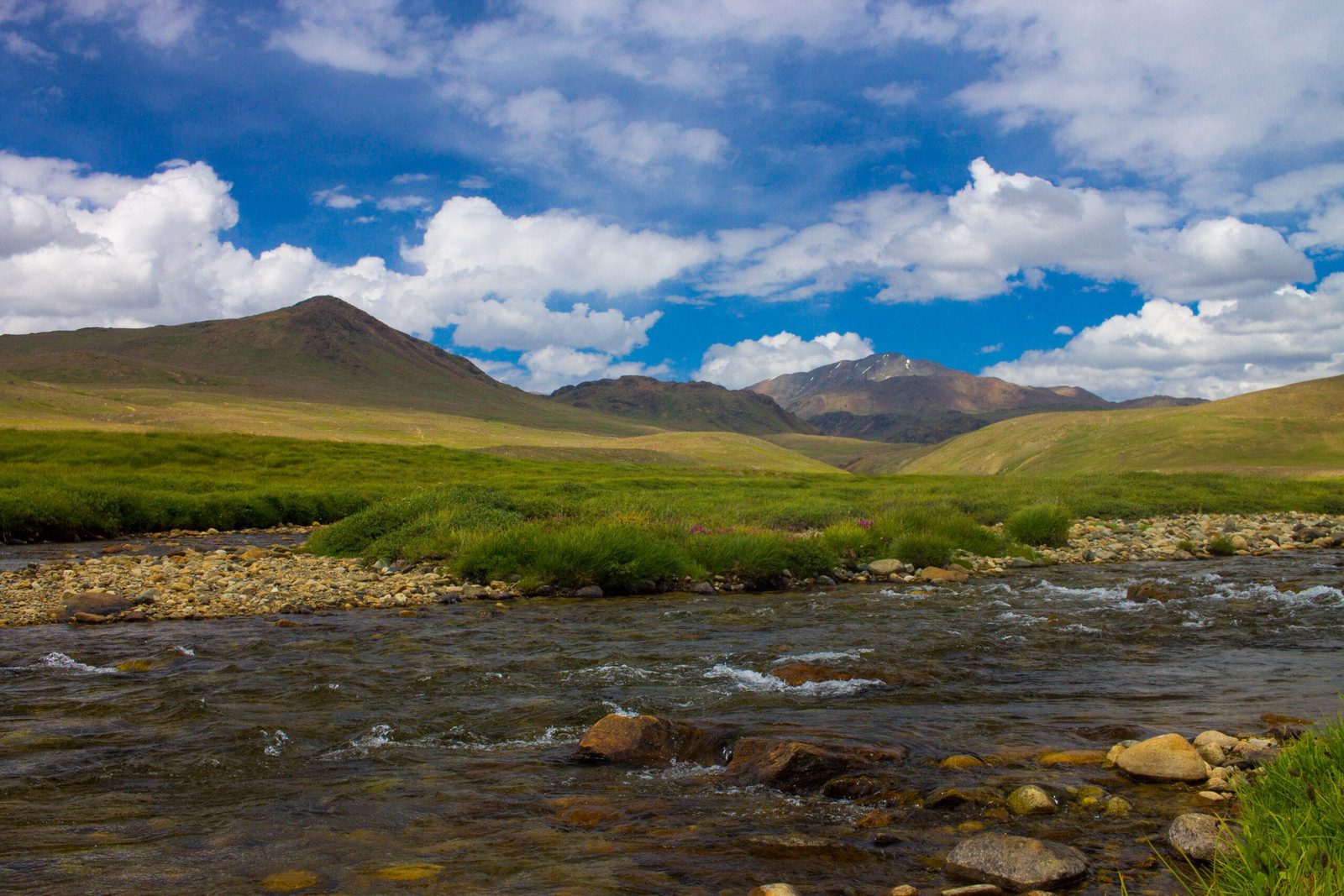
- Deosai National Park — a grass plateau averaging 4,114 m, the second highest in the world, with wildflowers, Sheosar Lake and Himalayan brown bears. Open roughly June to September; snow closes it the rest of the year. A long day, better as two. See our Deosai guide.
- Shangrila and the Kachura lakes — green water, pine trees, about 2,500 m and easy to reach. Half a day. Full guide here.
- Sarfaranga cold desert — sand dunes with snow peaks behind them, which sounds impossible until you see it. Half a day, or a proper jeep safari.
- Shigar — a green side valley with a 17th-century fort, now a heritage hotel, and the road to Askole where the treks start. Shigar guide. Half a day.
- Khaplu — about 100 km east, with a restored palace and quiet villages. A full day, better overnight. Khaplu guide.
- Skardu town itself — Kharpocho fort on its rock, the Manthal Buddha carved into stone, the bazaar. A day of it here.
- The treks — this is the real difference. Askole, the last village, is a 7 to 9 hour jeep ride from Skardu, and from there you walk to the Baltoro glacier, Concordia and K2 base camp. Two weeks and up.
Is one harder than the other?
Yes, and not for the reason most people assume.
Certainly it is not altitude. Skardu town is 2,228 m. Karimabad is around 2,500 m. Karimabad is slightly higher. Nobody should get altitude sickness in either town.
Instead, the difficulty comes from what you do next. In Hunza, the highest thing most visitors do is drive to Khunjerab Pass at 4,693 m and stand there for twenty minutes. That is high, and a few people feel it, but you come straight back down. In Skardu, the good stuff is Deosai at 4,114 m for a whole day, or a trek that lives above 4,000 m for a fortnight. That is where the body starts to complain, and why we send trekkers our acclimatisation guide before they book.
Moreover, the other difference is comfort. In Hunza you sleep in a hotel every night and the road is paved. In Skardu you sleep in a hotel in town, then in a guesthouse, then in a tent, and the last stretch of road is often a jeep track above a drop. Neither is dangerous when it is run properly. One is simply more work.
Culture and daily life
Furthermore, the two valleys are not the same culture, and travellers notice. Hunza speaks Burushaski and, further north, Wakhi. Baltistan speaks Balti, a language related to Tibetan, and the older buildings look it. Hunza is largely Ismaili, and travellers often find the atmosphere relaxed and informal. Baltistan is largely Shia and a little more conservative in dress and daily custom.
Practically, that means: in Skardu, dress modestly — long sleeves, long trousers or a long skirt — and you will be met with real hospitality. In Hunza the same dress is polite but people are used to visitors. Neither valley is difficult for foreign travellers, including women. Both are places where being a guest still means something.
When to go: month by month
First, March and April go to Hunza. The blossom is the reason. Apricot, cherry, almond and apple trees flower across the terraces, and the valley turns white and pink for about three weeks. Lower Hunza flowers first, around the second week of March. Karimabad peaks in late March and early April. Upper Hunza around Gulmit and Passu comes later, into mid or late April. Most of it is apricot, not cherry, whatever the tour names say. Our blossom guide has the timing in detail.
Then June to September goes to Skardu. This is when Deosai is clear of snow, when the jeep tracks are open, and when the treks run. If you come to Skardu in April you will have a good time, but Deosai will be shut and the mountains will still be locked up.
Finally, October is beautiful in both, when the poplars turn gold. Nights get cold. November to February is winter. Some hotels close, passes shut, flights get cancelled more often. Skardu in winter is stark and quiet and photographers love it, but it is not a first trip. There is a fuller picture in our season-by-season guide.
Which one costs more?
Overall, they cost about the same for the same kind of trip. What moves your bill is not the valley, it is the shape of the holiday.
- Days. The biggest factor by far. Everything else is noise next to it.
- Group size. A jeep and a guide cost the same for two people as for six, so the price per person drops sharply as the group grows.
- Flying or driving. Flights cost more in money and save two days. Driving costs less and eats those days.
- Camping or hotels. Hunza has more mid-range and comfortable hotels. In Skardu, once you leave town, you are into guesthouses and then tents.
- Trekking. This is the real gap. A trek needs porters, cooks, permits and equipment, and none of that applies to a valley tour. A Hunza sightseeing week and a Baltoro trek are not the same product.
We do not print prices, because a number posted once goes stale and then misleads someone. Tell us your dates, how many of you there are and what you want to see, and we will send back a real itemised cost. Fair price, no corners cut on guides, food or safety.
Choose Hunza if…
- This is your first trip to Pakistan.
- You have seven days or fewer.
- You want to see a lot without walking far.
- You are travelling with young children or older parents.
- You want a comfortable hotel every night.
- You are coming in March or April for the blossom.
- You care about forts, villages and terraced landscape more than empty wilderness.
Choose Skardu if…
- You want to trek, or to see K2 and the Baltoro.
- You like big, empty, dramatic country and do not need it comfortable.
- You want jeep safaris, cold desert and high plateau.
- You are coming between June and September.
- You would rather see fewer people than more.
- You want a direct flight from Islamabad rather than a flight plus a drive.
- You have been to northern Pakistan before and want the next step.
Or do both — here is how
Of course, with ten days or more, do not choose. One road connects them, through Gilgit, and it takes about five to six hours between Karimabad and Skardu. That drive follows the Indus through some of the deepest gorges on earth and is worth doing in daylight.
A sensible ten-day shape, and the one we book most often:
- Days 1–2. Fly Islamabad to Skardu. Rest, town, Kharpocho fort, the bazaar. Keep day 2 loose in case the flight slipped.
- Day 3. Shigar valley and fort, or the Kachura lakes and the cold desert.
- Day 4. Deosai, if you are travelling between June and September.
- Day 5. Drive Skardu to Karimabad through Gilgit. A full travel day, and a good one.
- Days 6–7. Hunza: Baltit and Altit forts, Karimabad, Attabad Lake.
- Day 8. Upper Hunza — Passu Cones, the Batura glacier, or on to Khunjerab Pass.
- Day 9. Drive to Gilgit and fly out, or start the long drive south.
- Day 10. Spare. Keep it. In these mountains you will use it.
Do it in that direction — Skardu first, Hunza second — if you are flying into Skardu, because the Skardu flight is the one you most want a buffer around. If you are driving up from Islamabad, do Hunza first and come back through Gilgit to Skardu.
The real risks, named
Above all, the dangers in both valleys are ordinary ones, and they are not what people picture before they come. They are roads — long mountain drives, rockfall after rain, and drivers who are tired. They are weather, which strands flights and closes passes with no notice. And on the Skardu side they are altitude, once you go above about 3,500 m. We use our own drivers rather than whoever is cheapest at the stand, we do not drive those roads at night, and every trip that goes into the high country carries a satellite phone with an evacuation plan agreed before we leave — who we call, which helicopter operator, which insurer guarantees payment. Helicopter rescue in Pakistan is neither free nor automatic: it needs a financial guarantee, and bad weather can ground it for days. Check that your policy covers helicopter evacuation at the altitude you will reach; our insurance guide explains what to look for.
Permits and visas
For ordinary sightseeing in Hunza or Skardu you do not need a special trekking permit — these are open areas. You do need a Pakistani visa, and which one matters. If you are only travelling by road and staying in valleys, a tourist visa is right. If you are trekking or climbing, you need the Trekking and Mountaineering category instead, and peaks above 6,500 m need a separate climbing permit and royalty arranged through the Alpine Club of Pakistan. Processing takes longer than people expect, and restricted-zone paperwork longer still, so start early and apply through a licensed operator who can issue your invitation letter. We do that for our clients. Full details in our Pakistan visa guide.
Whichever you pick, we run it. The 6-day Skardu Tour Package from $480 covers the forts, Deosai and Khaplu around the Islamabad flight; the 7-day Hunza Valley Tour Package from $860 takes the Karakoram Highway to the forts, Attabad and Khunjerab. Cannot choose? The 7-day Skardu & Hunza Tour from $876 does both valleys in one loop.
Frequently asked questions
Is Hunza or Skardu better for a first trip to Pakistan?
Hunza, for most people. The roads are better, the hotels are better, the sights are closer together, and you can see a great deal in four or five days without long drives or walking. Skardu rewards a second trip, or a first trip by someone who specifically wants trekking and wilderness.
How far is Hunza from Skardu?
About 290 km by road, which takes roughly five to six hours through Gilgit. Skardu to Gilgit is around 170 km and three to four hours; Gilgit to Karimabad is about 95 km and one and a half to two hours. There is a longer summer-only route over the Deosai plateau and through Astore, around 330 km and eight hours, which is spectacular but slow.
Can I visit both Hunza and Skardu in one trip?
Yes, and with ten days or more you should. One road links them through Gilgit. A common shape is two or three days in Skardu, a travel day, three days in Hunza, then out via Gilgit — always with a spare day for weather.
Which is easier to reach from Islamabad?
Skardu, in theory, because it has direct flights of about an hour. Hunza has no airport: you fly to Gilgit and drive two hours, or drive the whole way. But mountain flights are cancelled for cloud, so do not treat either as guaranteed. By road, Hunza is the shorter drive.
Which is better in April?
Hunza, clearly. Blossom season runs from about mid-March to mid-April and it is the prettiest time in the valley. In April, Skardu is pleasant in the valley but Deosai is still under snow and the treks have not opened.
Which is better for trekking?
Skardu, and it is not close. Skardu is the gateway to the Baltoro glacier, Concordia and K2 base camp, plus Gondogoro La and the Hushe valley. Hunza has good treks too — Rakaposhi base camp, Patundas, the Batura glacier — but Skardu is where the big Karakoram routes begin.
Is Skardu colder than Hunza?
Not because of altitude — Skardu town is 2,228 m and Karimabad is a little higher at roughly 2,500 m. Skardu’s valley floor is drier and more open, so days and nights swing further apart. Both are cold at night from October onwards, and both are proper winter from December to February.
Which is cheaper, Hunza or Skardu?
They are broadly similar for the same style of trip. What changes the cost is the number of days, the size of your group, whether you fly or drive, and above all whether you are trekking. A trek needs porters, cooks, permits and equipment, and costs far more than a valley tour in either place.
Do I need a permit for Hunza or Skardu?
Not for normal sightseeing — both are open areas. You need a Pakistani visa, and trekkers and climbers need the Trekking and Mountaineering visa category rather than a tourist visa. Peaks above 6,500 m need a separate climbing permit and royalty. Rules change between seasons, so confirm before you travel.
Is it safe to travel in Hunza and Skardu?
Both are among the more settled parts of the country and receive foreign visitors every season, including women travelling alone. The genuine risks are practical ones: mountain roads, weather that strands you, and altitude if you go high. Check your government’s current travel advice before you book, since advice changes, and travel with an operator who plans for the road and the weather rather than hoping.
Is Hunza too touristy now?
Hunza is the busiest part of northern Pakistan, and in July and August Karimabad and Attabad Lake are genuinely crowded, mostly with Pakistani visitors. It is still beautiful. If crowds bother you, go in May or late September, or base yourself in upper Hunza around Gulmit and Passu instead of Karimabad.
Which has better food and hotels?
Hunza, for choice and comfort — there are cafes, bakeries and a range of hotels from simple to genuinely comfortable, plus the local apricot and walnut cooking Hunza is known for. Skardu town has decent hotels and good Balti food, but the range narrows quickly once you leave town, and on trek you eat what the cook carries.
Not sure which one suits you? Ask us.
Tell us your dates, how many days you have and what you want out of the trip, and we will tell you honestly which valley fits — even when the answer is Hunza and we are sitting in Skardu. Then we will send a real itinerary and an itemised cost. You deal with the Balti team who run the trip, not a broker who sells you on.
WhatsApp: +92 312 9921574 · Email: info@karakoramventure.com
Sources & attribution: elevations and site details from Wikipedia entries for Skardu, Karimabad, Baltit Fort, Attabad Lake, Deosai National Park and Lower Kachura Lake; road distances and journey times from Pakistani travel and transport sources cross-checked against our own driving times; blossom timing from regional tour operators and our own seasons. Figures are approximate and conditions change year to year — we confirm current road, flight and permit status before every departure. Images: Akbar Khan Niazi (CC BY-SA 3.0), Waqas Afzal (CC BY-SA 4.0), Arsalan Majid (CC BY-SA 4.0) and Moniszubair (CC BY-SA 4.0) — all via Wikimedia Commons.