
 EN
 العربية
 Deutsch
 Español
 Français
 Italiano
 Polski
 Русский
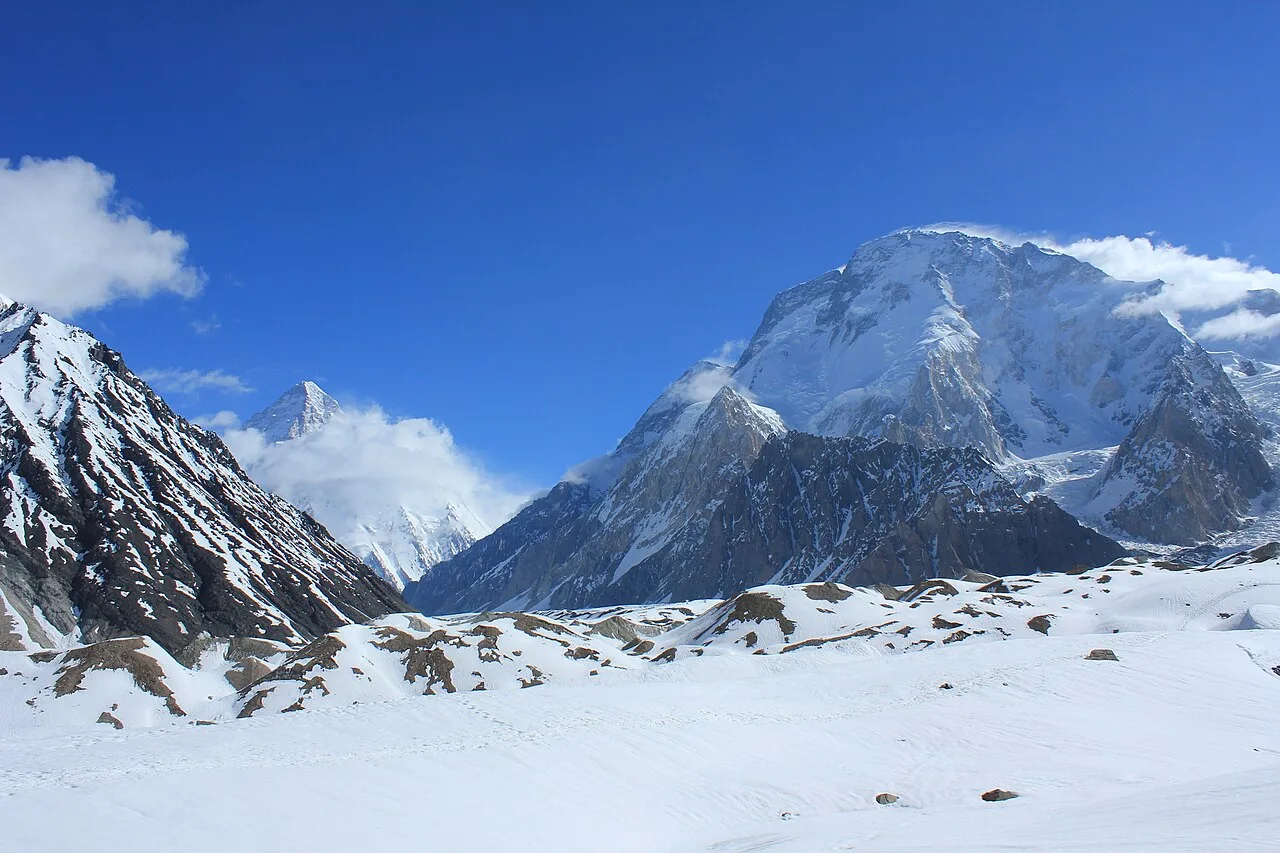
On the Baltoro Glacier you will have no mobile signal at all, so the real connectivity plan for a K2 Base Camp trek is a satellite phone carried by your team, plus a last round of messages sent from Skardu. Our own pages say this plainly: "there is none on the Baltoro, which is why we carry a satellite phone". Everything else in this guide, the Pakistani SIM card, Wi-Fi, phone registration, is about the parts of the trip where signal does exist: the cities, the main valleys and the Karakoram Highway. We have kept it to what we can source. Where we cannot, we say so.
Will my phone work on a Pakistan trek?
In towns, mostly yes. In the mountains, no. That is the shape of it, and it is the same shape in every guide we have written.
Here is what our own pages say, region by region.
| Place | What our pages say |
|---|---|
| Skardu to Askole | Askole is "last village, last phone signal" on our Baltoro expedition guides. The Askole guide says there is "no dependable mobile network" there and none on the Baltoro. |
| Baltoro, Concordia, K2 Base Camp | No signal. The insurance guide notes "there's no 4G office on the Baltoro Glacier". "No teahouses, no lodges, no wifi" at K2 Base Camp. |
| Deosai plateau | "No mobile coverage on the plateau". |
| Hunza and Gojal | Attabad Lake: "Mobile coverage is patchy the further north you go". The Khunjerab guide says mobile coverage disappears "well before Sost". |
| Hispar, Hushe, Arandu, Shimshal and other end-of-road villages | The last village is the last signal; above it, none. |
Our general safety guide gives the planning rule in one sentence: "assume no signal beyond the roadheads and let the sat phone be the plan, not your SIM card." That is the whole philosophy. A SIM card is for convenience. A satellite phone is for emergencies. Do not confuse the two.
Can a tourist buy a Pakistani SIM card?
Yes, with identity checks. A web search for current rules found that visitors can buy a SIM card in Pakistan if they meet the biometric requirements: shops typically ask for a passport and visa, with a thumbprint and a signature. The SIM is registered to you against your passport by a Pakistani operator. The same sources say the operators' eSIMs go through the same passport and biometric process.
We do not publish SIM prices or data-plan sizes. We have no dated source for them, and they change.
A practical note from our own safety writing for women travelling alone: "Get a local SIM card on arrival so you can call your driver, hotel or operator." Good advice for anyone. Do it at the airport or in the first big city, not in a valley.
What is DIRBS, and do I need to register my phone?
DIRBS is the Pakistan Telecommunication Authority's device identification and registration system. The question is whether the phone you carry from home will keep working on a Pakistani SIM for the length of your stay.
What we found: PTA offers a free temporary registration, online, for one personal phone. According to the search results, foreigners enter passport details and the mobile number tied to that passport, and the registration lasts 120 days; apply more than 30 days after arrival and the window is shorter. The same results say a foreign SIM used on roaming does not need registering.
Most trekkers stay less than a month, so this is likely a non-issue for a short trip, but we cannot say that from a source. Check before you fly.
Which networks work in Skardu and Hunza?
We will not rank networks. We have no evidence that would let us call one "best", and coverage in the mountains is patchy for everyone.
What we can say, with sources:
- Gilgit-Baltistan has a regional operator. The Special Communications Organization (SCO), a public sector organization, runs a mobile network called SCOM that provides 2G, 3G and 4G in Gilgit-Baltistan and Azad Kashmir, according to Wikipedia. Wikipedia says SCO was founded on 16 July 1976, and that in 2015 the Chief Minister of Gilgit-Baltistan proposed that SCO connect the unconnected parts of the Karakoram Highway with cellular networks.
- Zong says it brought 4G to Gilgit-Baltistan through a partnership with SCO. Its press release of 21 August 2024 says the network was "live city wide in Gilgit, Hunza and Skardu", with 59 4G sites being rolled out in more than 15 cities, and names Gilgit, Astore, Skardu and Hunza among the places already served.
That is a company press release from 2024, and it speaks about city coverage, not trail coverage. It tells you that a mainland carrier SIM can work in the cities of Gilgit-Baltistan. It does not tell you what you will get at a given hotel in 2027.
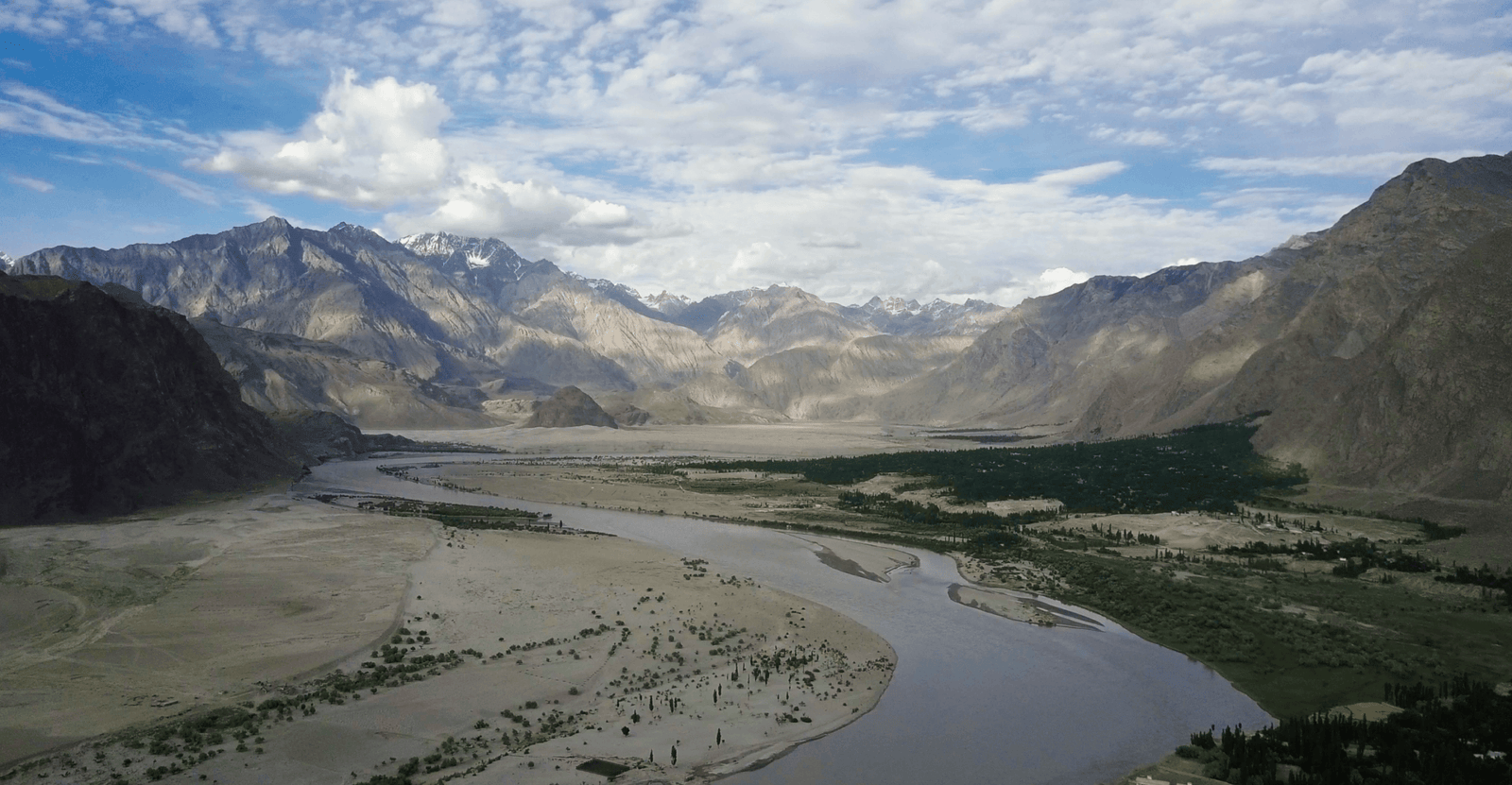
The sensible plan for Skardu: do your last long calls and your uploads there. The route to the trailhead leaves signal behind. Our Askole guide says it directly: "Send your last messages from Skardu and give your family a realistic date for the next contact."
What about Wi-Fi?
We have no sourced claim about hotel Wi-Fi in Skardu, Karimabad or Passu, so we make none. What our pages do say is where there is none: K2 Base Camp has "no teahouses, no lodges, no wifi", and our trek pages describe camping from the roadhead.
If you need to work remotely on part of the trip, plan that part around the cities and say so when you write to us, so we can build the days around it.
How do our treks handle communication?
Every expedition we run carries a satellite phone. The K2 Base Camp Trek (Classic) lists "Satellite phone and daily safety monitoring throughout" under what is included, and its FAQ says: "Every Karakoram Venture expedition carries a satellite phone for camp communication, and in a real emergency helicopter rescue can be arranged through our regional contacts." The same FAQ is blunt about money: the cost of a helicopter evacuation "is borne by the client and settled through their insurance, not bundled into the trek price." That is why insurance is mandatory on the high-altitude treks. The K2 Base Camp Trek (Classic) terms ask for cover for emergency evacuation above 6,000 m. Our insurance guide covers what to buy.
The Karakoram Highway Tour page also lists a "Satellite phone with the guide and a real evacuation plan, the same safety system we run on our expeditions." The Skardu Hunza Tour page we read does not mention a satellite phone, so we make no claim for it.
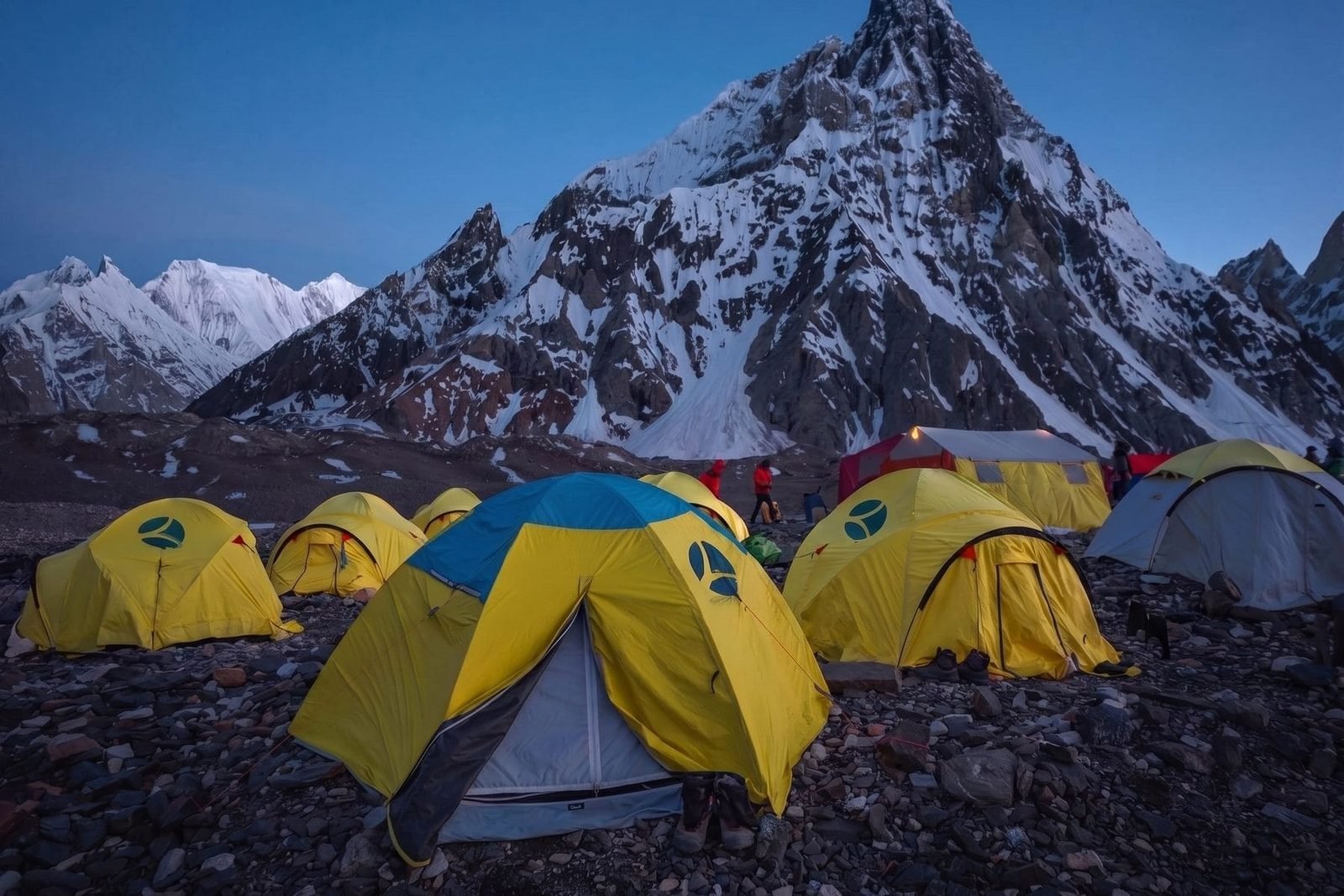
Wikipedia gives the general definition: a satellite phone "connects to the public switched telephone network through orbiting satellites instead of terrestrial cell sites", so it works where there is no cell coverage but needs a line of sight to a satellite. In practice that means it is a tool for the guide, not a toy for the group. The team's phone is for emergencies and for logistics.
Can you bring your own satellite phone or tracker?
We have no sourced rule on importing a satellite phone or messenger device into Pakistan, so we do not give an answer. If you plan to bring one, ask us first.
How should you tell family you will be out of contact?
Give them a plan before you leave, not after. Our Askole guide's advice is to give your family a realistic date for the next contact. What helps most: the trip dates, the days with the longest silence (on the K2 Base Camp trek, the glacier days), the name and number of our office, and the fact that the team has a satellite phone.
A final point on timing: build buffer days into your itinerary. Skardu flights are cancelled for weather, and a cancelled flight turns a planned day on a road into a day with a phone. Our guide to getting to Skardu explains the options.
Ready to plan a trip where being offline is the point?
For the glacier itself, see the K2 Base Camp Trek (Classic), 21 days, from $2,300 per person in a group of seven to ten ($2,875 for four to six); for a trip that mixes the cities and the valleys, see the Skardu Hunza Tour and the Karakoram Highway Tour. A 10% deposit (minimum $50) confirms your place on each; the K2 Classic balance is due two weeks before arrival, or you can pay on arrival in Islamabad. Message us on WhatsApp with your dates and tell us how connected you need to be; we will tell you where that is possible.
Frequently asked questions
Is there mobile signal on the K2 Base Camp trek?
No. Our Askole guide says coverage is patchy at best in the upper Braldu valley and that there is none on the Baltoro. Our teams carry a satellite phone for emergencies.
Can a foreigner buy a SIM card in Pakistan?
Yes, according to the sources we found, with a passport and biometric checks, and the SIM is registered to you. Confirm the current rules on the PTA site before you travel.
Do I need to register my phone with PTA?
Possibly. PTA runs a temporary registration for visitors' phones on its DIRBS system, but we have only seen the details in search-result summaries. Check dirbs.pta.gov.pk.
Which Pakistani network is best in Skardu and Hunza?
We do not know of a dated source that settles it, so we do not name one. Zong said in August 2024 that its 4G was live city wide in Gilgit, Hunza and Skardu through a partnership with SCO, the regional operator.
Is there Wi-Fi at K2 Base Camp?
No. Our guide to K2 Base Camp compares it with Everest and says: "No teahouses, no lodges, no wifi."
What happens in an emergency with no phone signal?
The team uses the satellite phone to call our regional rescue contacts. Helicopter evacuation costs fall to you and your insurer, which is why insurance with evacuation cover is mandatory on high-altitude treks.
Written by Zulfiqar Ali, founder of Karakoram Venture. Operator and mountain statements are from our published 2027 pages; telecom details are cited to the source named and dated, and should be re-checked before you travel.