
 EN
 العربية
 Deutsch
 Español
 Français
 Italiano
 Polski
 Русский
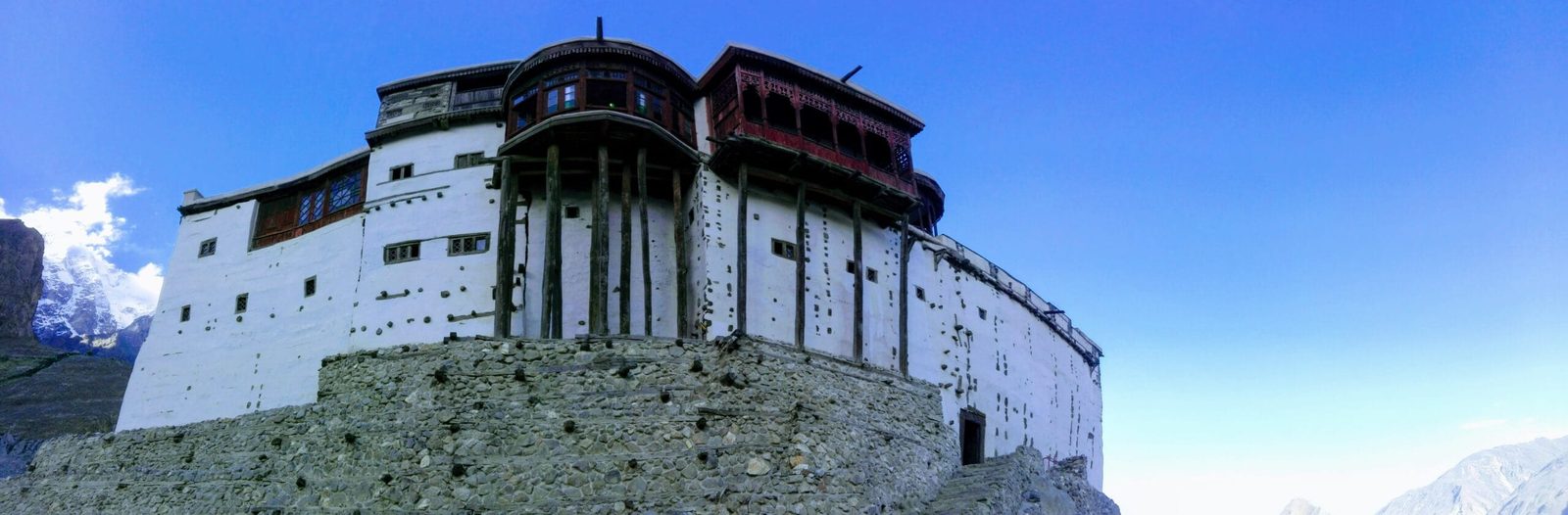
The Hussaini Suspension Bridge is a 194 m pedestrian footbridge over the Hunza River, built for local people and now crossed by tourists, and whether to walk it is your decision, not a thing we can decide for you. It is not a road and not a ride; it is a path of wooden planks between two villages. This guide says what the sources actually say about it, where it is (it is at Hussaini, not in Passu village, though the two are near each other), which of our tours pass it, and how to think about the crossing honestly. We give no safety statistics, because we have none, and we do not repeat the internet's more dramatic claims.
What is the Hussaini Suspension Bridge?
Wikipedia calls it "a pedestrian hanging bridge over the Hunza River in Gilgit Baltistan's Karakoram range", originally built for local access, now a popular tourist attraction "due to its striking structure and dramatic location". It connects the villages of Hussaini and Zarabod in Upper Hunza, and is reached by a path from the Karakoram Highway. A bridge at the site was originally built around 1968; after the 2010 Attabad landslide it was reconstructed later.
The structure is simple to describe. It is 194 m (635 ft) long, made of rectangular wooden planks held by six main ropes, with wider gaps left between consecutive planks to resist wobbly vibrations when the wind pushes the structure.
That description explains the look: a long, narrow, open walkway above a fast river. It does not describe a ride or an attraction built for visitors. It is a working crossing that happens to be photogenic.
Is the Hussaini Bridge in Passu?
Not exactly. This matters if you are planning a trip, and it is the first thing the search term gets slightly wrong.
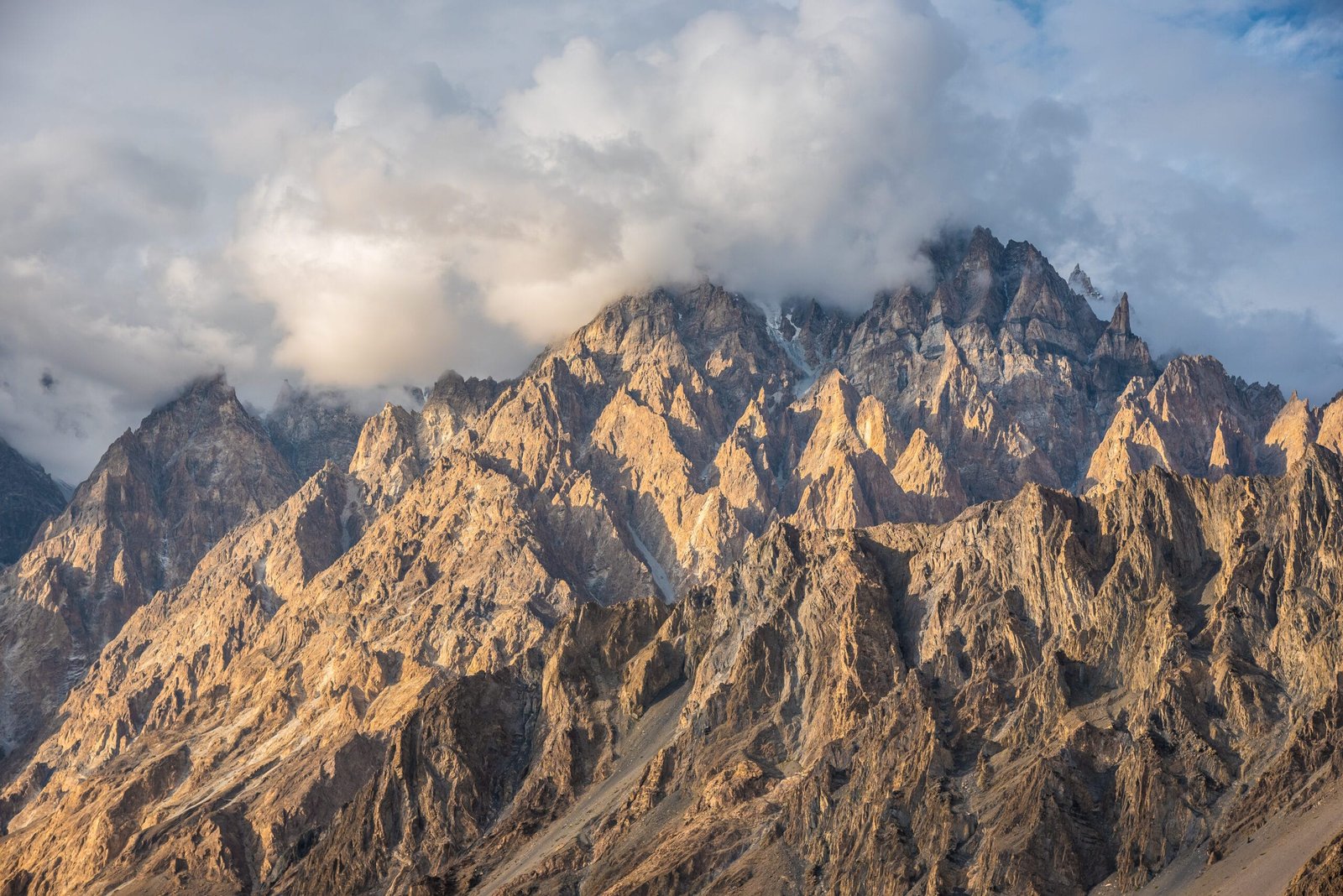
Wikipedia places the bridge in the Gojal area of Hunza District, linking Hussaini and Zarabod. Passu is a different village along the same highway. Wikipedia describes Passu as a small village in Gojal on the Karakoram Highway, known for views of Passu Sar (7,478 m), the Passu Glacier, the Batura Glacier and the Passu Cathedral (Tupopdan, 6,106 m). Our own Passu guide describes the bridge as "a few kilometres south" of Passu, with Borith Lake "up a side track".
So most people say "Passu" because that is where they sleep and where the famous peaks are. In practice, "the Hussaini Bridge near Passu" is the accurate phrase.
Where does it sit in Upper Hunza?
Wikipedia puts the bridge about 45 km from Aliabad. Gulmit is the administrative centre of Upper Hunza, and Wikipedia says Passu is about 20 km from Gulmit. Borith Lake lies about 2 km north of Hussaini village, at an elevation of about 2,600 m, reached by a 2 km paved route from Hussaini village, which lies next to Gulmit. The lake is a saline body of water and a sanctuary for migrating wildfowl; the article says ducks arrive from March to June and again from September to November.
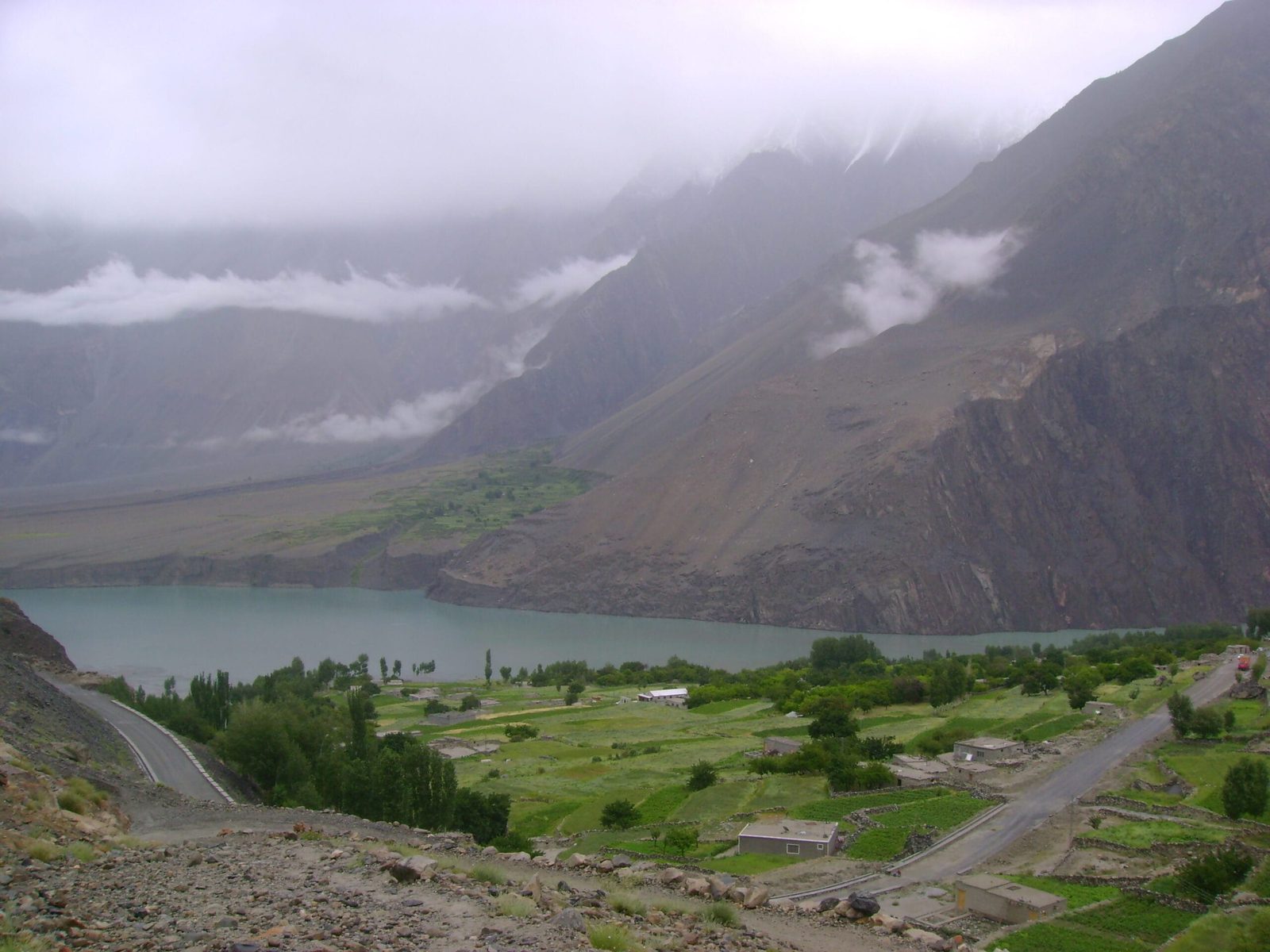
The lake and the bridge sit in the same stretch of valley, which is why they are usually visited together. It is also the stretch of the Karakoram Highway that runs beside Attabad Lake, formed on 4 January 2010 when a landslide dammed the Hunza River. Wikipedia says the landslide claimed twenty lives and displaced about 6,000 people. We cover that story in our Attabad Lake guide, and it is the backdrop to the bridge's reconstruction.
Is it really "the most dangerous bridge in the world"?
We could not find a source that supports that exact claim. What the sources do say is smaller.
Wikipedia says that in 2013 the American travel magazine Condé Nast Traveler listed the bridge among the dangerous cross bridges in the world. That is a magazine's list, not a safety ranking, and we have not read the original article.
The phrase you see on social media is a different thing: it is a caption, repeated. We have no figure for how many people cross, how many are injured, or how the risk compares with any other bridge, and we would rather say that than invent one. Anyone offering a percentage or an incident count is guessing, unless they can point to an official record.
There is one incident in the sources we read. Wikipedia records that in July 2022 a student from Sindh reportedly died of drowning in the Hunza River after falling from the bridge, and that the bridge was sealed off for some days during the investigation. We include it because a fair article about the risk should not leave it out, and we do not draw a rate from it. It is one reported event in one article.
So how risky is the crossing in practice?
The honest answer has three parts, and none is a statistic.
It is a long, open, moving walkway over a river. Wikipedia describes the planks as wooden, with larger gaps between them, and the structure as one that moves in the wind. Our own tour pages describe it in the same spirit: "the swaying Hussaini suspension bridge for the brave" (Hunza Valley Tour Package) and "walk out on the Hussaini suspension bridge if you have the nerve" (Karakoram Highway Tour).
It is a precaution-based crossing. Wikipedia says tourists who want to cross "have to follow some necessary precautions such as the use of life jackets". We do not know whether that is the rule on the day you arrive. Follow whatever the people managing the bridge ask of you on the day.
It is optional. Nobody has to cross to see Hunza. Our own Hunza Valley Tour page treats it as an extra on a day that also has Attabad Lake, Gulmit and the Passu Cones. The view of the bridge and the river is good from the near end, and you can decide at the entrance.
If you are afraid of heights, if you have a medical condition that could make you unsteady, or if you are travelling with young children, the sensible choice is to look and not cross. That is advice from a tour operator, not from an engineer. We say no more than that.
Can you cross it?
Tourists do cross it. Wikipedia describes it as a popular tourist attraction and says visitors "follow some necessary precautions". We cannot tell you the exact rules for 2027, which is why they are marked above for an on-site check. Ask your guide on the morning, and do not cross if the structure, the weather or the people running it give you any reason to hesitate. Wikipedia's note that the bridge was sealed for some days after the 2022 incident is a reminder that access can change.
If you do cross, a few sensible habits cost nothing: keep your phone in a zipped pocket and your hands free, do not stop in the middle to take photographs that block others, and cross in daylight. These are common-sense points from us, not rules from a source.
Which of our tours pass the Hussaini Bridge?
Several itineraries stop in Gojal, and the bridge is named in some of them but not all. This is exactly what the pages say.
| Tour | What the itinerary says about the bridge | Length, price |
|---|---|---|
| Hunza Valley Tour Package | Day 4: Attabad Lake, Gulmit, "the swaying Hussaini suspension bridge for the brave" and the Passu Cones | 7 days, $1,100 per person in a group of four to six |
| Karakoram Highway Tour | Day 7: "Stop at Gulmit and walk out on the Hussaini suspension bridge if you have the nerve" | 12 days, $1,950 per person in a group of four to six |
| Nanga Parbat & Rakaposhi Base Camp Trek | Day 10: "the swaying Hussaini suspension bridge" among Passu, Batura Glacier and Attabad Lake | 12 days, $1,500 per person in a group of two to four |
| Skardu Hunza Tour | Day 6 names Attabad Lake, the Passu Cones and Gulmit village, not the bridge | 7 days, $1,100 per person in a group of four to six |
If the bridge is the main reason you are coming, our Hunza Valley Tour Package is the 7-day option that names it, and our Karakoram Highway Tour is the longer road trip. For where to sleep in the area, our Hunza stays comparison covers Gulmit and Passu. For the mountains behind the village, read our Passu Cones and Batura Glacier guide.
What else is there to do nearby?
Borith Lake is the usual add-on. Wikipedia describes a one-hour trek each way from the lake area to Hussaini Glacier, and a longer 4 to 5 hour walk from Ghulkin to Passu that crosses Ghulkin Glacier and passes Borith Lake. Our Karakoram Highway Tour has a slower day for it: "Walk to the Batura glacier snout above the highway and up to Borith Lake at about 2,600 m under the Passu Cones". Our Eagle's Nest Sunrise & Borith Lake Day Tour combines the lake with sunrise at Duikar, from $65 per person.
Ready to see Gojal for yourself?
The easiest way to see the bridge, Passu and Attabad Lake together is a Hunza trip that includes Gojal. See the Hunza Valley Tour Package, the Skardu Hunza Tour for Skardu and Hunza in one week, or the Karakoram Highway Tour for the whole road. A 10% deposit (minimum $50) confirms your place on each. Message us on WhatsApp with your dates and tell us whether you want to walk the bridge or just see it.
Frequently asked questions
Where is the Hussaini Suspension Bridge?
Over the Hunza River in Gojal, Upper Hunza, linking Hussaini and Zarabod villages, reached by a path from the Karakoram Highway. It is near Gulmit and a few kilometres south of Passu.
How long is the Hussaini Suspension Bridge?
Wikipedia gives its length as 194 m (635 ft). It is made of wooden planks held by six main ropes.
Is the Hussaini Bridge the most dangerous bridge in the world?
We found no source that says so. Wikipedia says Condé Nast Traveler listed it among the dangerous bridges in 2013. We have no incident statistics and give none.
Can tourists walk across the Hussaini Bridge?
Yes, tourists cross it. Wikipedia says visitors have to follow precautions such as wearing life jackets; check the rules on the day.
Do I have to cross it?
No. It is optional. You can enjoy the view from the near end and decide at the entrance. If you are unsure, do not cross.
Which of your tours visit the Hussaini Bridge?
The Hunza Valley Tour Package (day 4), the Karakoram Highway Tour (day 7) and the Nanga Parbat & Rakaposhi Base Camp Trek (day 10) all name it in their itineraries.
Written by Zulfiqar Ali, founder of Karakoram Venture. Geography and history read from Wikipedia on 12 November 2026; trip details are our published 2027 pages. Check conditions on site before you cross.