
 EN
 العربية
 Deutsch
 Español
 Français
 Italiano
 Polski
 Русский
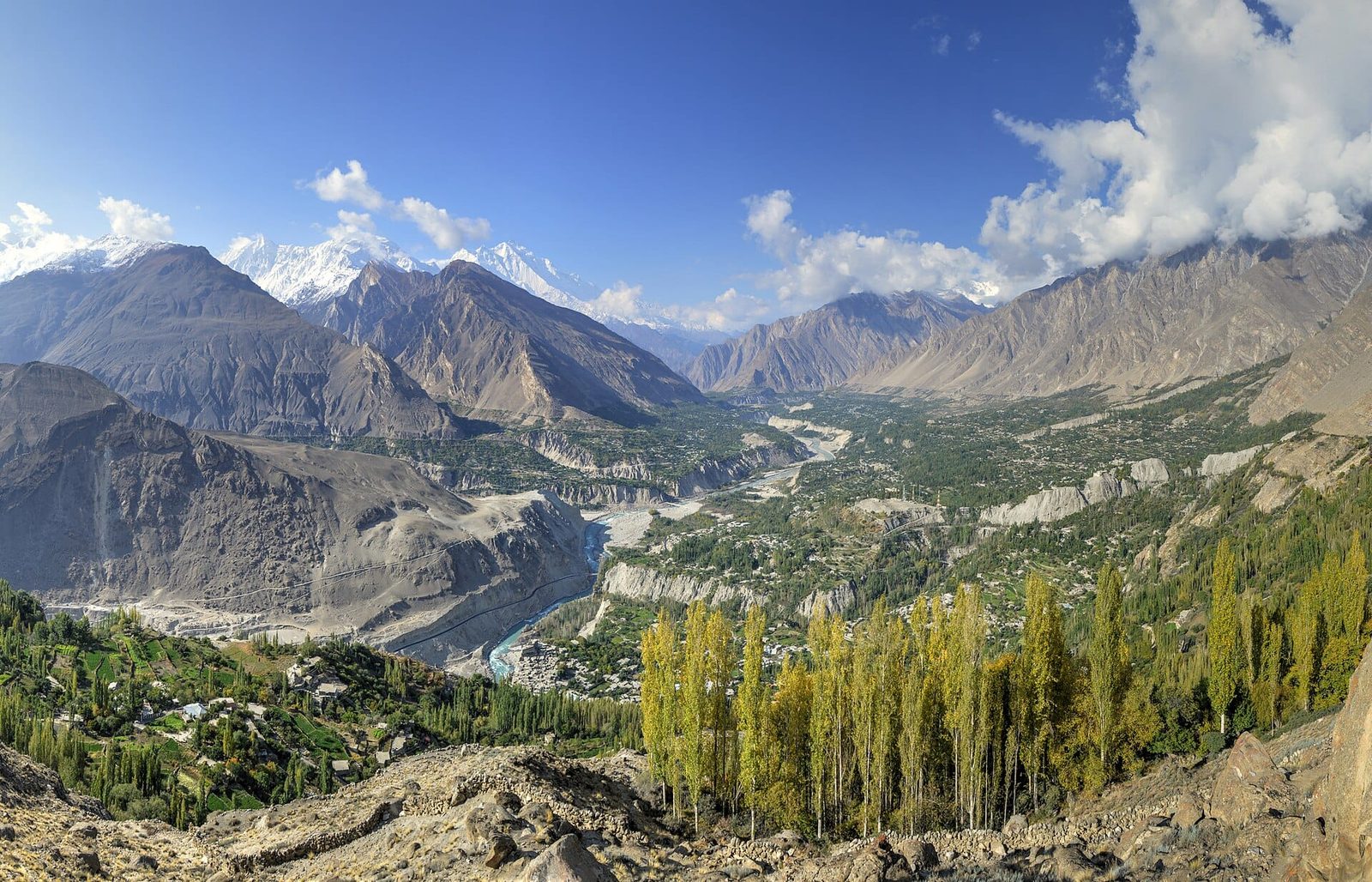
Here is the short version, because it surprises people: Gilgit-Baltistan — home of K2, Hunza and Skardu — is not on the UK Foreign Office's "advises against travel" list, and it is not in the US State Department's "Do Not Travel" areas. The scary headlines most travellers half-remember are about other parts of the country, far from the mountains you are coming to see. Meanwhile the world's travel press keeps putting northern Pakistan on its wish lists. This page gives you the confident, honest picture — and the official links at the bottom, if you want to read the fine print yourself.
What the advisories actually say about Gilgit-Baltistan
Travel advisories rate regions, not just countries, and the region rating is the one that matters. On our reading of both pages:
- The UK FCDO does not list Gilgit-Baltistan among the areas it advises against. Its Gilgit-Baltistan notes are practical travel admin: mountain flights can change with weather, the Babusar Pass closes in snow, foreign visitors register with local authorities, and treks above 6,000 m need a permit — which your tour operator handles.
- The US State Department names three areas at its strongest level, and Gilgit-Baltistan is not one of them. The region sits under the same general country advice as Islamabad or Lahore.
In other words: read past the headline, and the mountains come out fine.
What travellers and world media say
- The Telegraph (UK) named Pakistan among the world's most unique travel destinations for 2026, singling out the Karakoram's 25,000-foot peaks, the Hunza Valley and the Karakoram Highway.
- TIME magazine's "World's Greatest Places of 2026" featured a hotel in Hunza, Gilgit-Baltistan.
- Condé Nast Traveller named Pakistan its top holiday destination for 2020, and the British Backpacker Society ranked it the world's best adventure travel destination in 2018.
That is not a region the world is warning people away from. It is a region the world keeps discovering.
What it feels like on the ground
The tourist valleys of Gilgit-Baltistan — Hunza, Skardu, Khaplu, Shigar, the Deosai Plains and the classic trekking routes — have hosted international mountaineers and travellers for decades with an excellent safety record. Incidents affecting tourists are exceptionally rare, and the thing our guests mention most in reviews is not the scenery — it is the people. Hospitality here is a matter of personal honour: travellers are invited to tea by strangers, waved through villages, looked after. Solo travellers and women consistently report feeling welcome; our guide for women and solo female travellers covers the practical details.
Every Karakoram Venture trip runs with local Balti and Hunzai guides who live here year-round, know every road and every weather window, and handle registrations and permits for you.
Two practical notes (the honest part)
- Fly in. Most of our itineraries fly Islamabad–Skardu, which is faster, spectacular, and skips the long road sections of other provinces that the advisories do flag. Our North Pakistan Tour flies to Skardu on day 2.
- Insurance. Buy a policy that matches your itinerary and activities, and get the confirmation in writing — our high-altitude insurance guide explains what to look for. Standard tours need only standard travel insurance with medical cover.
Ready to see it yourself? The 10-day North Pakistan Tour is from $1,250 per person in a group of seven to ten, with the Skardu flight, private transport, hotels and local guides, and a deposit of just 10% (minimum $50). Plan from our Pakistan travel and Gilgit-Baltistan hubs.
Frequently asked questions
Is Gilgit-Baltistan under a "do not travel" warning?
No. On 8 November 2026, Gilgit-Baltistan was not on the UK FCDO's "advises against travel" list and not in the US "Do Not Travel" areas.
Is it safe to visit Hunza and Skardu?
The tourist valleys have an excellent long record with international visitors, and both the UK and US treat the region far more mildly than the headlines suggest. Read our honest safety guide for the full picture.
Do I need a special permit?
Not for standard tours — a normal tourist visa is all you need, and we handle local registration. Treks above 6,000 m need a permit, which we arrange.
Where can I read the official advice?
The links are below. Check your own government's page in the week you travel, since advice can change.
For the record, the official advisory pages (as read on 8 November 2026): UK FCDO Pakistan travel advice · US State Department Pakistan Travel Advisory. Always check the live pages before you book.
Written by Zulfiqar Ali, founder of Karakoram Venture.