
 EN
 العربية
 Deutsch
 Español
 Français
 Italiano
 Polski
 Русский
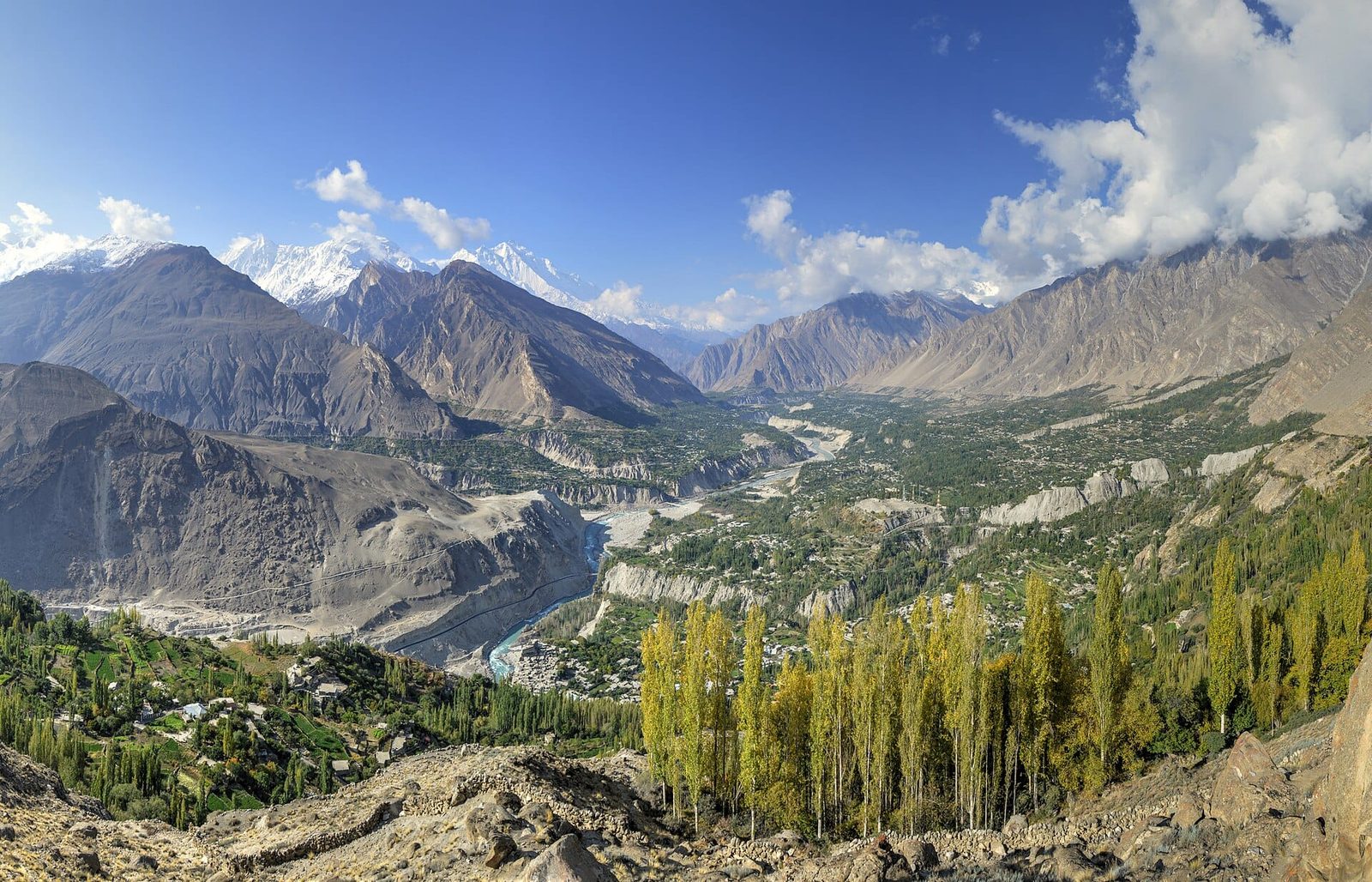
Yes, women can travel in Pakistan safely with sensible planning, and many do, alone and in groups. The northern mountain regions of Gilgit-Baltistan, such as Hunza and Skardu, are the usual starting point. Pakistan is a conservative country, so the main adjustments are about dress, transport and attention in public. This guide covers the practical side, from a local team that plans tours and treks in the north.
Key Takeaways
- Where to start: the northern valleys, Hunza and Skardu, which see many foreign visitors.
- What to wear: loose clothes that cover arms and legs; carry a scarf for mosques and conservative areas.
- Getting around: a private driver or a local operator is simpler than public transport for a first trip.
- Before you go: check your government's travel advice, buy travel insurance and share your itinerary.
- Treks: a private departure gives you your own tent and a dedicated guide.
Is Pakistan safe for women travelling alone?
For most solo women, a well-planned trip to northern Pakistan goes smoothly. The main challenges are cultural: staring, unwanted attention and questions in busy places. Plan as you would for any unfamiliar country.
Safety also depends on where you go. Advice can differ between regions and districts, and it changes, so read your own government's current travel advice for Pakistan before you book. Our honest guide to safety in Pakistan covers the wider picture, and the Pakistan travel hub covers visas, permits and insurance.
What should women wear in Pakistan?
Wear loose, long clothes that cover your arms and legs. Many visitors buy a shalwar kameez, the local tunic and trousers, soon after they arrive. Carry a scarf (dupatta) to cover your head in mosques and shrines and in conservative areas. Tight or short clothes draw attention.
In the mountains, normal trekking clothes are fine on the trail: long trousers and a long-sleeved top. Add a long shirt or light jacket over leggings in villages. Our Karakoram packing list covers trekking gear.
| Situation | What works |
|---|---|
| Cities and bazaars | Long loose tunic or shalwar kameez, trousers, scarf to hand |
| Mosques and shrines | Head covered, arms and legs covered, shoes off |
| Mountain villages | Long shirt or jacket over trousers; ask before photographing people |
| On the trek | Long trekking trousers and a long-sleeved top |
Where is it easiest for women to travel in Pakistan?
The northern valleys are the easiest first trip. Hunza and Skardu are used to visitors, with guesthouses and hotels that host foreign travellers every season. Islamabad is the usual arrival city. Busier lowland cities need more confidence and local help.
Hunza works well for a first visit: Karimabad, the forts, Attabad Lake and the Karakoram Highway, all within short drives. Skardu is the base for Deosai, Shigar and Khaplu, and for the K2 treks. Read our Hunza vs Skardu guide to choose, or see the Hunza Valley hub.
How should women get around in Pakistan?
A private car and driver, arranged through your hotel or a licensed operator, is the simplest choice for a first trip. On flights and buses, ask to sit next to another woman or a family; this is a normal request. Avoid long road journeys after dark.
The flight from Islamabad to Skardu saves a long drive when the weather allows. Our guide on how to get to Skardu compares flight and road. In restaurants and some queues you may find separate family or women's sections, which you are welcome to use.
Practical safety tips for women in Pakistan
- Share your plans. Leave your itinerary and hotel details with someone at home and with your hotel.
- Get a local SIM card on arrival so you can call your driver, hotel or operator.
- Use licensed guides and operators. Gilgit-Baltistan requires licensed guides for trekking and mountaineering.
- Trust your judgement. It is fine to refuse conversations, photos or invitations politely.
- Buy travel insurance. It is recommended for every tour and mandatory on high-altitude treks; read our insurance guide.
- Carry copies of your passport and visa; checkposts in the north may ask for them.
Do women need a different visa for Pakistan?
No. Women use the same visas as men. Most visitors use the tourist e-visa. Restricted-zone treks such as the Baltoro and mountaineering expeditions need the Trekking and Mountaineering visa. Fees depend on your nationality, so check visa.nadra.gov.pk.
Our Pakistan visa guide explains which visa fits which trip and how to apply.
Can women trek in Pakistan?
Yes. Women can and do trek the Baltoro to K2 Base Camp, cross the Gondogoro La and walk the Hunza trails. On a private departure you have your own tent and a dedicated guide, and you can tell us your preferences before the trip starts.
The trekking season runs from April to September. For a first trek, start with something shorter than the Baltoro; our trekking in Pakistan hub grades the main routes.
What does a private tour cost?
A private trip costs more per person than a group, because you do not share the guide and vehicle. These are our 2027 prices for two popular northern tours.
| Tour 2027 | Days | Solo (private) | Group of 7–10 |
|---|---|---|---|
| Hunza Autumn Tour | 7 | US$1,800 | US$900 per person |
| North Pakistan Tour | 10 | US$2,200 | US$1,250 per person |
A deposit of 10% (minimum US$50) confirms the booking. The balance is due two weeks before arrival or on arrival in Islamabad.
Travelling alone? Start with Hunza
Our Hunza Autumn Tour is 7 days in the Hunza Valley with a dedicated guide and vehicle on the private option. For a longer first visit, the North Pakistan Tour covers 10 days across the north.
Frequently asked questions
Is Pakistan safe for women travelling alone?
With good planning, most solo women have a smooth trip, especially in the northern valleys of Hunza and Skardu. Expect attention in busy places, dress modestly, and check your government's current travel advice before you book.
What should a woman wear in Pakistan?
Loose, long clothes that cover the arms and legs, such as a shalwar kameez or a long tunic over trousers. Carry a scarf to cover your head in mosques, shrines and conservative areas.
Do women have to cover their hair in Pakistan?
Not in general, but you should cover your head in mosques and shrines, and many visitors keep a scarf to hand for conservative areas.
Where is the best place in Pakistan for solo female travel?
The northern valleys of Gilgit-Baltistan, especially Hunza and Skardu, are the easiest start. They host foreign visitors every season and are the base for most tours and treks.
Can a woman trek to K2 Base Camp?
Yes. Women can and do trek the Baltoro to K2 Base Camp. It is a demanding, high-altitude trek, so insurance is mandatory, and you need the Trekking and Mountaineering visa for this restricted zone.
Do women need a different visa for Pakistan?
No. Women use the same visas as men: the tourist e-visa for most trips, and the Trekking and Mountaineering visa for restricted-zone treks and expeditions.
Written by Zulfiqar Ali, founder of Karakoram Venture, with the Skardu team that plans our tours and treks in northern Pakistan. Reviewed in November 2026.