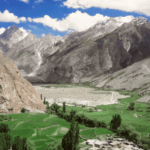
Winter climbing in the Karakoram means roughly December, January and February, and it is a different mountain range from the one trekkers see in July. K2 (8,611 m) was first climbed in winter on 16 January 2021, by a team of ten Nepali climbers — the summit temperature was around −40 °C. All five of Pakistan’s eight-thousanders now have winter first ascents, and every one of them took years of failed attempts to get there. For everyone who is not on a national-level expedition, the honest answer is this: the high glacier treks are shut in winter, but Skardu, the Shigar and Khaplu valleys and the cold desert stay open, and they are quieter and harder-edged than at any other time of year.
We run our expeditions and treks out of Skardu with our own Balti team, and we will be straight with you about this one. A winter 8,000 m attempt in the Karakoram is not a product you buy off a page — it is a serious, expensive, low-odds undertaking that a handful of climbers on earth are ready for, and several of the best have not come home from it. One of them, Muhammad Ali Sadpara, was from Sadpara village just above Skardu. So this guide does two things: it tells you truthfully what winter climbing here involves, and it tells you what winter travel in Baltistan actually looks like if you want the mountains in their coldest, clearest season without putting yourself in the death zone.
Key takeaways
- Winter season: roughly December to February, with the coldest, most stable-looking windows usually in January and February.
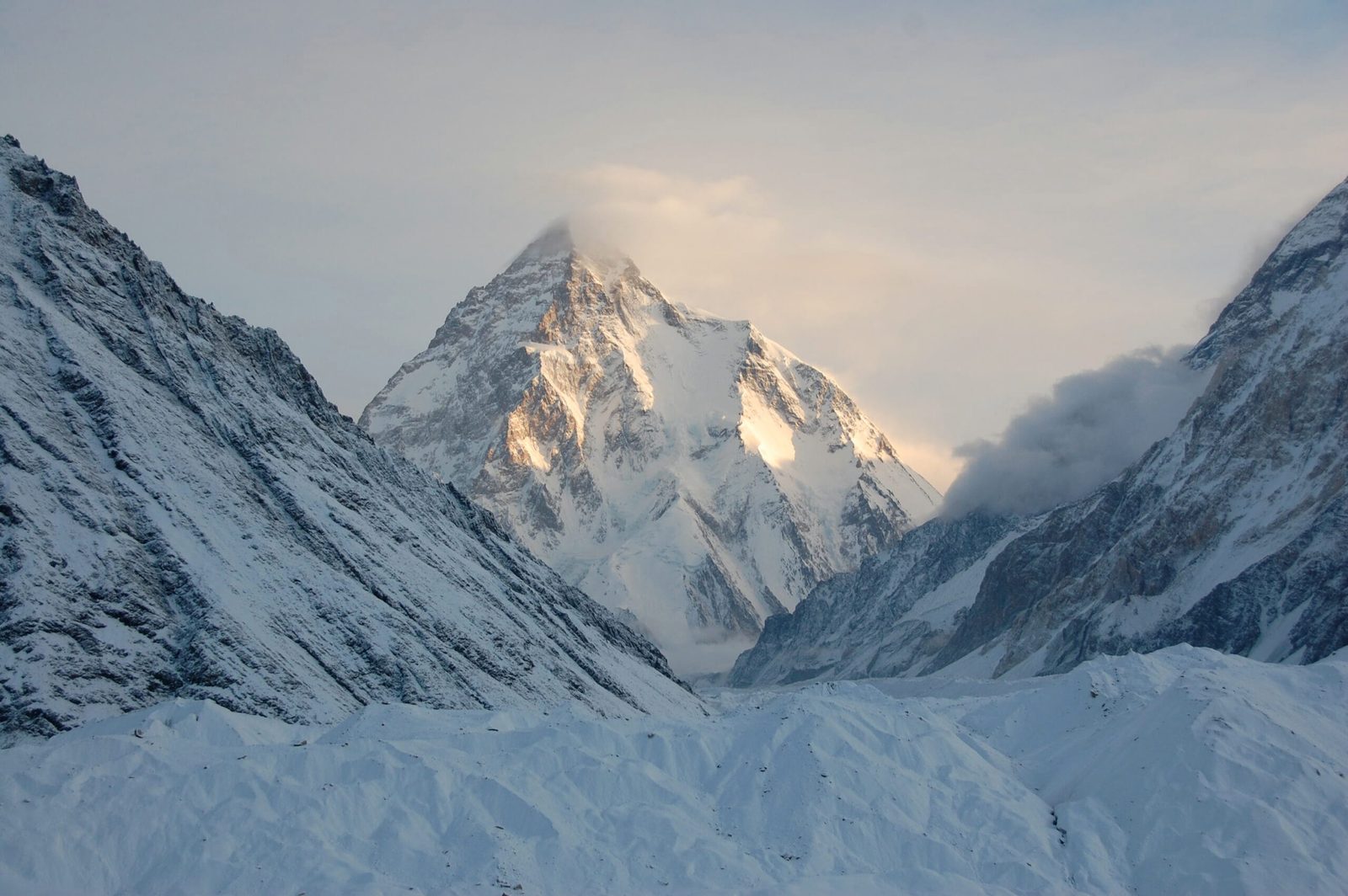
- K2 in winter: first winter ascent 16 January 2021 by ten Nepali climbers led by Mingma Gyalje Sherpa and Nirmal Purja; summit temperature around −40 °C. Purja climbed without supplementary oxygen.
- All five done: Gasherbrum II (2011), Gasherbrum I (2012), Broad Peak (2013), Nanga Parbat (2016), K2 (2021).
- The cost: Broad Peak’s first winter ascent ended with Maciej Berbeka and Tomasz Kowalski lost on the descent. In February 2021 Ali Sadpara, John Snorri Sigurjónsson and Juan Pablo Mohr died high on K2.
- Trekking in winter: Baltoro, Concordia, Gondogoro La and Deosai are not winter propositions — snow, cold and no rescue margin.
- Skardu in winter: a cold semi-arid valley that drops below −10 °C in December and January; the lowest figure on record is −24.1 °C on 7 January 1995.
Why winter in the Karakoram is its own category
The Karakoram sits further north than the Nepal Himalaya, roughly 35–36°N, and that latitude shows up in the numbers. Winter days are short, the sun is low and weak, and the cold is dry and deep rather than damp. Add the jet stream, which drops onto the high summits through midwinter, and you get the combination that kept K2 unclimbed in winter for over thirty years after winter ascents began on other eight-thousanders: temperatures in the −40s at altitude, and wind that can strip a camp off the mountain overnight.
There is a second difference that matters just as much, and it is logistical rather than meteorological. In summer, the Baltoro Glacier carries a steady traffic of expeditions, porters and trekkers, and there is a functioning chain of camps, helicopter access and other teams who can help. In winter, that chain does not exist. The valley empties. You are operating in a place where the nearest useful help may be days away, not hours.
The five winter firsts — what it actually took
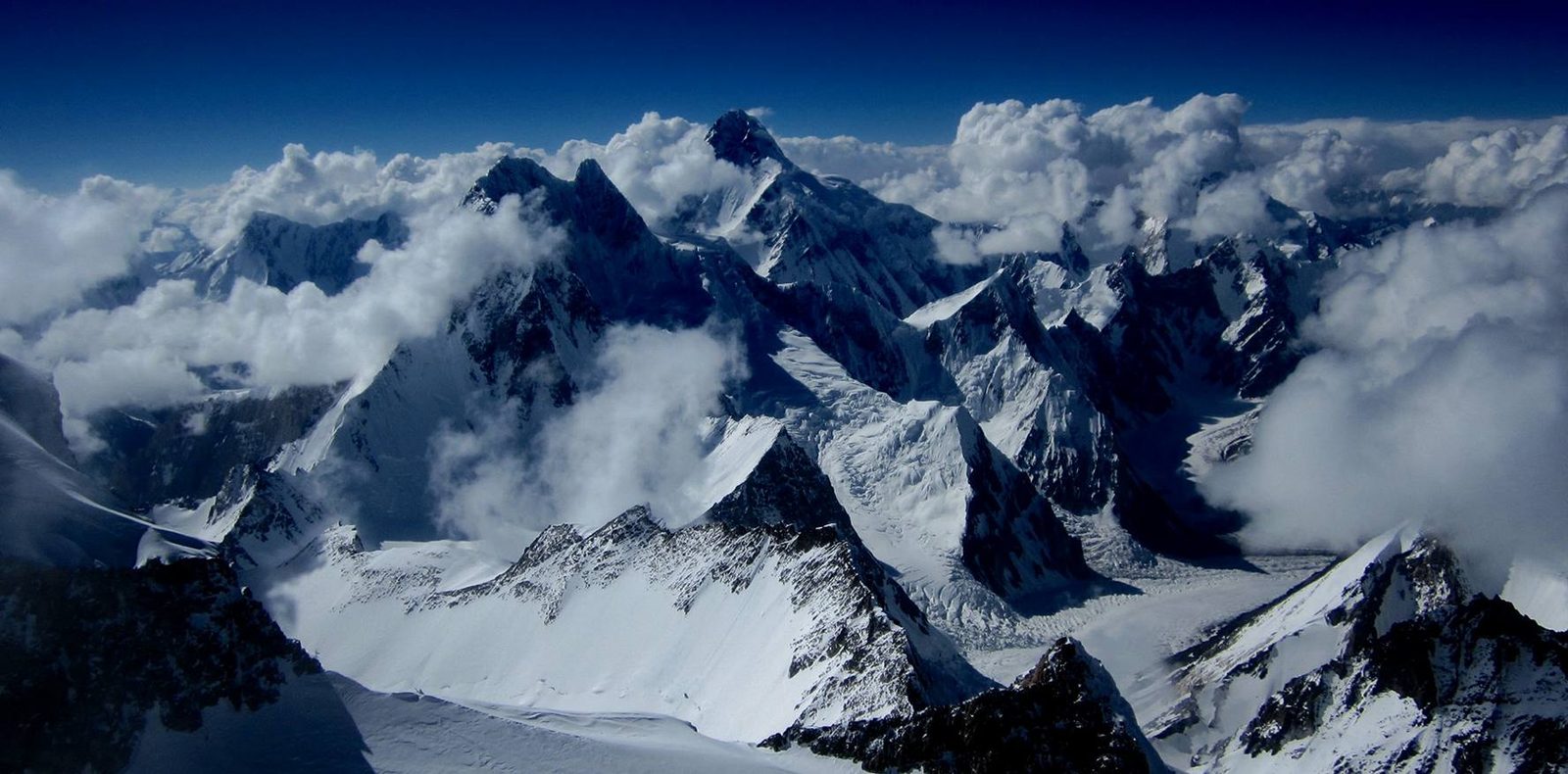
Pakistan has five eight-thousanders: K2 (8,611 m), Nanga Parbat (8,126 m), Gasherbrum I (8,080 m) and Gasherbrum II (8,035 m), and Broad Peak (8,051 m). All five have now been climbed in winter, and the order tells you something about difficulty:
- Gasherbrum II — 2 February 2011. Simone Moro, Denis Urubko and Cory Richards, without supplementary oxygen and without porters above base camp, after surviving an avalanche.
- Gasherbrum I — 9 March 2012. Adam Bielecki and Janusz Gołąb of Poland, also without supplementary oxygen.
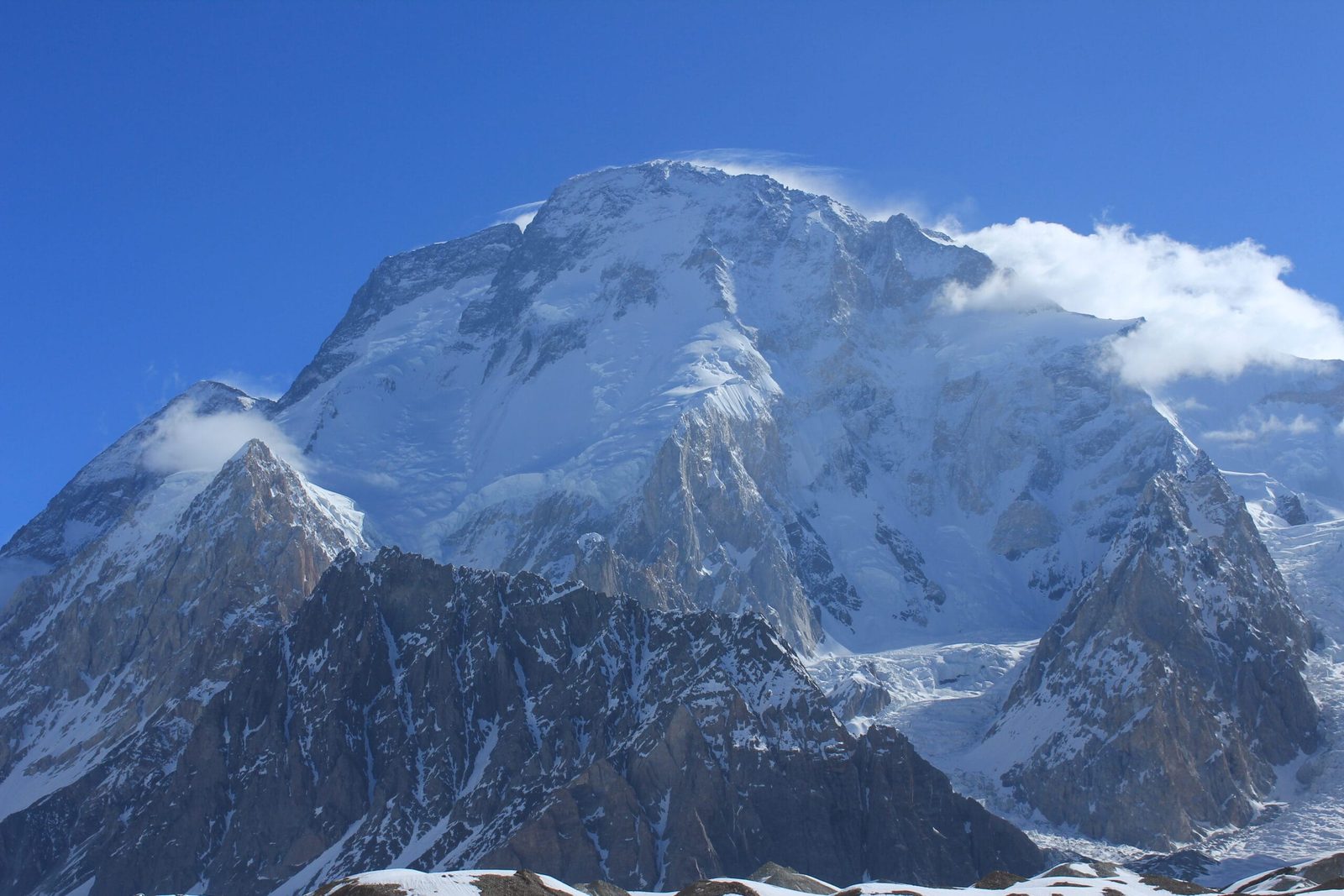
- Broad Peak — 5 March 2013. Maciej Berbeka, Adam Bielecki, Tomasz Kowalski and Artur Małek summited without oxygen. Berbeka and Kowalski went missing on the descent the following day and were declared dead.
- Nanga Parbat — February 2016. Simone Moro, Alex Txikon and Muhammad Ali Sadpara — a Balti climber from Sadpara, just above Skardu.
- K2 — 16 January 2021. Ten Nepali climbers summited together: Mingma Gyalje Sherpa, Nirmal Purja, Gelje Sherpa, Mingma David Sherpa, Mingma Tenzi Sherpa, Dawa Temba Sherpa, Pem Chhiri Sherpa, Kilu Pemba Sherpa, Dawa Tenjing Sherpa and Sona Sherpa.
The winter attempts before 2021
Before 2021, K2 had absorbed a long line of serious winter attempts — a Polish team in 1987–88, the 2002–03 Polish winter expedition led by Krzysztof Wielicki, and the 2017–18 Polish National Winter Expedition, which reached around 7,400 m on the Abruzzi Spur and about 6,300 m on the Cesen route before turning back. That is the pattern of winter here: years of effort, then one narrow window.
What a winter expedition on the Baltoro actually involves
This is the shape of a winter attempt on K2 or Broad Peak. Read it as a description, not a sales pitch — the difference between this and a summer expedition is not a few extra layers, it is a different order of commitment.
- Islamabad, then Skardu. Flights to Skardu are quick when the weather allows and cancelled when it does not; winter teams plan buffer days or take the road. See getting to Skardu.
- Skardu to Askole by 4×4 jeep — roughly 7–9 hours in good summer conditions, and dependent on snow and rockfall in winter. This is where local knowledge stops being a nice-to-have.
- Walk in to base camp. In summer the Askole–Concordia–base camp walk takes about a week; a winter team plans for longer, with heavier loads, deep snow, short daylight and no other traffic on the glacier.
- Establish base camp for a long stay. Winter base camps are built to survive storms measured in weeks, not days, with fuel, food and communications for the whole siege.
- Fix the route in stages. Camps go up, get destroyed by wind, get rebuilt. Climbers rotate up and down to acclimatise, and most of the expedition is spent waiting.
- One summit window — maybe. Teams wait for a break in the jet-stream winds. On most winter expeditions it never comes, and the correct decision is to go home.
From Askole to base camp in winter
The real risk, stated plainly
Winter at altitude in the Karakoram is a frostbite and hypothermia environment first and a climbing environment second. Helicopter rescue depends on weather and ceiling, and in winter both go against you — in February 2021, helicopters searching for the missing climbers on K2 flew to around 7,000 m and found nothing. Every expedition we run carries a satellite phone, and we work with established helicopter-rescue contacts for the Baltoro region and insist on evacuation-capable insurance before anyone walks in. That is the plan, and we will tell you honestly where its limits are rather than pretend a rescue is always available. Read our insurance guide and our acclimatisation guide before you commit to anything high here, in any season.
When to go: the Karakoram month by month
| Months | Conditions | Verdict |
|---|---|---|
| December – February | Deep cold, short days, jet-stream winds high up. Baltoro and Deosai snowbound. Skardu below −10 °C at times; flights often cancelled. | Winter 8,000 m attempts only — plus low-altitude Skardu, Shigar and Khaplu travel for everyone else. |
| March – April | Cold easing, snow still deep on the glaciers. Blossom begins lower down in the valleys from late March. | Good for valley and cultural travel; too early for the high glacier treks. |
| May | Expedition teams start moving in; snow melting on the approach, high passes still loaded. | Start of the expedition season; early-season trekking with a margin for weather. |
| June – August | Peak season. Warmest, longest days, glaciers busy, Deosai open. | Best window for K2 Base Camp, Gondogoro La and 8,000 m climbing. |
| September – October | Cooling, clear air, autumn colour, fewer people. Passes close as the month goes on. | Excellent for trekking and photography; book the earlier half for high routes. |
| November | Cold arrives, high camps shut down, Deosai closing with snow. | Valley travel only — the mountains are handing the season back. |
For the fuller picture across the region, see the best time to visit Gilgit-Baltistan and the climbing season on the Baltoro.

How hard is it, honestly?
For climbers
A winter eight-thousander in the Karakoram sits at the top end of what is done in mountaineering. It asks for prior 8,000 m experience, winter high-altitude experience, tolerance for weeks of waiting in extreme cold, and the discipline to turn around — the Broad Peak and K2 histories above are both about descents, not summits. If you have not climbed above 7,000 m before, this is not the next step; Spantik in summer is.
For trekkers
Blunt version: the classic Karakoram treks are closed in winter, and we will not sell you one. Deep snow on the Baltoro, a frozen and unstable glacier surface, temperatures that punish any equipment failure and a rescue window that may not open for days — there is no version of that which is a good holiday. Come in summer for K2 Base Camp or Gondogoro La.
For travellers who want winter Baltistan
This part is real, and good. Skardu in winter is a cold, bright, emptied-out valley: frozen lake edges at Kachura, dunes under snow in the Sarfaranga cold desert, wood smoke in the bazaar, and the heritage of Shigar and Khaplu without a single tour bus. It is cold, some roads close after snowfall, and flights are unreliable — build in buffer days and it works.
What is closed: Deosai is snowbound and its passes shut through winter, and the brown bears are in any case hibernating. Anything on the high glaciers is off the table.
Permits, zones and visas
Trekking in open zones and climbing a named peak are two different permissions. Mountaineering on peaks such as K2, Broad Peak, the Gasherbrums and Nanga Parbat requires a government mountaineering permit with royalty and a liaison officer, arranged in advance, and some areas are restricted zones needing extra clearance — we handle this paperwork for our climbing teams rather than leaving you to guess at it. Separately, you need the correct visa: expeditions and treks are handled under Pakistan’s Trekking and Mountaineering visa category, not a plain tourist visa. Our Pakistan visa guide for trekkers walks through it. Permit rules and fees are set by the authorities and do change — ask us for the current position for your peak and dates rather than trusting a number on any website.
Getting there, and what it costs
Everything starts in Skardu. Islamabad to Skardu is a short flight when the weather cooperates and a long, spectacular road journey when it does not — in winter, assume you may need the road and keep spare days either side. From Skardu, jeeps run up the Shigar valley to Askole for the Baltoro, and out east to Khaplu and Hushe. In winter, road status changes with each snowfall, which is exactly the situation where having your own local team beats having a booking confirmation from an agent in another city.
On price: we keep pricing personal rather than posting a number that goes stale, because a winter expedition, a summer expedition and a five-day Skardu winter circuit are not remotely the same job. Tell us the peak or the route, your dates and your group size, and we will quote it properly — fair price, no corners cut on guides, food, fuel or safety equipment. We are a local Balti team in Skardu, not a broker passing you to someone else’s outfit.
Frequently asked questions
Has K2 been climbed in winter?
Yes. The first winter ascent of K2 was on 16 January 2021, by a team of ten Nepali climbers led by Mingma Gyalje Sherpa and Nirmal Purja, who summited together. The summit temperature was around −40 °C, and Purja climbed without supplementary oxygen. K2 was the last of the world’s fourteen eight-thousanders to receive a winter ascent.
Can I trek to K2 Base Camp in winter?
Not as a normal trekking trip, and we do not offer it. The Baltoro in winter means deep snow, a hard and unstable glacier surface, very short daylight, extreme cold and a rescue window that can stay shut for days. The K2 Base Camp trek is a summer route — roughly June to September for most groups.
Which of Pakistan’s eight-thousanders have winter ascents?
All five. Gasherbrum II on 2 February 2011 (Moro, Urubko, Richards); Gasherbrum I on 9 March 2012 (Bielecki, Gołąb); Broad Peak on 5 March 2013 (Berbeka, Bielecki, Kowalski, Małek); Nanga Parbat in February 2016 (Moro, Txikon, Ali Sadpara); and K2 on 16 January 2021.
How cold does Skardu get in winter?
Skardu has a cold semi-arid climate and temperatures drop below −10 °C during the December-to-January midwinter period. The lowest temperature on record there is −24.1 °C, on 7 January 1995. Up on the glaciers and at altitude it is far colder again.
Is Deosai National Park open in winter?
No. Deosai is snowbound through winter and its access passes are closed, and the brown bears are hibernating. For winter travel we keep to the Skardu valley, Shigar, Khaplu, the cold desert and the lower lakes, and save Deosai for roughly late June to September.
Talk to the team in Skardu
Planning a winter expedition, a summer 8,000 m climb, or a winter week in Baltistan? Tell us the peak or route, your dates and your group size, and we will give you a straight answer — including when the answer is “not in that season”.
WhatsApp: +92 312 9921574 · Email: info@karakoramventure.com
You will be talking to a local Balti team based in Skardu, not a broker — our own guides, our own logistics, a satellite phone on every expedition and a real evacuation plan. Local hands, real safety, fair price.
Sources & attribution: heights, first winter ascent dates and expedition history from Wikipedia entries for K2, Nanga Parbat, Gasherbrum I, Gasherbrum II, Broad Peak, the 2021 K2 disaster, Krzysztof Wielicki, Adam Bielecki and Skardu; summit temperature and team composition for the 2021 winter ascent from the K2 and Nirmal Purja entries. Images: K2 — Maria Ly, CC BY 2.0; Nanga Parbat from Fairy Meadows — Usmanato360, CC BY-SA 4.0; Broad Peak from Concordia — Sallahuddin shah, CC BY-SA 4.0; Broad Peak and K2 from Gasherbrum II — Syed Hasan Shabbar, CC BY-SA 4.0 — all via Wikimedia Commons. Altitudes are the commonly cited approximate figures; permit rules, fees and flight schedules change, so confirm current details with us before booking.