
 EN
 العربية
 Deutsch
 Español
 Français
 Italiano
 Polski
 Русский
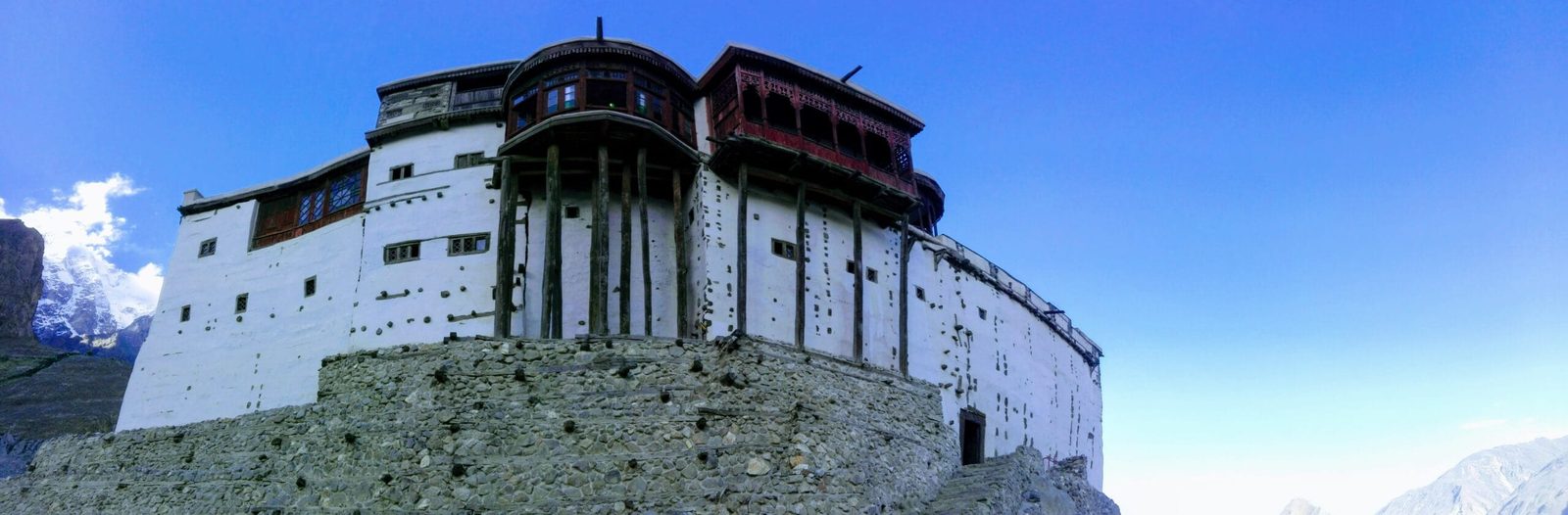
The best places to visit in northern Pakistan are in Gilgit-Baltistan, with one great exception in the hills near Islamabad. This is our ranked list of 15, written by a team that lives in Skardu and walks these valleys every season. Each entry says why it earns its place, when to go and which of our trips covers it, with a link to the guide or hub where we say more.
First, how we ranked. This is a judgement call, not a statistic. We weighed how much a place rewards a first-time visitor, how easy it is to reach, and how well it shows what the north is like. We used no visitor numbers, because we do not have reliable ones. If you disagree with the order, we would like to hear it. You can start from our Pakistan tours hub if you prefer to browse trips first.
Where is northern Pakistan, and what does it include?
Most of what people mean by "the north" is Gilgit-Baltistan, a mountain region that holds the Karakoram, the western Himalaya and the eastern edge of the Hindu Kush, with Hunza and Skardu as its two best-known bases. Our Gilgit-Baltistan hub covers the region as a whole. The Kaghan Valley and Naran, at the other end of this list, are in Khyber Pakhtunkhwa, a day's drive from Islamabad.
A note on safety before you plan. The UK Foreign Office advises against all travel to some districts of Khyber Pakhtunkhwa and to the Karakoram Highway between Mansehra and Chilas, per the pages our other guides read on 8 November 2026. That is why we fly most guests into Skardu or Gilgit, why we do not rank Swat, and why we say so in each entry where it matters. Read our honest guide to whether Pakistan is safe and check the live advice from your own government.
The 15 best places to visit in northern Pakistan
1. Hunza Valley: Karimabad and the forts
If you can see only one place in the north, make it Hunza. Karimabad, the district capital, sits on terraces at about 2,500 m on the western bank of the Hunza River, opposite Nagar. Above it stands Baltit Fort, on the UNESCO World Heritage Tentative list since 2004, whose conservation work indicated that the core structures date to the 8th century CE. Our Baltit and Altit guide walks you through both forts, and the Hunza Valley hub explains the wider valley. Best time: April to October, with spring blossom and autumn colour the favourites. Covered by: the Hunza Valley Tour Package (7 days), the Skardu & Hunza Tour and the North Pakistan Tour.
2. Fairy Meadows: Nanga Parbat from a meadow
The most dramatic mountain view you can reach on foot in a day. Fairy Meadows is a grassland at about 3,300 m near a base camp site of Nanga Parbat, which Wikipedia calls the ninth-highest mountain on Earth. The way in is a narrow jeep road from Raikot Bridge to the village of Tattu, followed by a three-to-four-hour walk. What you see, as Wikipedia notes, is the North Peak (7,816 m); the true summit stays hidden. Read our Fairy Meadows guide before you go. Best time: May to October. Covered by: the 6-day Fairy Meadows Trek, the 9-day Fairy Meadows and Nanga Parbat Base Camp Trek and the 12-day Nanga Parbat and Rakaposhi trek.
3. Deosai National Park: the roof plateau
A high plain that feels like another planet. The Deosai Plains average about 4,114 m above sea level, between Skardu and Astore districts. The name comes from two Shina words, "giant" and "shadow", so "land of the giant", and the Balti name means "summer's place" because it is accessible only in summer. Our Deosai guide covers Sheosar Lake and the brown bears. Best time: summer; our bear-watching safari runs July and August. Covered by: a Deosai day in the Skardu Tour Package and the North Pakistan Tour, plus the Deosai Brown Bear Watching Safari.
4. Attabad Lake: the turquoise accident
A lake that exists because of a disaster, and is now one of Hunza's best-loved sights. It formed in January 2010 when a landslide dammed the Hunza River at Attabad village, and the slide killed twenty people. It now offers boating and other activities and sits in the Gojal region. Our Attabad Lake guide gives the full story. Best time: the lake is visited year-round; our tours run April to October. Covered by: the Hunza Valley Tour Package (Gojal day), the Skardu & Hunza Tour and the Karakoram Highway Tour.
5. Skardu and the Kachura Lakes: the gateway
Skardu is the capital of Baltistan, at about 2,500 m where the Indus and Shigar rivers meet, and the gateway to the eight-thousanders. Close to town are the Kachura Lakes. Upper Kachura is a clear lake about 70 m deep, and Lower Kachura is Shangrila, inside the resort about 20 km out. The Skardu hub and the Kachura Lakes guide have the detail. Best time: April to October. Covered by: the 6-day Skardu Tour Package (Kachura on day 4) and the Skardu Luxury Tour.
6. Khunjerab Pass: the road to China
The highest paved border crossing on the Karakoram Highway. Khunjerab Pass sits at 4,693 m on the Pakistan-China border, and the highway's highest elevation is about 4,714 m near it. The highway itself runs about 1,300 km from Hasan Abdal to the pass. Our Khunjerab guide covers the park and the pass. Best time: summer, when the road is clear. Covered by: the Khunjerab Pass day tour, the Hunza Valley Tour Package (day 5) and the Karakoram Highway Tour. Crossing into China is not part of these trips.
7. Concordia: the Throne Room of the Mountain Gods
A place for the walker, not the sightseer. Concordia is the meeting point of the Baltoro and Godwin-Austen glaciers at 4,691 m, used as a base camp for K2 expeditions and popular with trekkers. The K2 Base Camp Trek Classic page says you are surrounded by K2, Broad Peak, and Gasherbrum I and II. Our Concordia guide explains the name and the view. Best time: June to September. Covered by: the K2 Base Camp Trek Classic (21 days) and Light (15 days). It needs a Trekking and Mountaineering visa, a permit and an NOC.
8. The Passu Cones and Upper Hunza
A saw-toothed skyline you photograph from the road. The Passu Cones (Tupopdan, 6,106 m) rise off the Karakoram Highway about 10 km north of Passu village, with the 57 km Batura Glacier behind them. You do not have to trek to see them. See the Passu Cones guide. Best time: viewpoints open all year; the glacier trek runs roughly June to September. Covered by: the Hunza Valley Tour Package (day 4), the Karakoram Highway Tour (Passu days) and, for a trek, the Batura Glacier Trek.
9. Khaplu: the royal valley
The old royal heart of eastern Baltistan, on the Shyok River about 103 km east of Skardu. Two buildings define it: the restored 1840 Khaplu Palace, now a heritage hotel and museum, and the Chaqchan Mosque, which Wikipedia dates to 1370. Khaplu is also the doorway to Hushe and the peaks of Masherbrum and K6. The Khaplu guide has the details. Best time: roughly May to October on the road in, per our guide. Covered by: the 3-day Khaplu & Hushe Valley Tour, and day 3 of the Skardu & Hunza Tour.
10. Shigar Valley: forts, orchards and the road to K2
A green valley that is also the road to the Baltoro. It stretches about 170 km from Skardu to Askole. Its centrepiece is Shigar Fort, Fong Khar, "the Palace on the Rock", a 17th-century palace about 30 km from Skardu. See the Shigar guide. Best time: apricot blossom in spring and golden poplars in autumn, per our guide. Covered by: day 2 of the Skardu Tour Package (Skardu Tour Package) and every K2 trek, which passes through on the way to Askole.
11. Naran and Lake Saif-ul-Malook
The easiest mountain valley from Islamabad, and the one place on this list you can reach by road in a day. Lake Saif-ul-Malook lies at 3,224 m, about 9 km north of Naran in the Kaghan Valley, and Wikipedia calls it one of the highest lakes in Pakistan. The Kaghan Valley rises from about 650 m to the Babusar Pass at around 4,170 m. It is a summer destination: the lake is accessible from Naran in summer but access in winter is limited. See our Naran Kaghan guide for the Babusar road dates and what the UK Foreign Office says. Best time: May to September. Covered by: the 4-day Naran Kaghan Tour and the 2-day Babusar Pass Road Journey.
12. Sarfaranga Cold Desert: dunes under snow peaks
A strange and cheerful detour. The cold desert near Skardu, also called Katpana, is a high-altitude dune field. Wikipedia puts it at 2,226 m and one of the highest deserts in the world. Our guide describes a half-day 4x4 safari across the dunes with snow-capped 7,000 m peaks on the skyline. See the Sarfaranga guide. Best time: it is visited much of the year; the dunes are covered in snow in winter per Wikipedia. Covered by: day 2 of the Skardu Tour Package and the Sarfaranga Cold Desert Jeep Tour.
13. Naltar Valley: lakes above Gilgit
A forested valley with alpine lakes, 34 km from Gilgit. Wikipedia names three lakes: Strangi, Blue and Bodlok. Our guide calls it Gilgit's easiest alpine escape. See the Naltar guide. Best time: May to October for the lakes. Covered by: the 1-day Naltar Valley and Bashkiri Lakes Jeep Day Tour.
14. Phander Valley and the Shandur Polo Ground
The road trip for people who like polo, lakes and empty roads. Phander, in Ghizer District, is 184 km from Gilgit on the road to Shandur Pass, and has four lakes, of which Phander Lake is the largest. The Shandur Polo Festival is held each year from 7 to 9 July on what Wikipedia calls the world's highest polo ground, about 3,700 m. See our Phander and Shandur guide. Best time: early July for the festival; the route is reliably open June to September per our guide. Covered by: the 8-day Shandur Polo Festival Journey.
15. Astore Valley and Rama Lake: the quiet side of Nanga Parbat
A forest lake at about 3,300 m above Astore town, on the eastern side of Nanga Parbat, reached by an 11 km jeep track and a short walk. Astore also leads to the Rupal side of the mountain, which Wikipedia says has what is often called the highest mountain face in the world, rising 4,600 m. Read our Astore and Rama Lake guide. Best time: June to September. Covered by: the 4-day Astore Valley and Rama Lake Tour, which includes a Rupal Face day.
Which places did we leave off, and why?
Three places people often ask about are not on the ranked list.
Swat and Kumrat. Our own Kumrat guide records that on 8 November 2026 the UK Foreign Office advised against all travel to Upper Dir, Lower Dir and Swat. We run Kumrat and Kalam tours and say so in those guides, but we cannot honestly rank a place a major foreign ministry tells you not to visit.
Neelum Valley. Our 6-day Neelum Valley Tour exists, but parts of the valley sit close to the Line of Control and an AJK travel permit may be required for foreign visitors. There is no Neelum guide yet, so it is not ranked. When one is published, add it here.
Murree and Nathia Gali. Hill stations near Islamabad, covered by our 3-day Murree and Nathia Gali Tour, but they are an Islamabad weekend, not a destination for a trip to the north.
How do you combine these places into a trip?
You cannot see all 15 in one go, and you do not want to. Here are the combinations our own itineraries use.
- The classic loop (Skardu to Hunza): Skardu, Shigar or Khaplu, then Hunza, Attabad and Passu. The Skardu & Hunza Tour is 7 days.
- The grand loop: add Deosai and Khunjerab with the 10-day North Pakistan Tour, which also visits Nagar and Rakaposhi.
- Along the highway: the 12-day Karakoram Highway Tour runs from Islamabad via Besham, Chilas and Gilgit to Hunza and Khunjerab.
- A mountain walk: Fairy Meadows, or the 12-day Nanga Parbat and Rakaposhi trek.
- Summer near Islamabad: Naran Kaghan, four days.
If you cannot decide between Hunza and Skardu, our Hunza vs Skardu guide helps. For treks, see our guide to the best treks in Pakistan. Ask us about any of these on WhatsApp and we will tell you what fits your dates.
What is the best time to visit northern Pakistan?
For the Gilgit-Baltistan places above, our tours run April to October, with the high plateaus and glacier treks June to September. The Deosai and Naran roads are summer roads, and the lakes and passes are not accessible all year. Our Skardu weather guide gives the month-by-month detail.
Frequently asked questions
What are the best places to visit in Pakistan?
For first-time visitors to the north, our top five are Hunza Valley, Fairy Meadows, Deosai National Park, Attabad Lake and Skardu with the Kachura Lakes. See the ranked list above.
What is the most beautiful place in northern Pakistan?
That is a matter of taste. Our pick is Hunza for variety and Fairy Meadows for a single view; our list ranks them first and second for that reason.
Which place is closest to Islamabad?
Naran in the Kaghan Valley is the nearest of the 15, reached by road in a day, according to our Naran guide. Check the live advice for Khyber Pakhtunkhwa first.
Can I visit these places without a special permit?
Most of these are in open zones and need only the tourist e-visa, per our permits guide: Hunza, Skardu, Shigar, Khaplu, Fairy Meadows, Deosai and Naltar. Only Concordia and the Baltoro are restricted.
How many days do I need to see the highlights?
Seven days for Skardu and Hunza, ten days for the loop that adds Deosai and Khunjerab, per our own itineraries.
Is northern Pakistan safe for tourists?
It varies by region. Gilgit-Baltistan is not on the UK Foreign Office's against-all-travel list per the page our guides read on 8 November 2026, but the Karakoram Highway between Mansehra and Chilas is. Read our safety guide.
Written by Zulfiqar Ali, founder of Karakoram Venture. Place facts checked against public sources in November 2026; tour details are our 2027 published pages.